Hair Shear Sizes - What Size Hair Cutting Shears Should You Buy?
Shear length is one of the most misunderstood specs in a working stylist's or barber's kit. Buying by trend or by what a colleague uses often leads to a shear that fights the hand instead of working with it. Length should be matched to three things: your hand size, the cutting techniques you use most, and the setting you work in. This guide walks through each factor so you can land on a size that actually fits your work, rather than guessing.
Why Length Matters More Than It Seems
Hair cutting shears are typically sold in half-inch increments from about 5.0" to 7.0" or slightly longer, measured from tip to the end of the finger handle. That range looks small on paper, but a quarter-inch difference changes leverage, control, and hand fatigue significantly over a full day of appointments. A shear that's too long for your hand forces you to choke up on the blade to control the tip, which reduces cutting power. A shear that's too short can feel twitchy and imprecise for longer strokes, and it limits how much hair you can section into a single cut.
Matching Length to Hand Size
Hand size is the starting point for sizing any shear, since the tool has to sit comfortably in the palm and fingers for hours at a time without straining the thumb joint or wrist. As a general guideline:
- Smaller hands typically pair well with 5.0"-5.5" shears, which keep the tool light and easy to rotate during detail work.
- Medium hands usually land comfortably in the 5.5"-6.0" range, which is the most common size sold and a reasonable starting point if you're unsure.
- Larger hands often do better with 6.0"-7.0" shears, which give more leverage without feeling cramped in the grip.
These ranges are starting points, not hard rules. Finger hole size, handle style (offset, crane, or straight), and how you personally grip the tool all shift where you'll actually feel comfortable within that range. If possible, hold a shear closed and open through a few practice cuts before committing, since a size that feels fine sitting still can feel very different in motion.
Matching Length to Cutting Technique
Technique matters as much as hand size, and it's the factor most stylists underweight when buying a new pair. The two broad categories are blunt cutting and texturizing work like slicing or point cutting, and each favors a different length.
Blunt cutting and precision line work — Cutting straight, clean lines benefits from a slightly longer shear, often in the 6.0"-6.5" range. The extra blade length gives a longer, more consistent cutting line in a single stroke, which reduces the number of individual snips needed to complete a line and keeps the result cleaner.
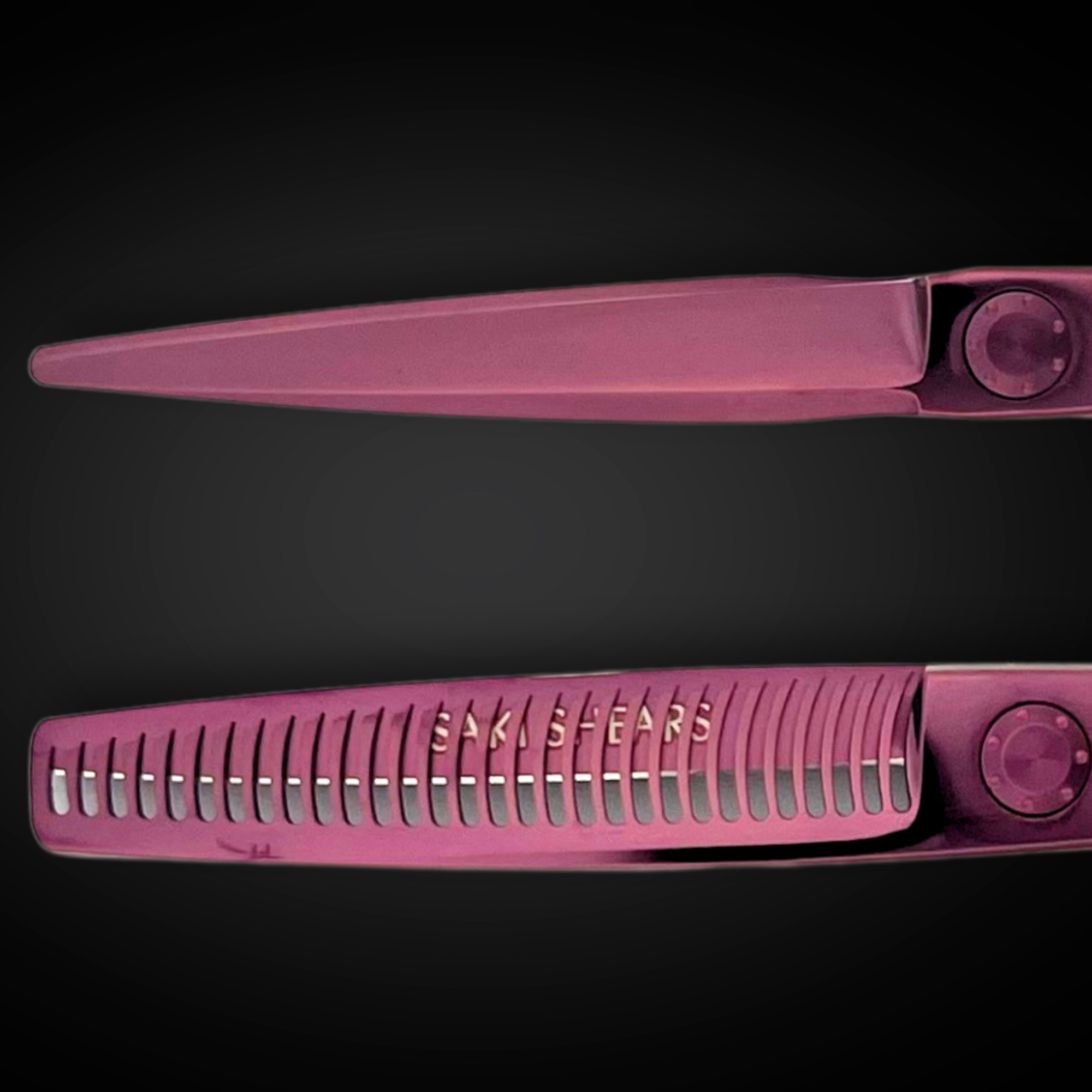
Slicing and point cutting — Texturizing techniques rely on smaller, more controlled movements close to the scalp or through smaller sections, so a shorter shear in the 5.0"-5.5" range is usually easier to maneuver. The reduced blade length makes it simpler to work at odd angles and control exactly how much texture is removed.
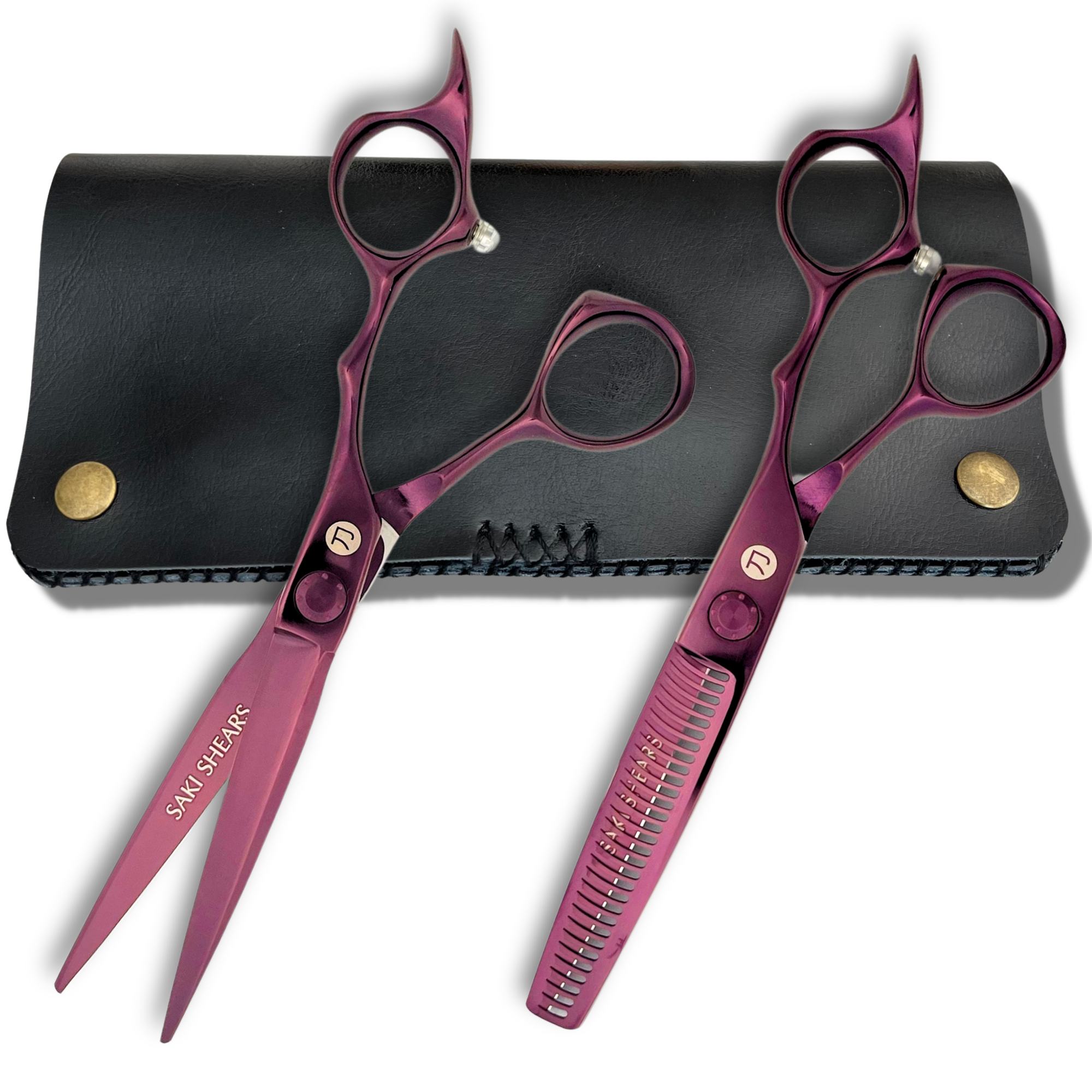
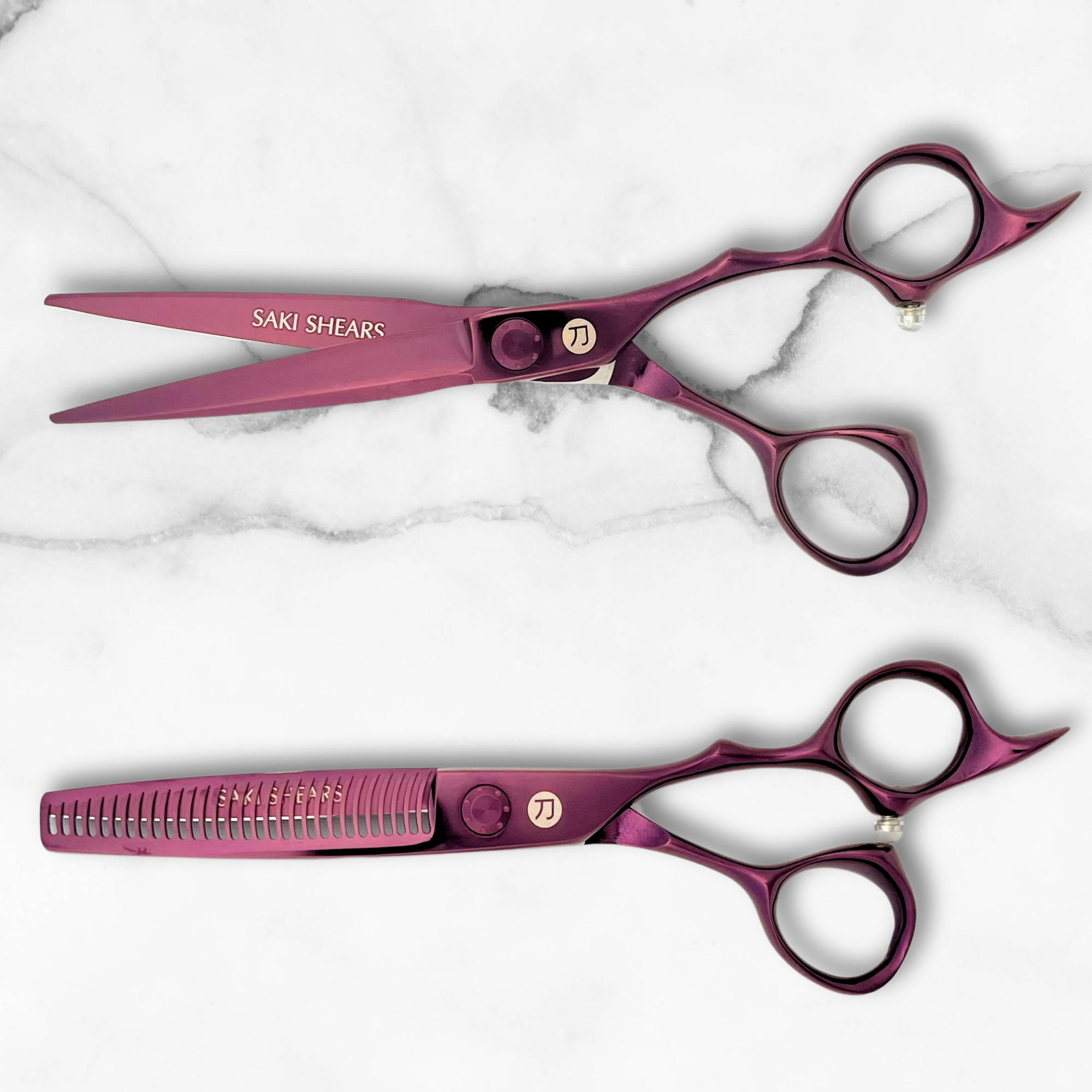
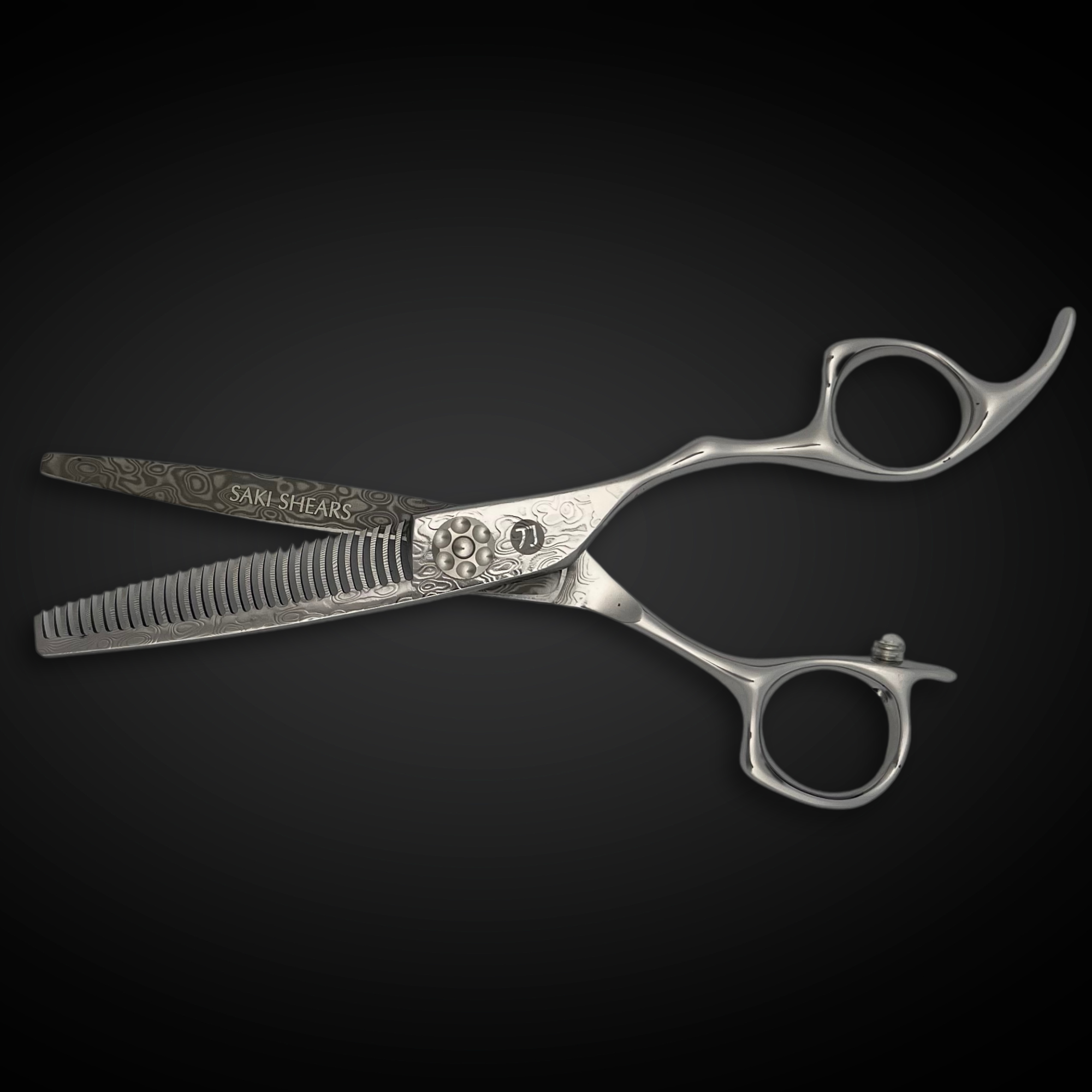
Many working stylists keep two shears in rotation for this reason — a longer pair for blunt work and a shorter pair for texturizing — rather than trying to make one length do both jobs well. For a look at options across sizes, the hair cutting shears collection covers a range of lengths, and the thinning shears and scissors collection is worth checking for texturizing-specific tools.
Barber Work vs. Salon Work
Setting also plays into sizing, mostly because of the different mix of techniques each environment demands. Barbers doing high volumes of clipper-over-comb work, fades, and outlining often favor shorter shears in the 5.0"-5.5" range, since that length pairs naturally with the tight, controlled movements used around the ears, neckline, and part lines. A shorter shear is also easier to switch between quickly alongside clippers and trimmers during a single cut.
Salon stylists doing more blunt cutting, layering, and longer-length work often lean toward 5.75"-6.5" shears, which handle longer cutting strokes across bigger sections of hair more efficiently. Stylists who do a heavier mix of both — barbering-style detail work and traditional salon cutting — sometimes settle in the middle of that range as a practical compromise, or keep a second shear on hand for whichever technique dominates a given day.
Other Factors Worth Weighing
Length isn't the only variable, and it's worth considering alongside a few others before buying:
Weight and balance. Two shears of the same length can feel completely different depending on how the weight is distributed around the pivot. A well-balanced shear will feel more maneuverable through fast cutting motions even at a longer length.
Handle style. Offset and crane handles reduce wrist rotation compared to straight handles, which can make a slightly longer shear feel more manageable than the raw length suggests.
Daily volume. Stylists doing high client volume should weight hand comfort and fatigue more heavily than stylists doing occasional or specialty work, since a marginal fit becomes a real problem after the fortieth cut of the day rather than the fourth.
Choosing With Confidence
There's no single correct shear size — only the size that matches your hand, your technique mix, and the type of work that fills most of your day. Start from the hand-size ranges above, weight that against whether your work leans toward blunt cutting or texturizing, and factor in your setting before making a final call. Many stylists end up building a small rotation of two lengths rather than relying on one shear for every technique, which is a reasonable outcome rather than a sign of indecision. Comparing a few lengths side by side once you've narrowed down a range that fits your hand and technique is the most reliable way to land on the right fit.

Written by Charles Harris