The Barber's Toolkit: Essential Tools for Cutting and Grooming
A working barber's results depend as much on the tools in the kit as on the technique behind them. Below is a practical rundown of the core equipment every barber relies on daily, along with what to look for when choosing each piece.
Clippers and Trimmers
Clippers handle bulk removal and overall shape, while trimmers take care of edging, fades, and detail work around the ears, neckline, and facial hair. A solid setup includes at least one high-torque clipper for dense hair and a lighter trimmer for line-ups and finishing. Blade quality matters more than motor speed for most day-to-day work: look for detachable, adjustable blades so you can move between guard lengths without swapping combs constantly. A browsable range of clippers and trimmers is a good starting point when comparing motor types and blade options.
Cutting Shears
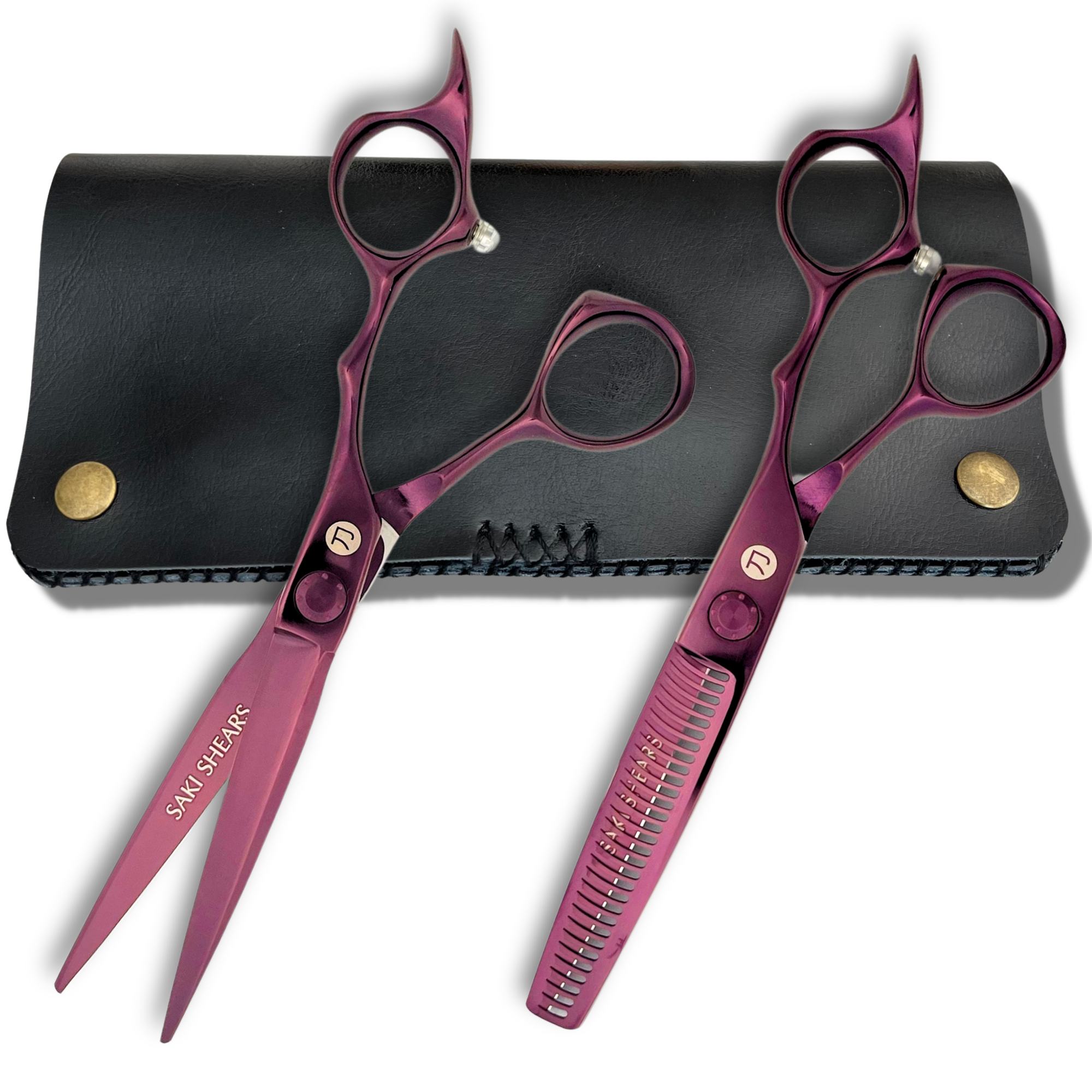
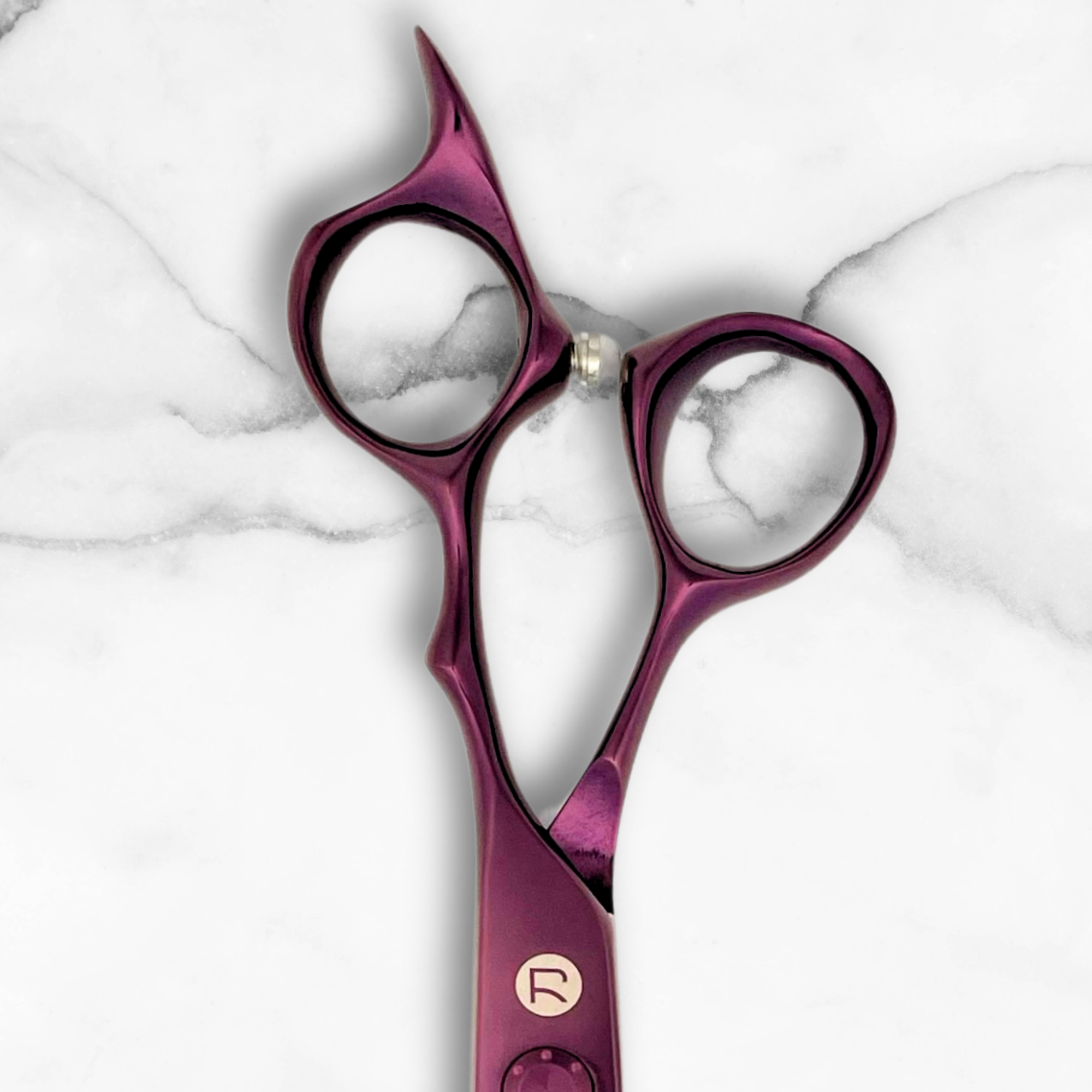
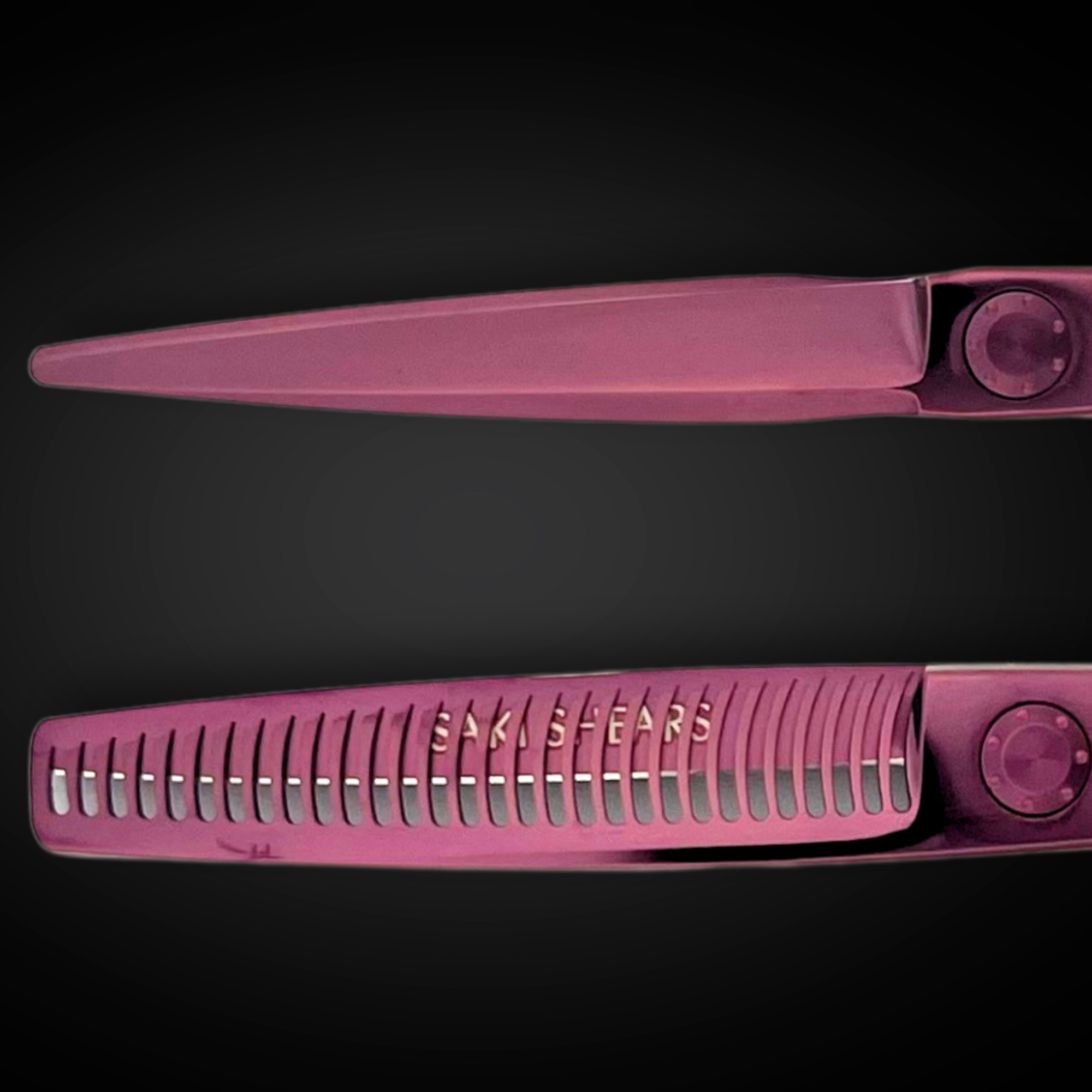
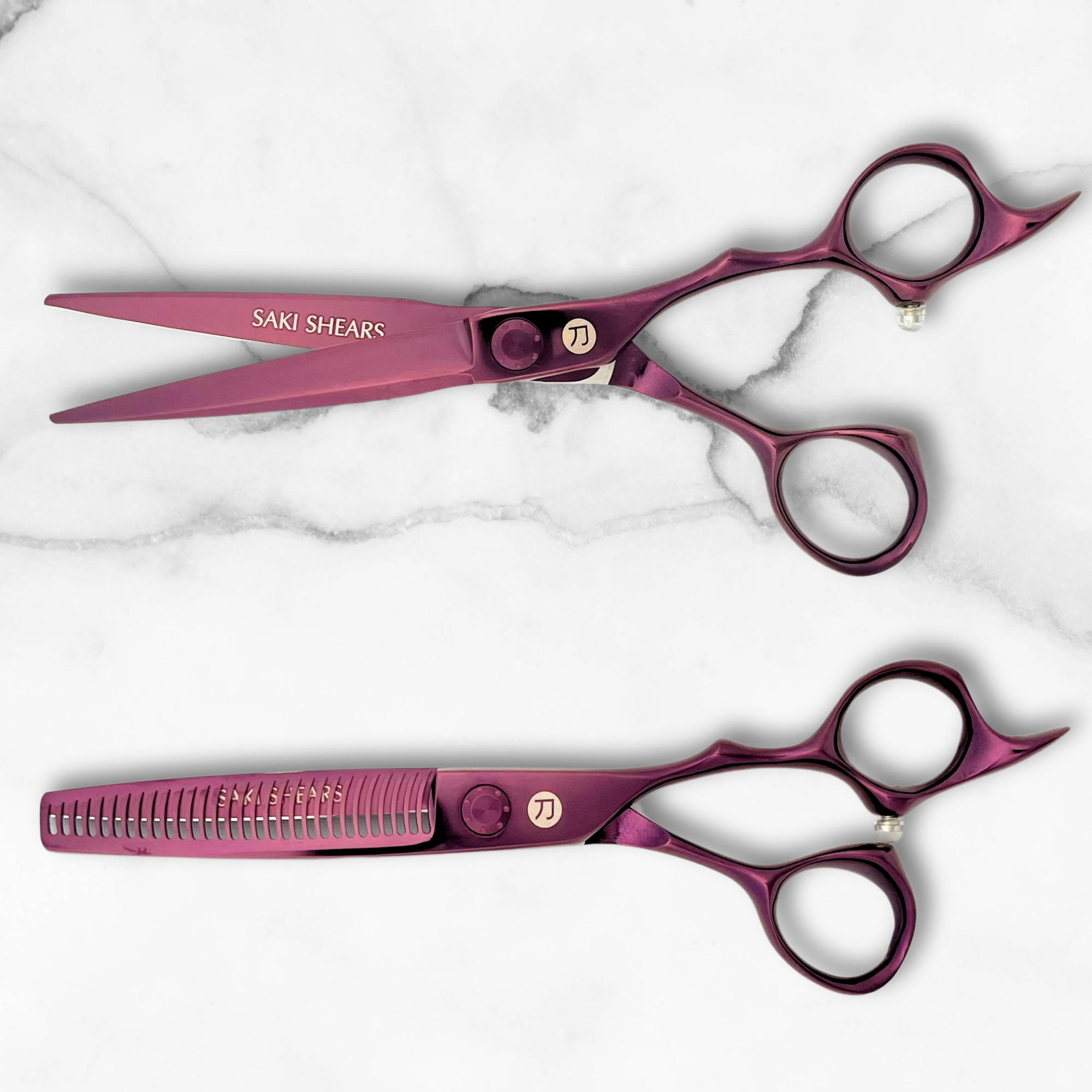
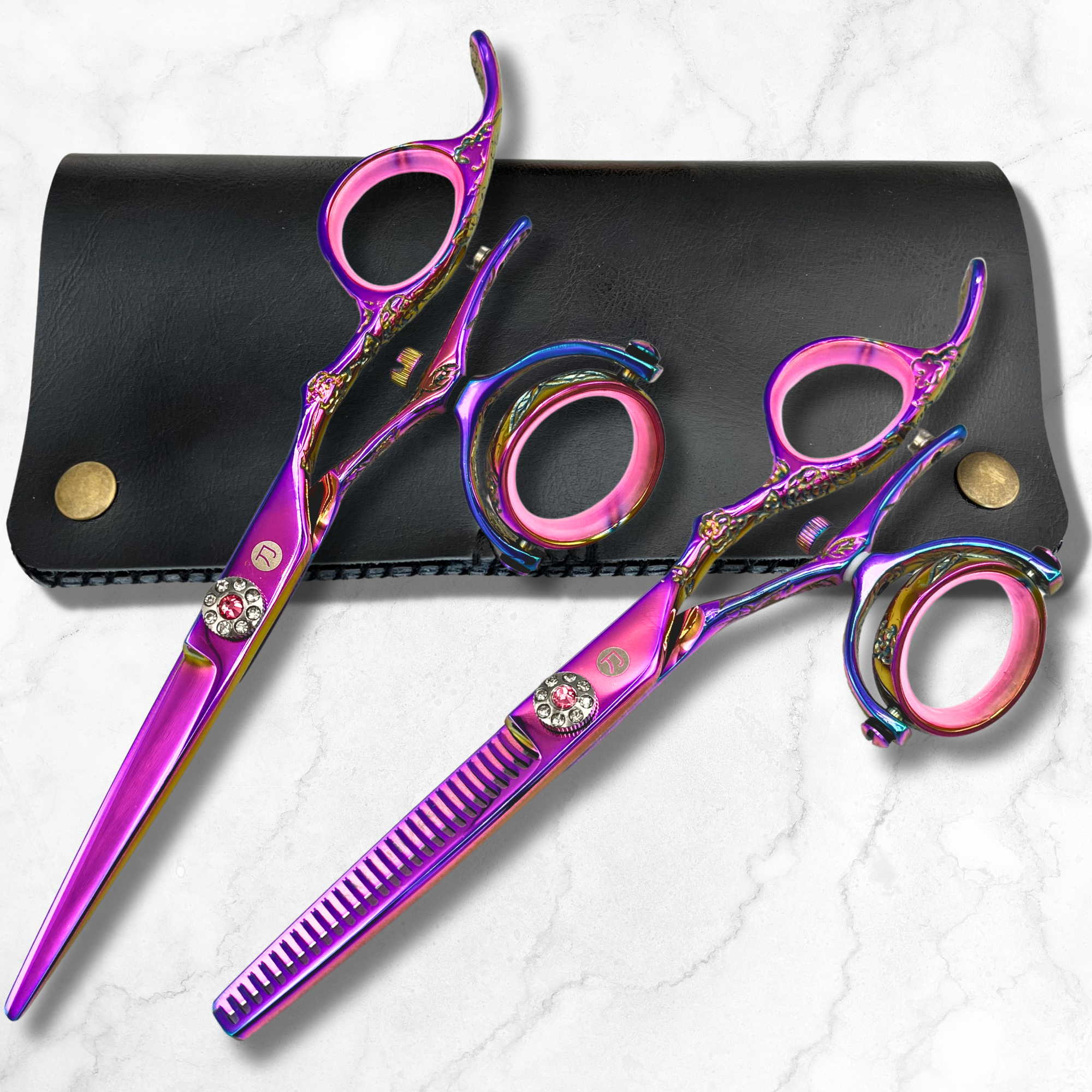
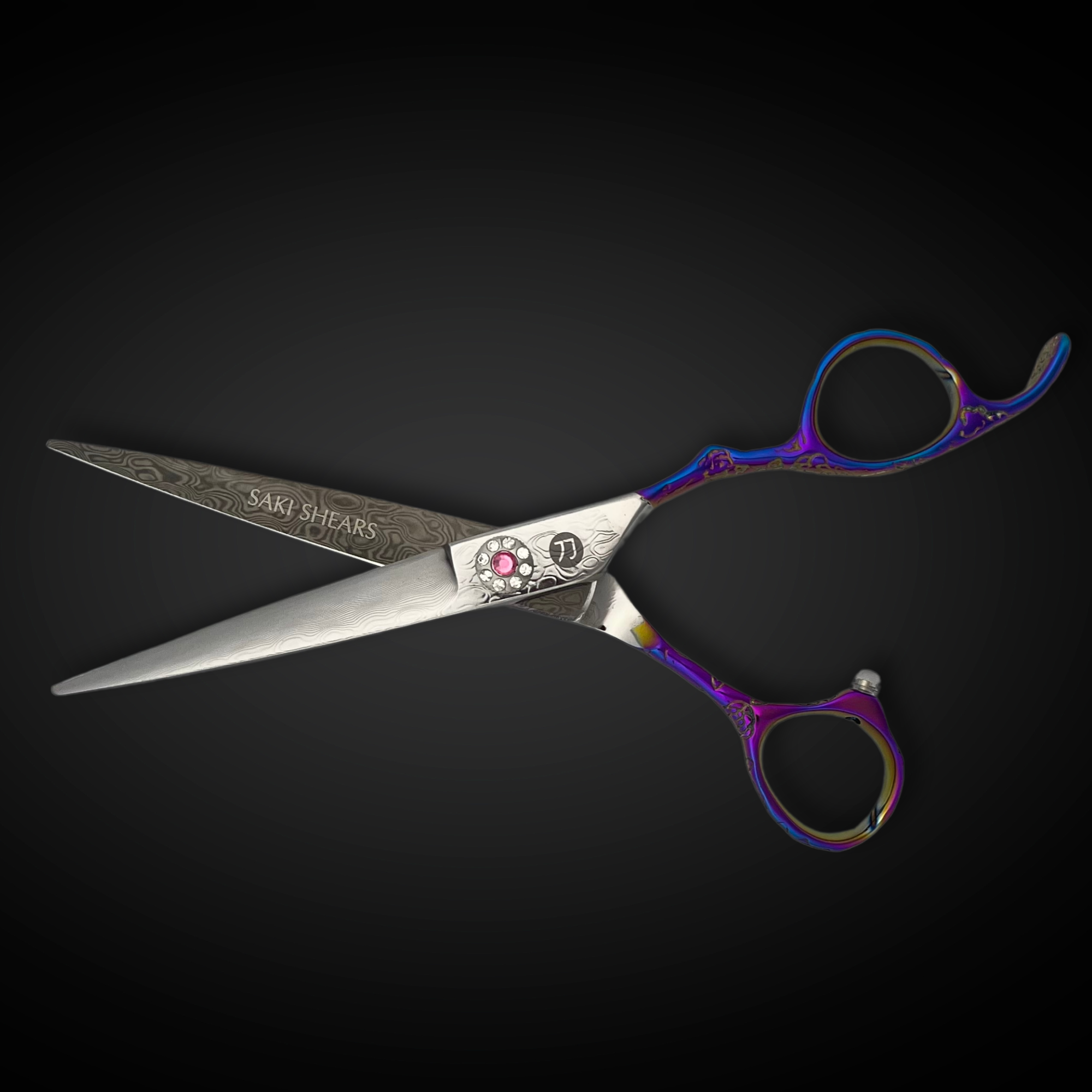
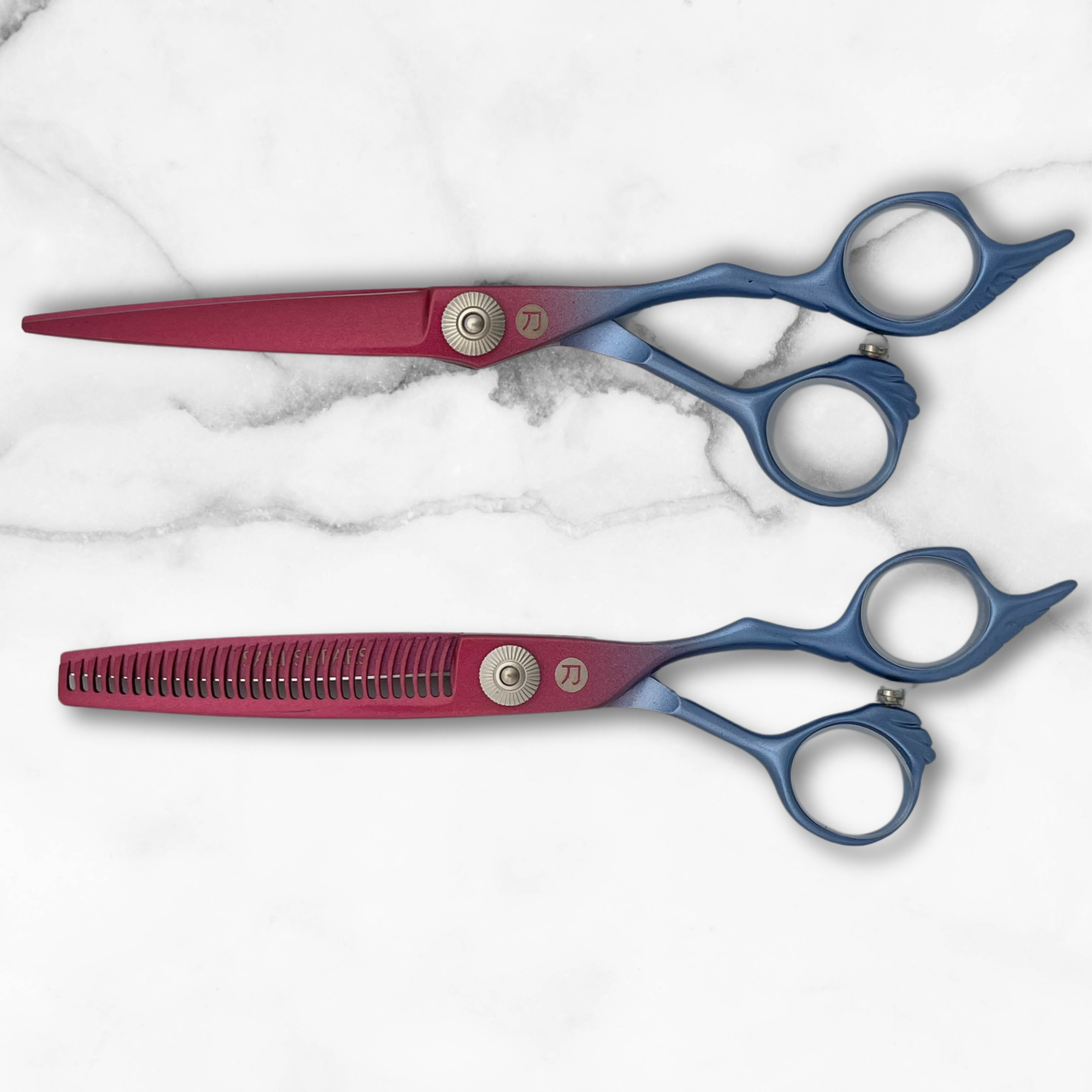
Shears are the backbone of precision work — blunt-cut lines, point cutting, texturizing on top, and freehand finishing that clippers can't replicate. Length is a matter of hand size and cutting style: shorter shears (5 to 5.5 inches) suit close, controlled work, while longer shears (6 to 6.5 inches) give more reach for scissor-over-comb technique. Steel quality determines how well the edge holds and how the blades feel moving through hair; convex-edge shears cut cleaner with less pushing than beveled edges. A dedicated pair reserved only for hair — never used on foils, tape, or anything else — will hold its edge far longer. See the full hair cutting shears range for options across sizes and steel grades.
Thinning and Texturizing Shears
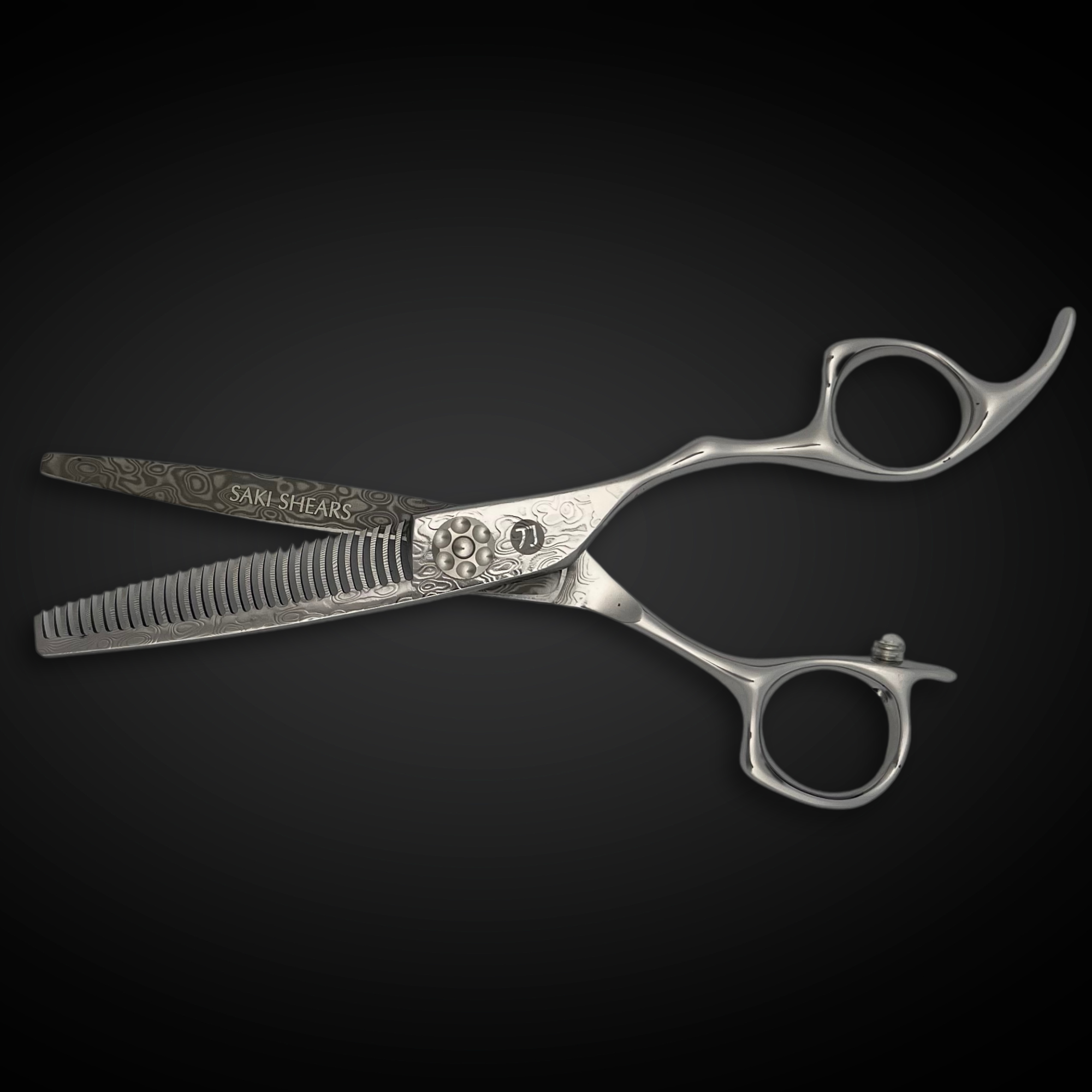
Thinning shears remove bulk and blend transitions without shortening length, which makes them essential for softening harsh lines, deflating thick or dense hair, and creating texture on top sections. Tooth count and spacing change the effect: fewer, wider teeth remove more bulk per pass, while finer teeth give a subtler blend. Most barbers keep at least one thinning shear in rotation alongside their primary cutting shear, particularly for client hair types that clipper-over-comb work alone can't manage cleanly. The thinning shears and scissors collection covers a range of tooth configurations for different hair densities.
Straight Razor
A straight razor is used for clean neckline and hairline work, close finishing around the ears, and traditional wet shaves. Barbers generally choose between a fixed-blade straight razor that requires honing and stropping, or a replaceable-blade razor that swaps in a fresh edge for every client — the latter has become the standard in most shops for hygiene and consistency. Whichever style you use, the blade needs to be sharp enough to glide without dragging; a dull razor pulls hair and irritates skin rather than cutting cleanly. For replaceable-blade options, the safety razors collection is worth a look.
Combs
A barber's comb selection typically includes a fine-tooth comb for sharp lines and detail work, a wide-tooth comb for detangling and working through thick or curly hair, and a fade/blending comb (flat-backed, often with a taper) for clipper-over-comb technique. Carbon or hard-rubber combs resist heat and static better than plastic, which matters when working near clippers or blow dryers. Keeping combs clean and free of product buildup also protects the finish on shears and clipper blades that pass over them repeatedly.
Cape and Neck Strips
The cape and neck strip aren't cutting tools, but they affect the actual mechanics of a cut. A well-fitted cape keeps loose hair off the client's skin and clothing, and a snug neckline stops hair from working its way underneath — both of which keep the client still and comfortable through a longer service. Disposable neck strips are standard for sanitation between clients; cloth capes should be laundered on a regular schedule rather than just wiped down.
Building the Kit
None of these tools work in isolation — a sharp shear paired with a dull clipper blade, or a good clipper used without the right comb, still produces uneven results. The tools above cover the core of a functional barber kit: clippers and trimmers for bulk and detail, cutting and thinning shears for precision and blend, a razor for finishing, combs for control, and a cape setup that keeps the whole service running smoothly. Investing in quality on the tools you touch most — shears and clippers — pays off first in edge retention and consistency, then in the long-term cost of fewer replacements and re-sharpenings.

Written by Charles Harris