How to Choose Professional Hair-Cutting Shears: A Stylist's Buying Guide
Your shears are the single tool you'll touch more than any other in your career. A stylist working full chair hours puts thousands of open-close cycles through that hinge every week, and the difference between a good pair and a bad one shows up in your results, your speed, and eventually your hands. Here's what actually matters when you're shopping for professional hair-cutting shears — not marketing language, but the factors that affect how a shear performs and holds up over years of daily use.
Steel Quality Determines Everything Else
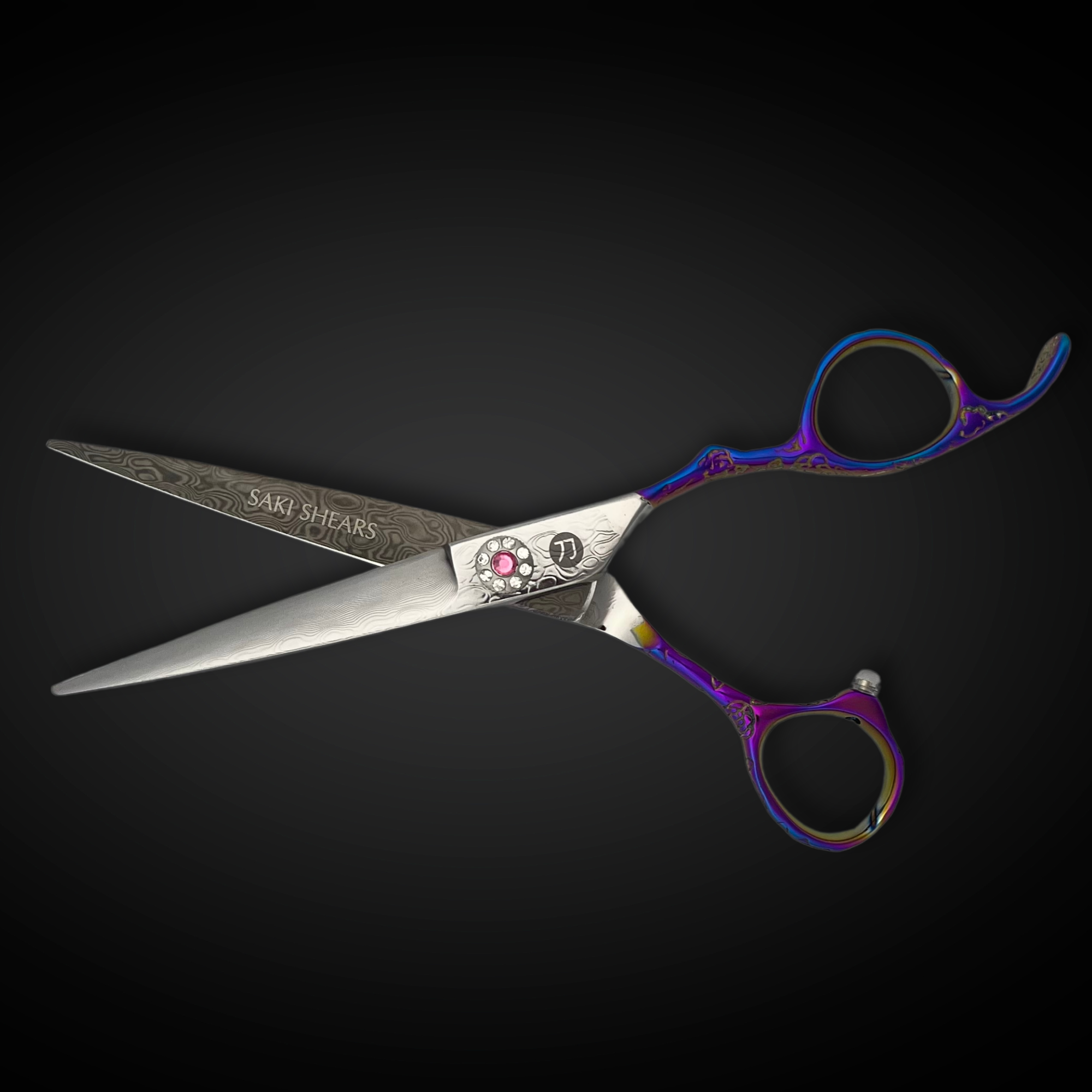
The steel a shear is forged from sets the ceiling for how sharp it can get, how long it holds an edge, and how it responds to sharpening. Japanese steels such as VG-10 and Damascus-clad blades are the standard in professional-grade shears because they take a finer edge and resist chipping better than the softer stainless alloys used in bargain scissors. Cheaper shears often use lower-grade steel that dulls quickly and requires more aggressive honing each time, which shortens the usable life of the blade. If you're cutting daily, steel quality is not a cosmetic detail — it's the difference between sharpening twice a year and sharpening every few weeks.
Edge Type Should Match Your Technique
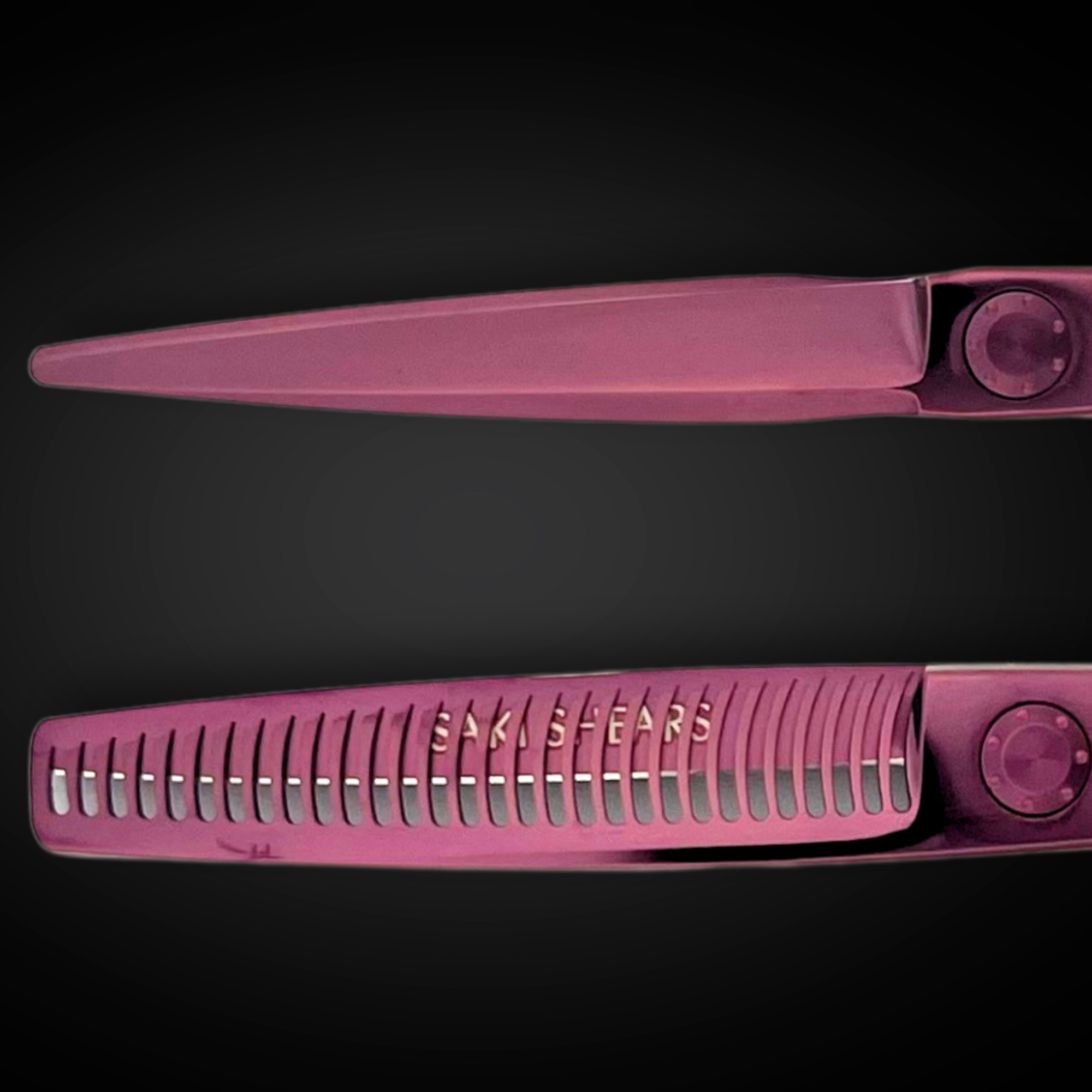
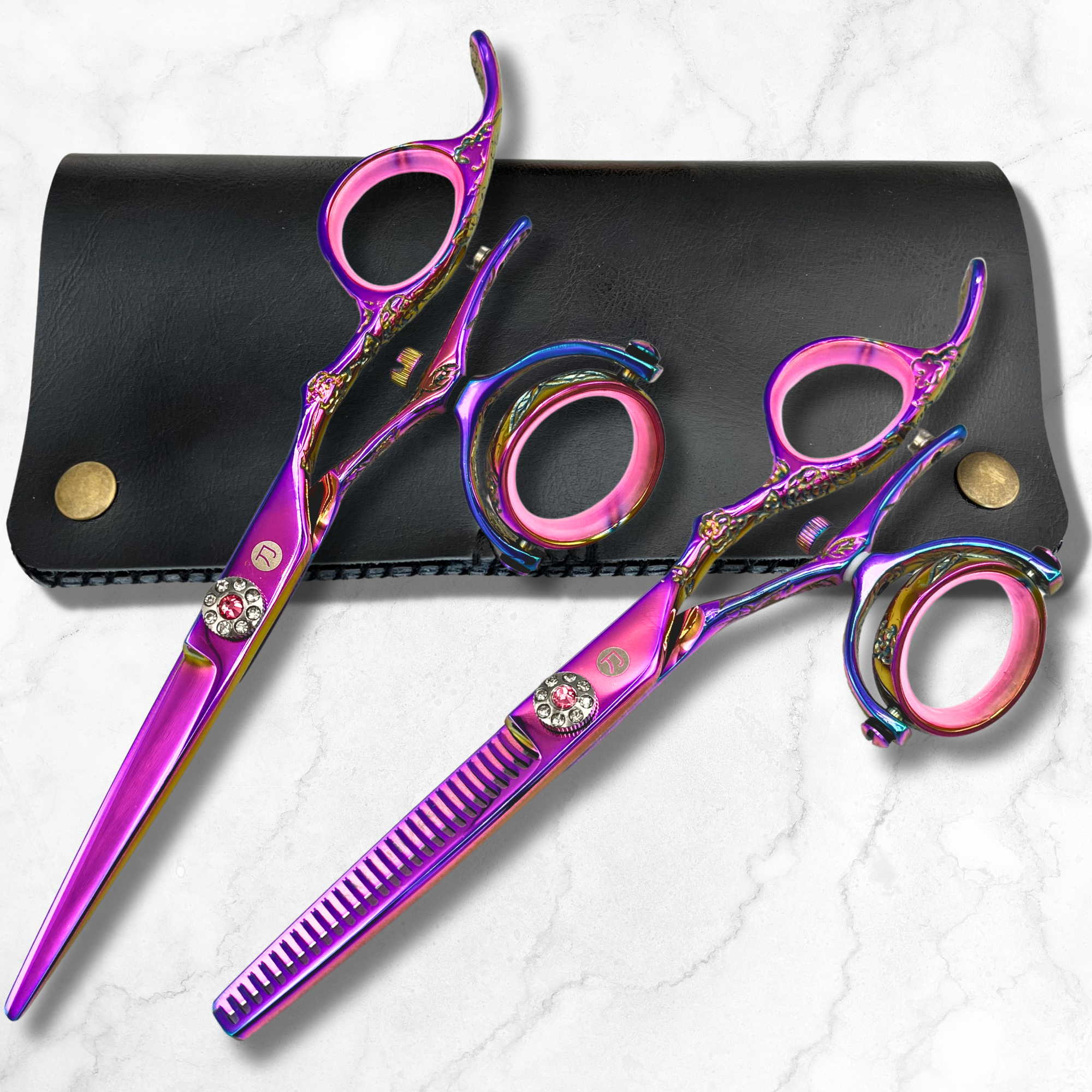
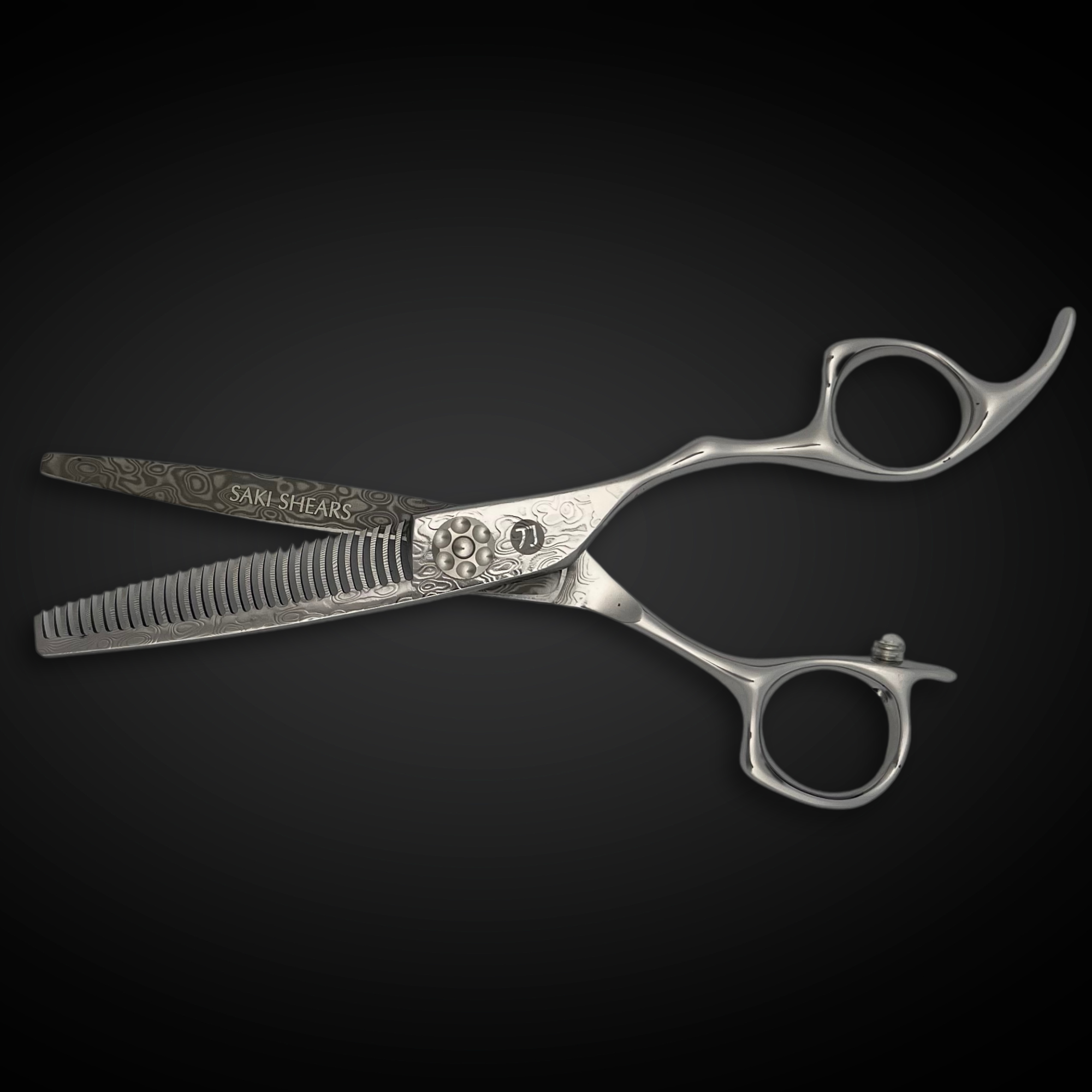
Convex edges are polished to a smooth, hollow-ground bevel that slices with minimal pushing, which is why most precision dry-cutting and point-cutting shears use this style. Bevel-edge (also called German-style) shears have a flatter, more durable edge that stands up well to blunt-cutting and heavier use, and they're generally more forgiving of small nicks. Serrated or micro-serrated edges grip the hair and are suited to texturizing and thinning work rather than clean line cutting. None of these is universally "better" — the right edge depends on the cutting techniques you actually use day to day, and many working stylists keep more than one shear on hand for that reason.
Ergonomics Affect Your Hand, Not Just Your Comfort
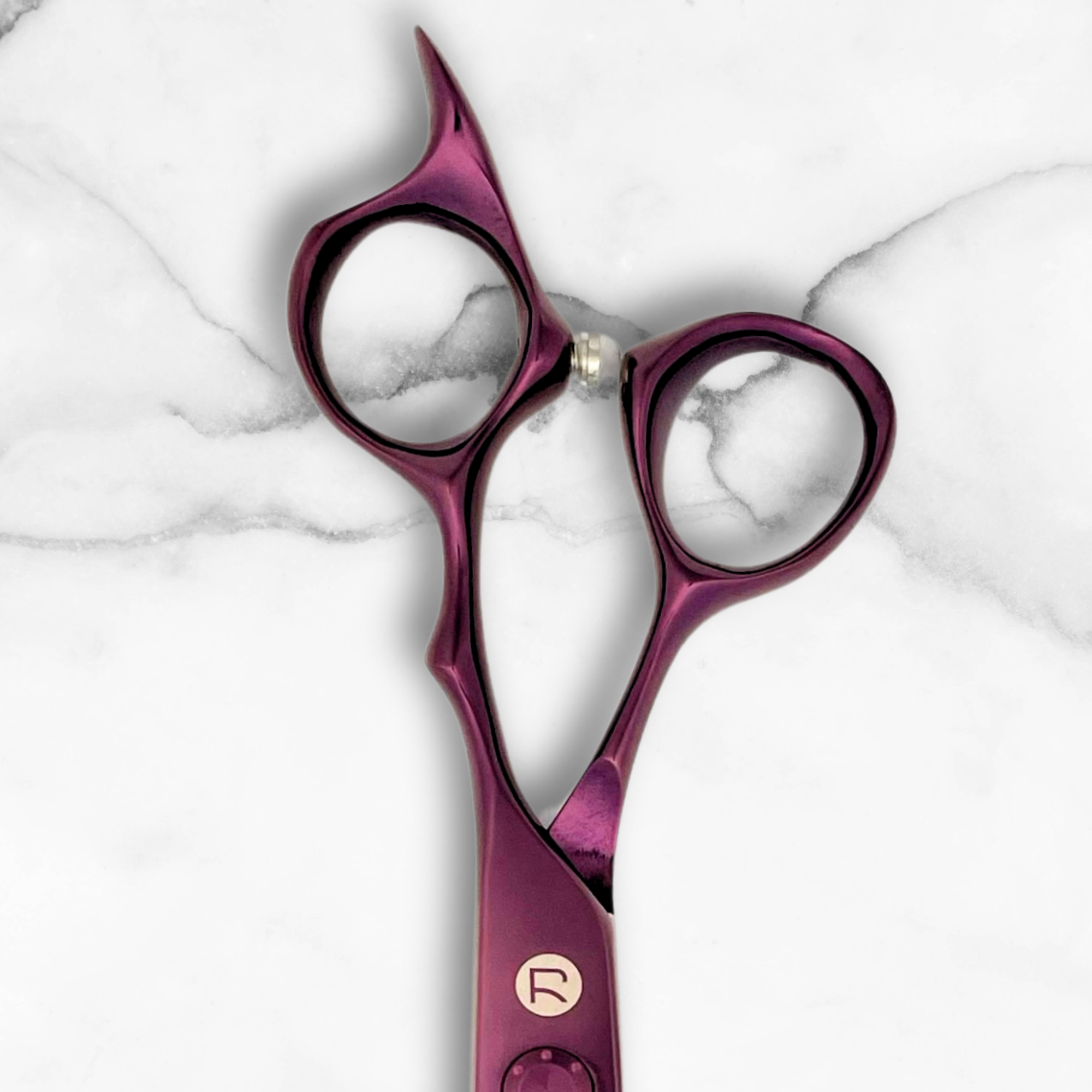
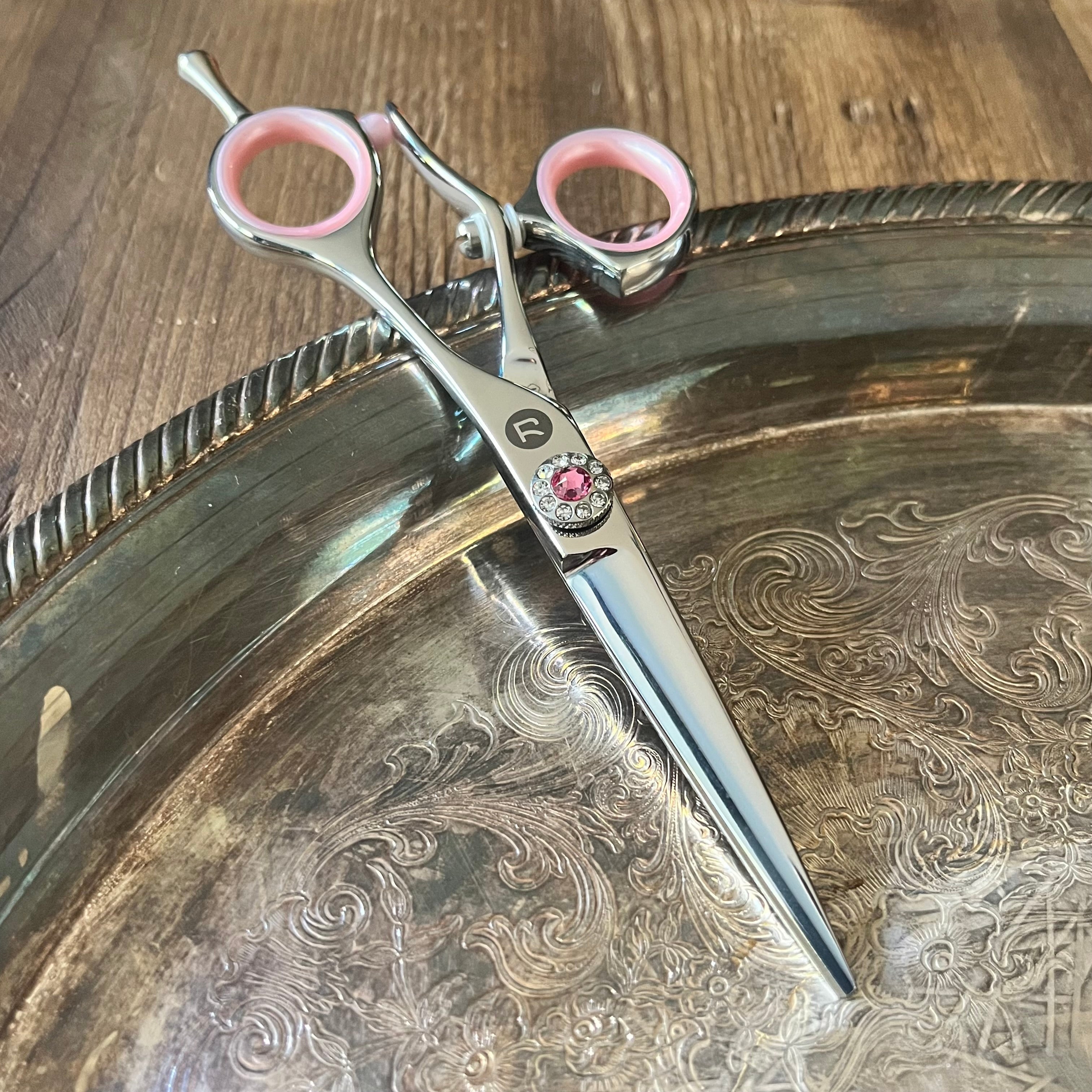
A shear that doesn't fit your hand forces your wrist and thumb into an awkward, repeated motion for hours at a time. Offset handles, where the thumb ring sits lower than the finger ring, let your forearm and wrist stay in a more neutral position instead of angling upward. Crane and swivel-thumb designs go a step further, allowing the thumb to rotate independently so your elbow doesn't have to lift to compensate. Handle size matters too — a shear that's too large or small for your hand changes your grip and how much tension you apply without realizing it. If possible, hold a shear before buying, or buy from a supplier with a fair return policy, since fit is genuinely individual.
Tension and Adjustability
The tension screw controls how the blades meet as they close. Too loose, and the shear folds hair instead of cutting it; too tight, and you're fighting the tool with every stroke, which fatigues your hand faster and stresses the pivot. Look for a smooth, adjustable tension system rather than a fixed pivot, and get in the habit of checking tension regularly — it shifts slightly with use and needs periodic adjustment, not just at purchase.
Weight and Balance
A shear's weight and where that weight sits (closer to the pivot versus out toward the tips) changes how tiring it feels to hold in a cutting position for a full service. Lighter, well-balanced shears reduce strain over a full day of back-to-back clients. This is one more reason to handle a shear in person when you can, rather than judging purely from a spec sheet.
Length: Match It to Your Technique, Not Your Hand Size
Shorter shears (around 5.0–5.5") give you more control for precision and point cutting close to the head. Longer shears (5.75" and up) cover more hair per stroke, which suits blunt cutting and larger sections. Choose based on the techniques that make up most of your workday, not simply what feels biggest or smallest in your hand.
Treat the Purchase as an Investment, Not an Expense
A well-made pair of shears, properly maintained, can last many years and thousands of services. Buying a quality shear once — and paying for professional sharpening rather than letting the edge degrade — is almost always cheaper over time than replacing a lower-quality pair every year or two. Set a realistic budget based on how much you cut, and treat the shear as working equipment that pays for itself in speed, results, and hand health, not as a discretionary purchase.
Where to Start
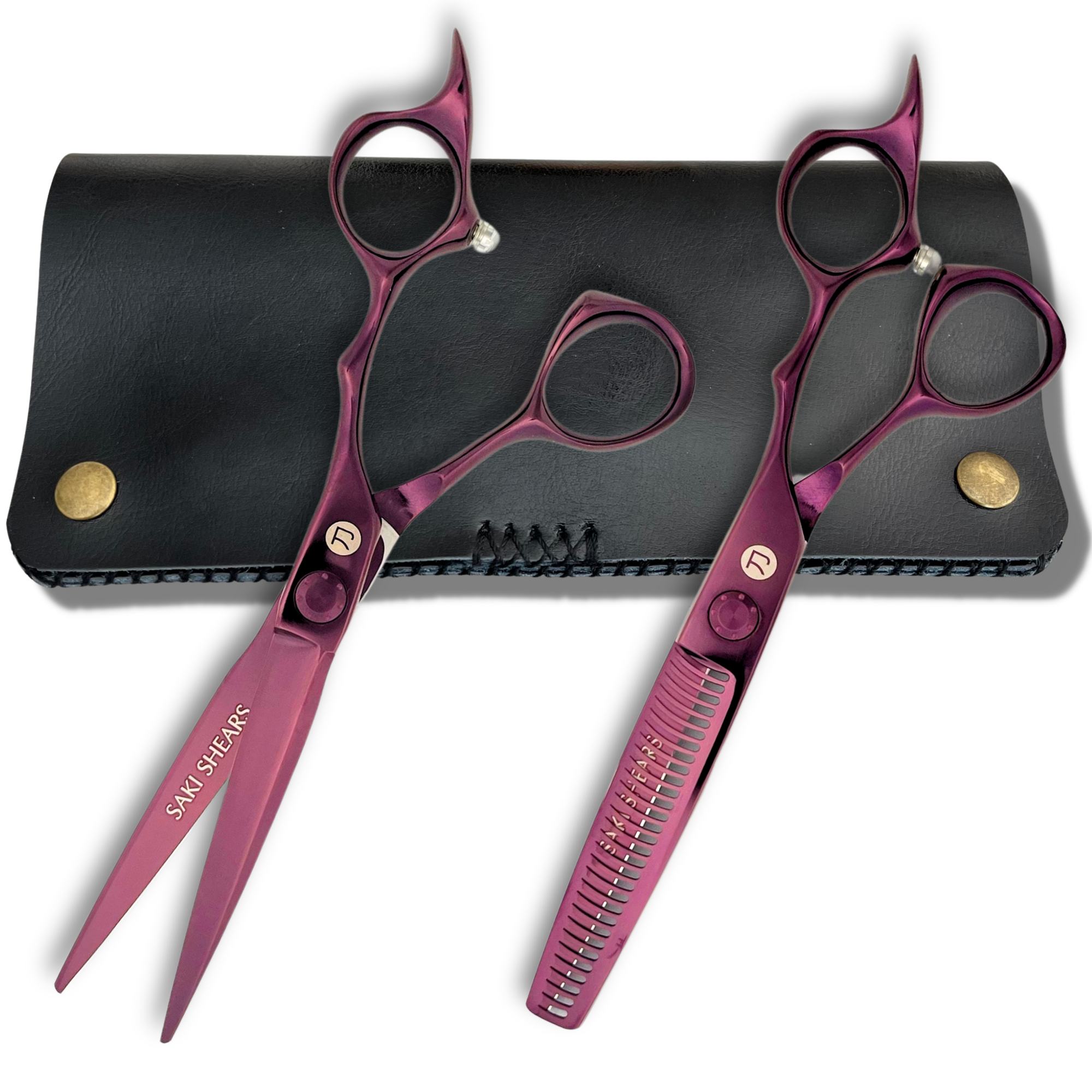
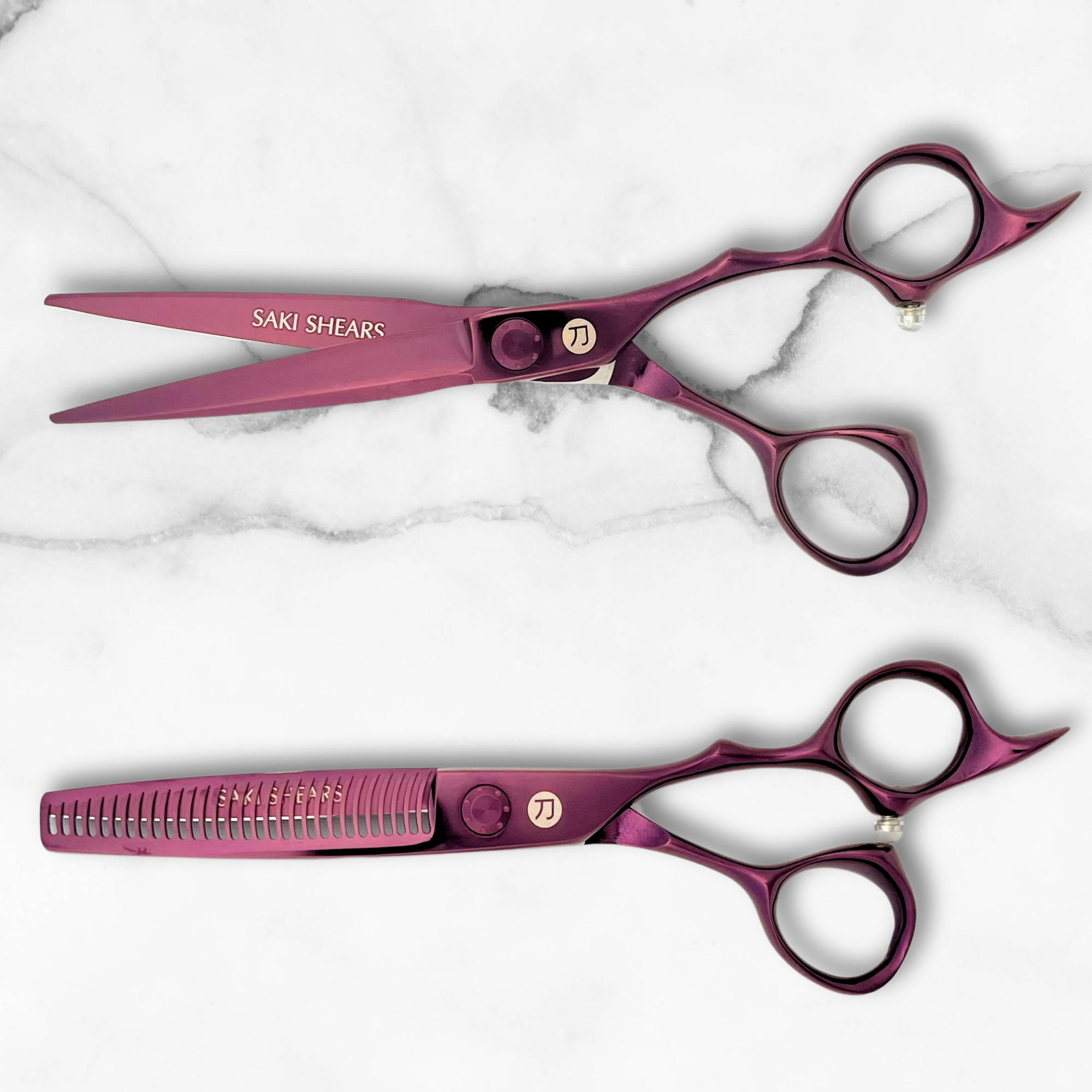
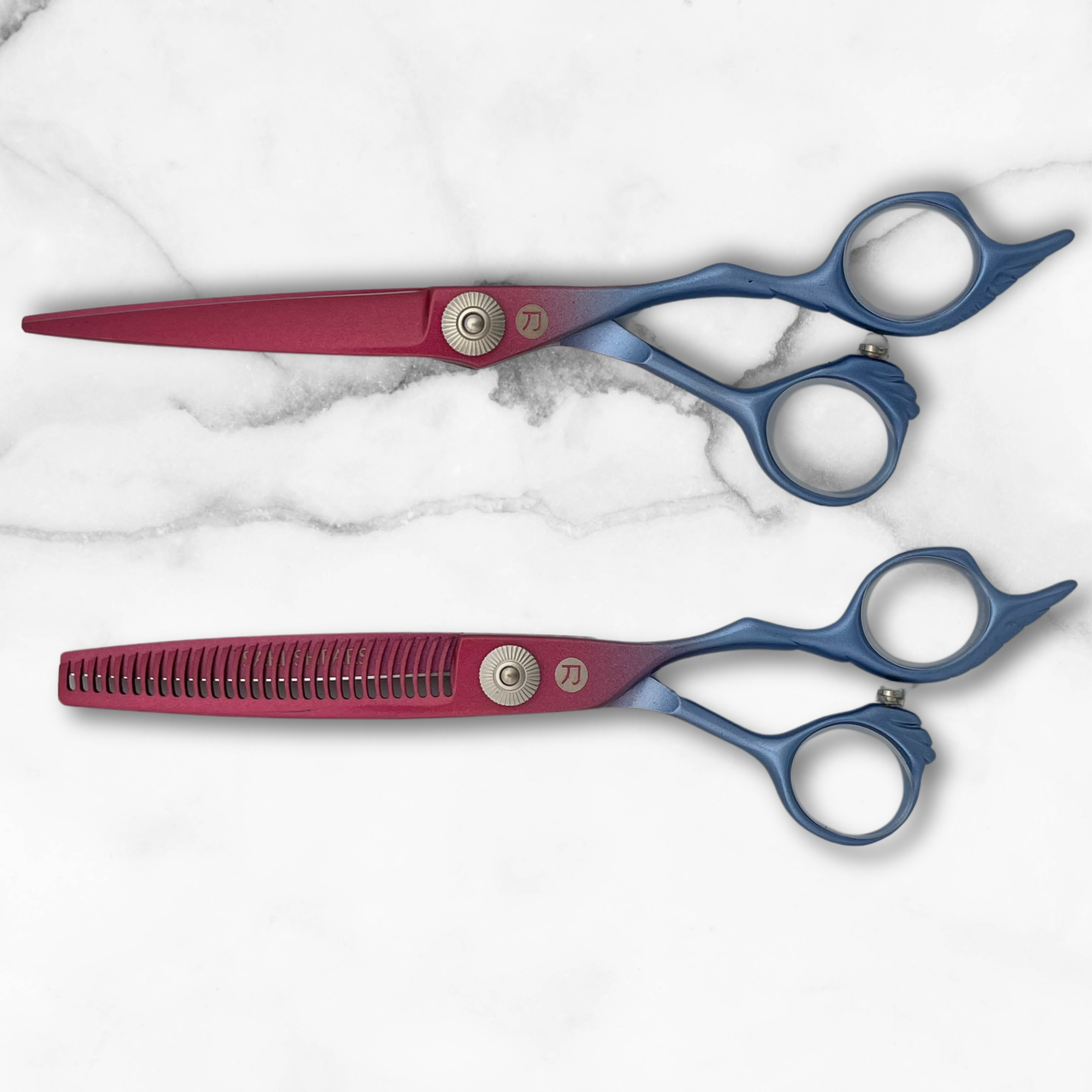
If you're comparing options, look at a range of hair-cutting shears to compare steel, edge type, and handle styles side by side, or browse shear sets if you want a cutting shear and thinning shear matched from the same build. For texturizing work specifically, a dedicated pair from our thinning shears lineup is worth adding to your kit alongside your primary cutting shear.

Written by Charles Harris