Translating Reference Photos Into Precise Haircuts
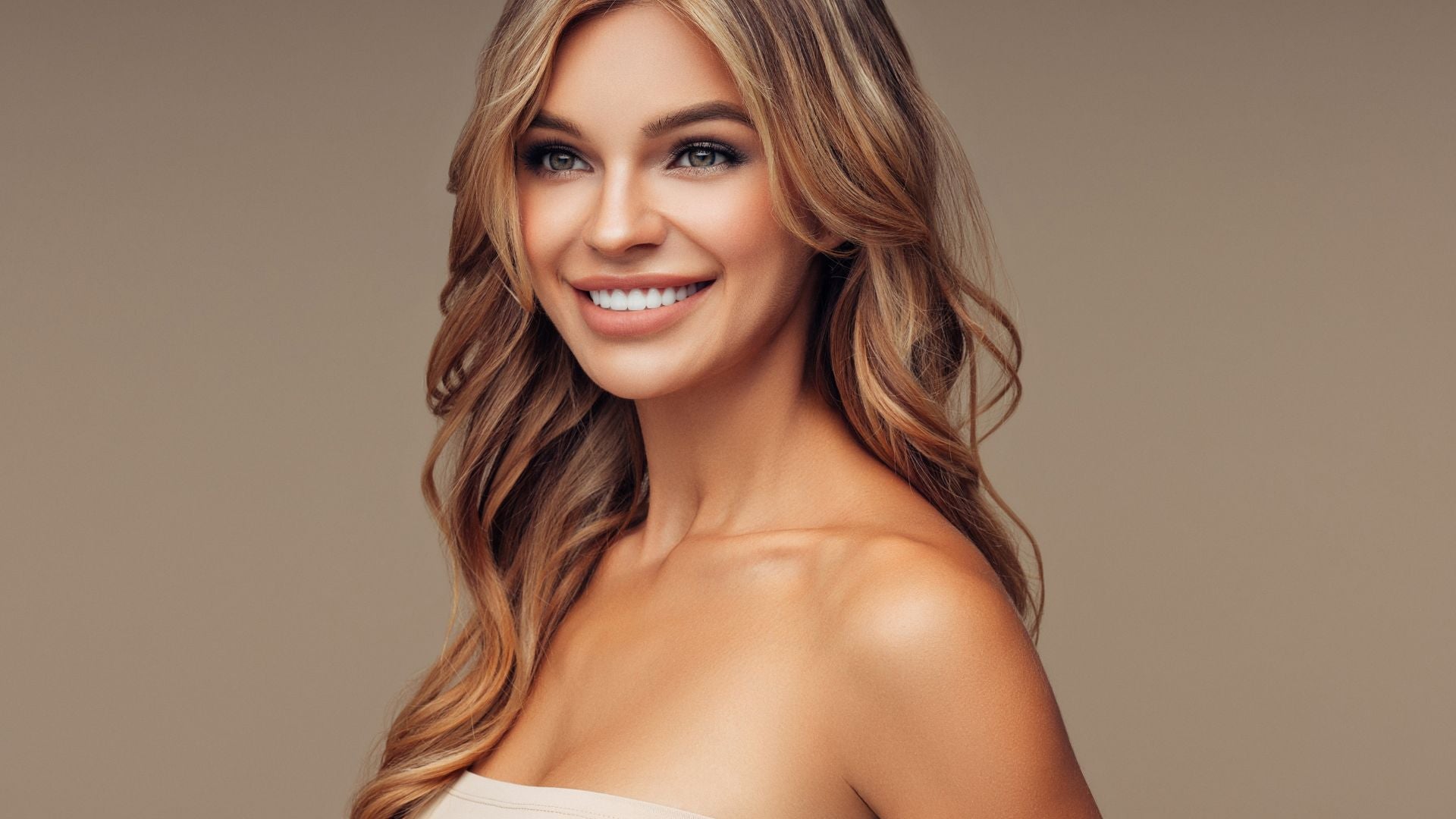
A client hands you a phone with a photo saved from social media and says, "I want this." That photo is data, not a spec sheet. Your job in the consultation is to translate an image into a set of technical decisions—length, layering, texture, finish—that you can actually execute, and to do it in a way that sets honest expectations before the first section is cut. This is a skill distinct from general client communication: it's specifically about reading images and reconciling them with the head of hair in front of you.
Treat the Photo as a Starting Question, Not an Answer
When a client presents a reference photo, resist the urge to jump straight to matching it. Instead, use the photo to ask better questions. What is the client actually responding to—the silhouette, the color, the way the ends move, the parting, or simply the model's face shape? Clients frequently can't articulate this themselves, so it falls to you to isolate it. Ask directly: "What do you like most about this cut?" and "Is it the length, the layers, or how it's styled in the photo?" The answers narrow an ambiguous reference into something you can plan a cut around.
Decoding Length From an Image
Photos distort length constantly. Camera angle, hair texture in the photo, and even whether the hair is wet, blown out, or curled all change how long a cut reads. A blunt bob photographed straight-on looks shorter than the same length on wavy hair photographed at an angle. Before agreeing to a length, translate the photo into a body reference on your actual client—collarbone, chin, shoulder—while their hair is wet or freshly detangled, not against the image itself. State the translated length back to the client in those terms so you're both confirming the same outcome.
Reading Layering and Weight Distribution
Layering is the hardest element to read from a photo because it's implied by movement, not shown directly. A reference photo showing soft, piecey ends might come from heavy internal layering, a razor-cut texturized perimeter, or simply a diffuser and a styling product. Study where the photo shows volume building and where weight is being removed, then ask yourself whether that structure is achievable on the client's actual density and growth pattern. Talk the client through this in plain terms: "To get this much movement at the ends, we'll need to remove weight starting around here," while indicating the zone on their own head.
Matching Texture and Finish, Not Just Shape
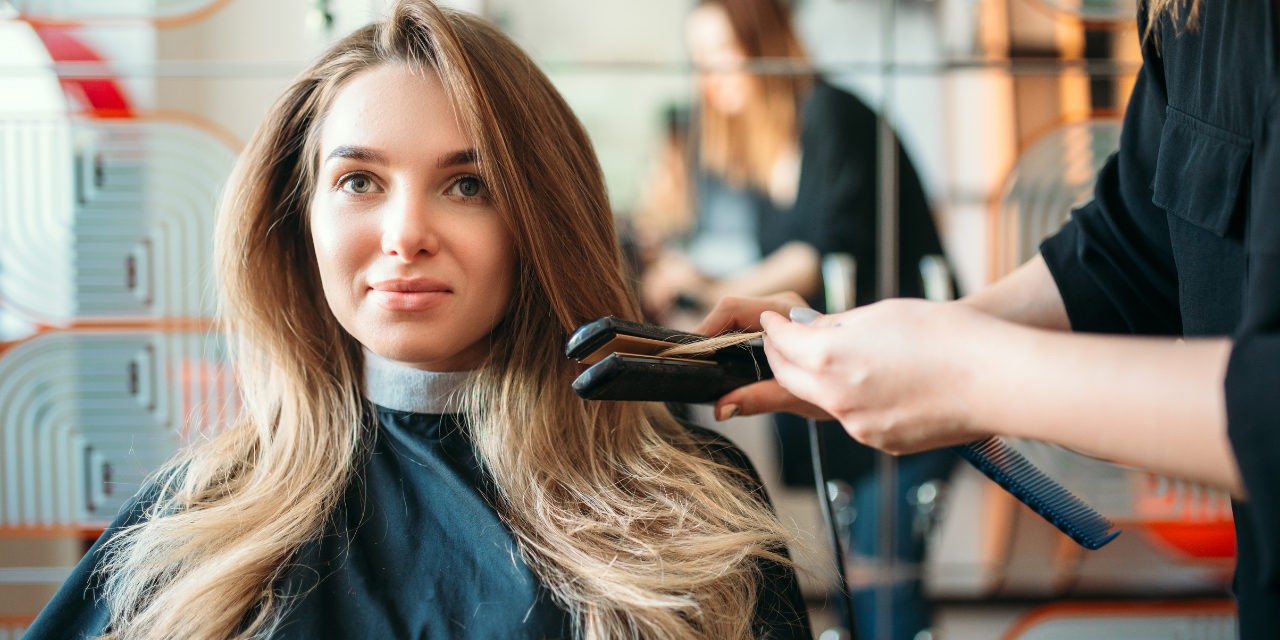
A huge share of reference-photo mismatch comes from confusing shape with finish. The client sees a shape; a large part of what makes that shape read the way it does is the finishing work—a flat iron, a diffuser, a specific brush-out. Separate the two explicitly in the consultation: what part of this look comes from the cut, and what part comes from styling the client will need to replicate at home? If the reference relies on a finish they're not going to reproduce daily, say so before you cut, not after.
- Ask what texture and density the model's hair appears to have, and name the gap if the client's hair differs.
- Identify whether the look depends on natural texture, a blowout, or heat styling shown in the photo.
- Confirm which single element—length, layers, or fringe—matters most if trade-offs are needed.
When the Reference Doesn't Match the Client's Hair
The hardest part of this conversation is telling a client, diplomatically, that their reference photo won't translate directly onto their hair type or density. A blunt, glass-like bob on fine, straight hair will not look the same on coarse, curly hair without a different cutting approach, and sometimes not at all with the same finish. Avoid a flat "that won't work." Instead, name what's achievable and why: "Your hair has more natural curl pattern than the model's, so instead of a blunt line we'll cut for shape that supports your curl and gets a similar overall silhouette." Offer the closest achievable outcome and explain the specific technical reason for the adjustment—density, growth pattern, curl pattern, or hair health—rather than leaving the client to guess why their result differs from the photo.
Confirm Before You Cut
Once you've translated the photo into length, layering, and texture decisions, restate the plan back to the client in your own words and confirm it matches their expectation before the first cut. This single step prevents the majority of "it's not what I showed you" conversations at the end of the appointment. A quick sketch, a section-by-section walkthrough, or simply pointing to the mirror and describing what you're about to do all work—the goal is agreement on specifics, not just a nod at the photo.
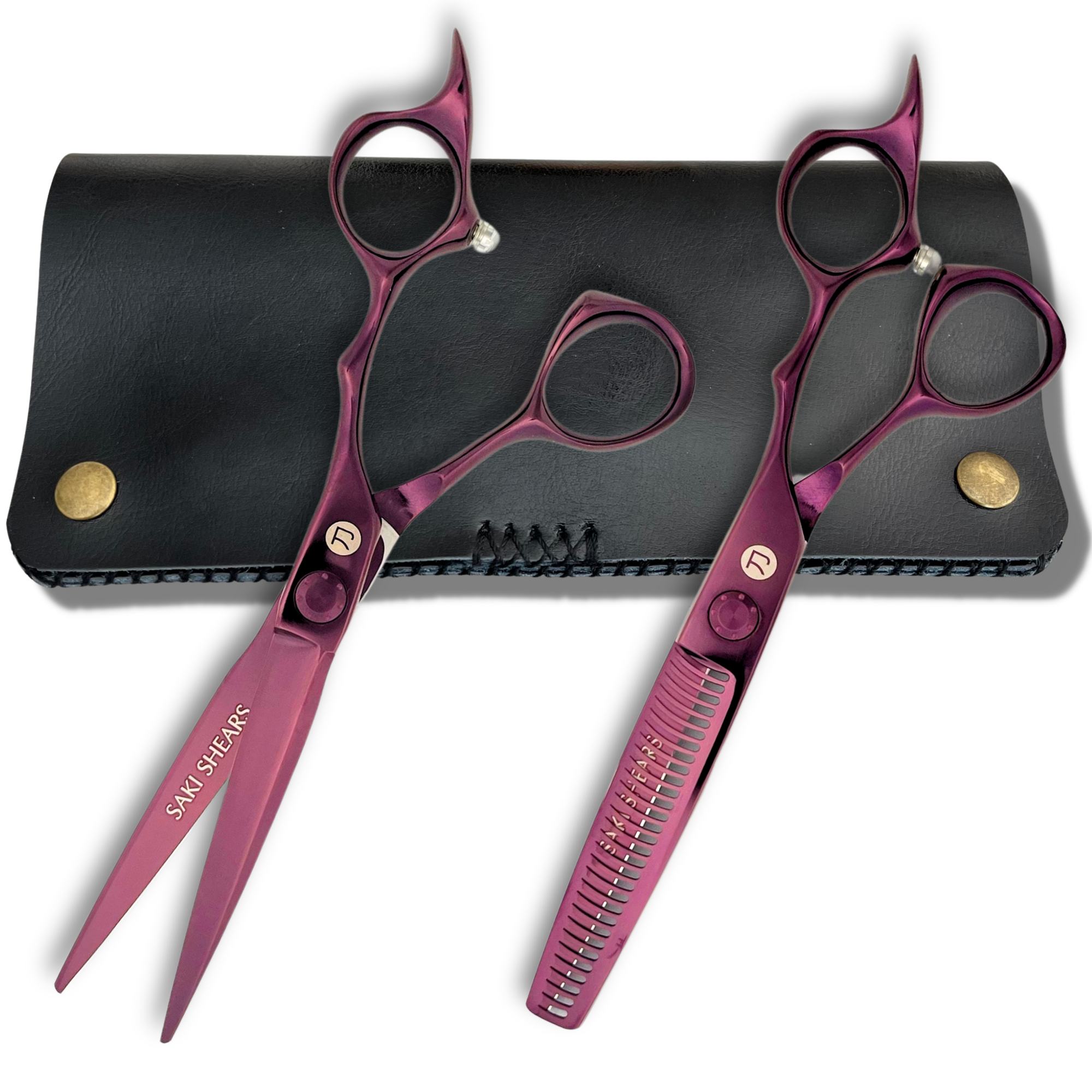
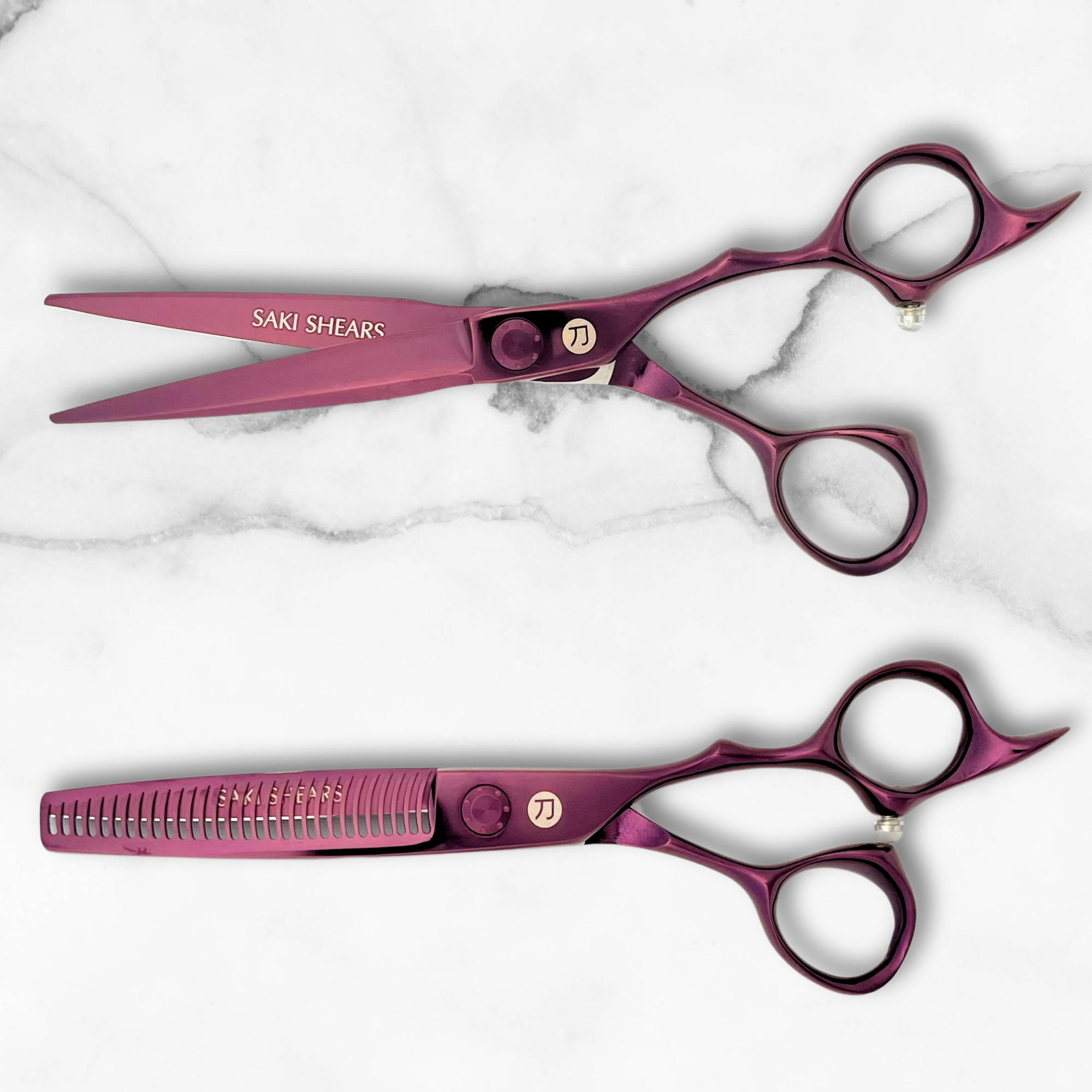
Precise reference-photo interpretation depends as much on your tools as your eye. Clean, accurate sectioning and layering work is easier to execute consistently with well-maintained hair cutting shears suited to the technique the reference calls for, and a quality set of thinning shears makes it far easier to soften a mismatch between a photo's texture and a client's natural density.