The Art of the Side Part: A Barber's Technique Guide
The side part remains one of the most requested finish looks in the chair because it reads as deliberate: a straight, visible parting line paired with controlled length distribution on either side. Executing it well is a matter of finding the natural part, cutting length that supports the part rather than fighting it, and blending the transition so the part reads as an intentional line rather than a gap.
Locating the Natural Part
Before cutting, wet the hair and comb it straight back, then let it fall to identify the natural fall pattern — most heads have a natural part on one side where the crown's whorl pushes hair in a consistent direction. Cutting against this natural fall makes the part harder to maintain and more product-dependent day to day. Confirm the part side with the client, mark it lightly with the comb, and use that line as the reference point for the rest of the cut.
Sectioning and the Parting Line
Section the head along the identified part line from the front hairline back to the crown, clipping the heavier side out of the way. Work the shorter side first so you have a stable reference for how much length to leave on the heavier side. Keep the parting line itself razor-straight by combing directly along it before each check — a wandering part line is one of the most common giveaways of a rushed side part.
Length Distribution
A side part depends on contrast between the short side and the length that falls across the part. On the short side, taper down toward the ear using scissor-over-comb or clipper-over-comb, tightening the taper as you move toward the hairline. On the long side, leave enough length that the hair has weight to fall across and hold the part's direction — too short here and the part will not lie down without heavy product; too long and it loses shape. Check both sides against each other frequently by combing the whole head back to the part line.
Blending Into the Sides and Back
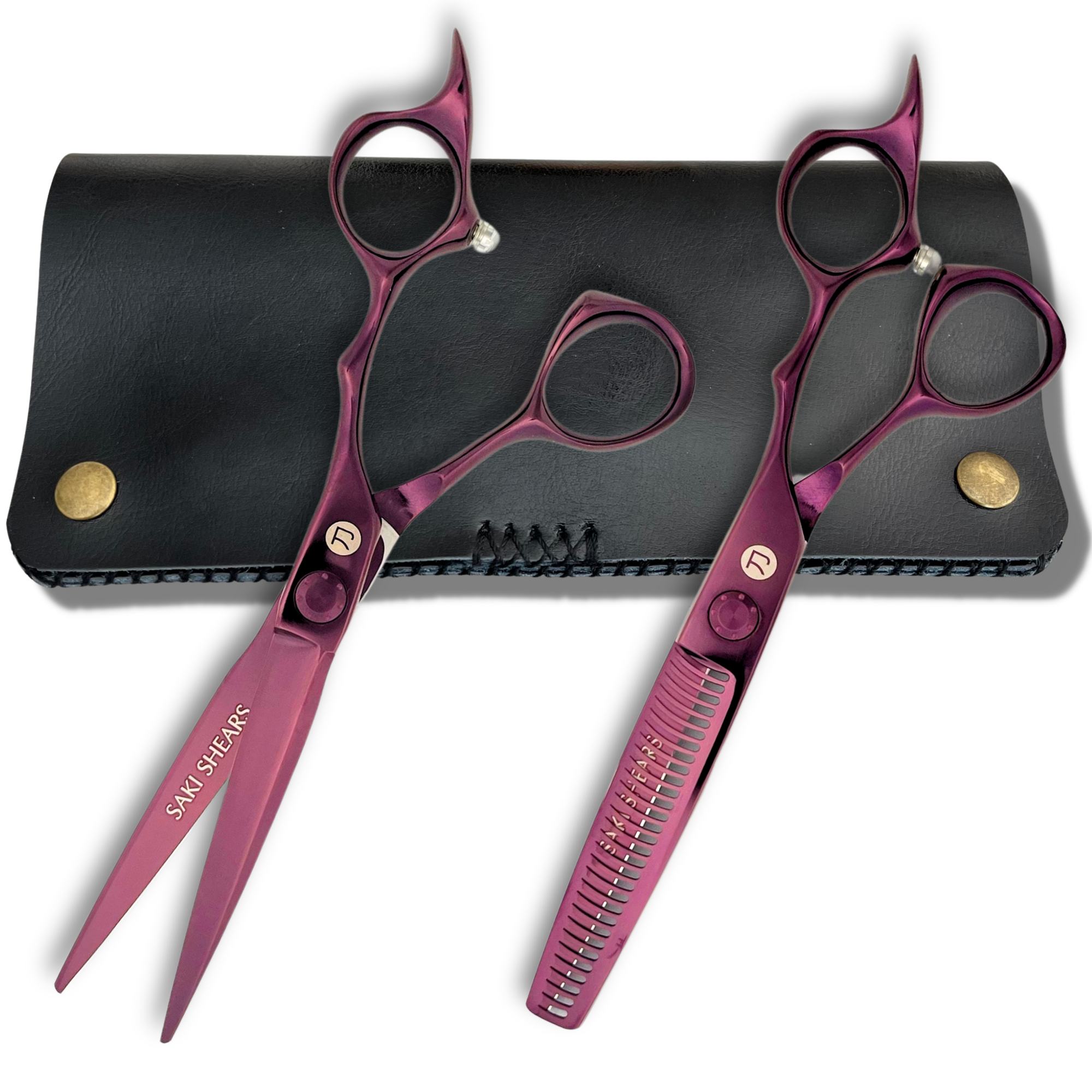
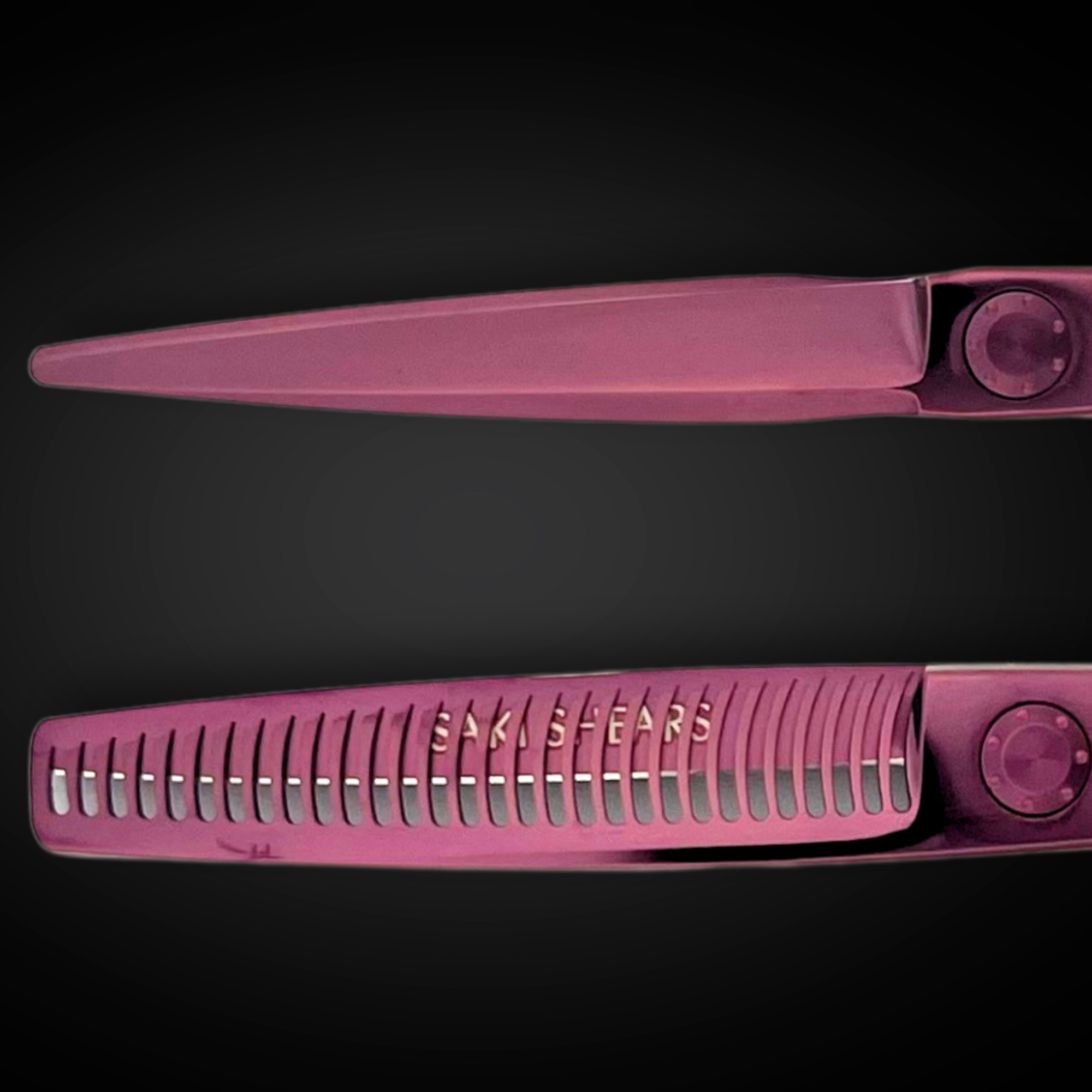
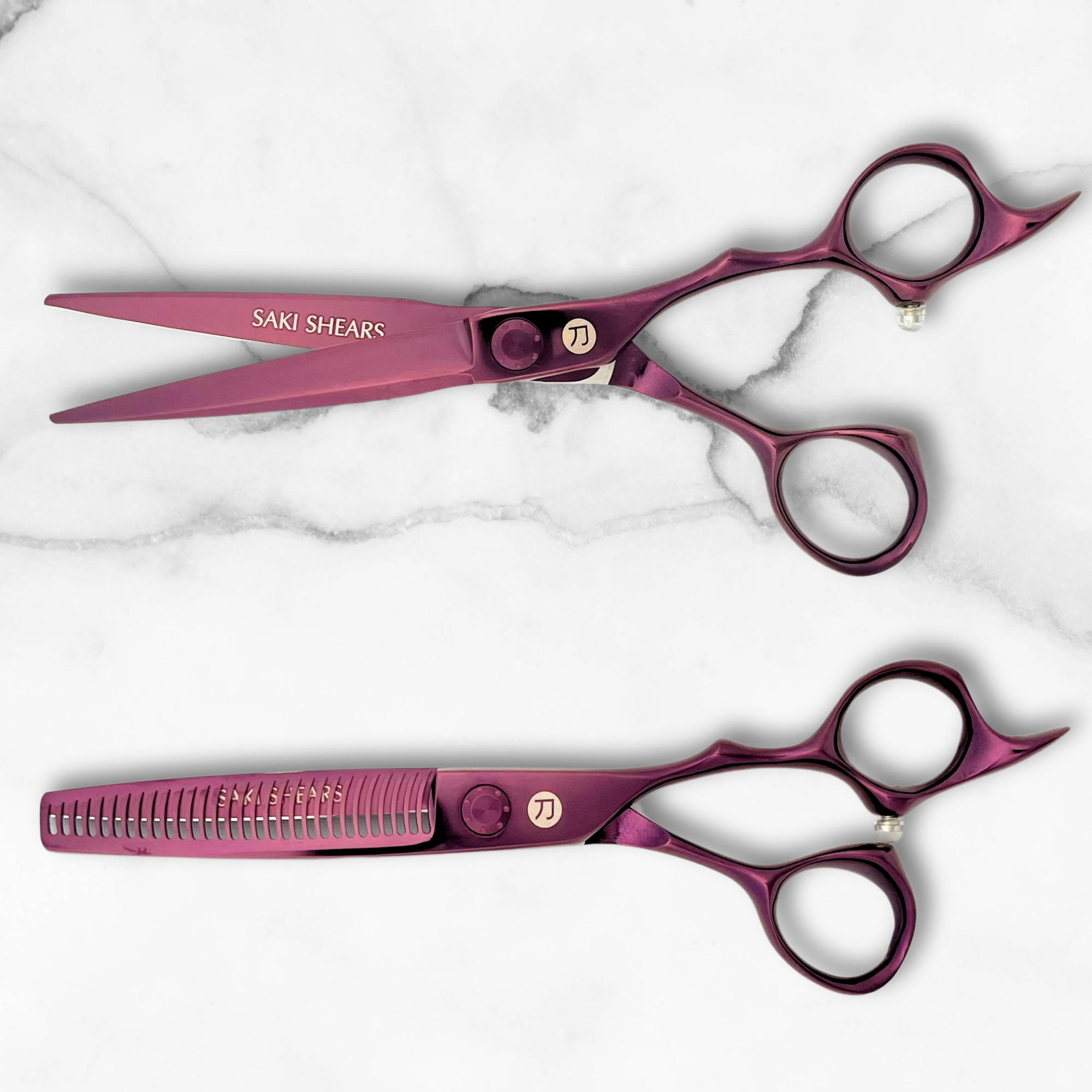
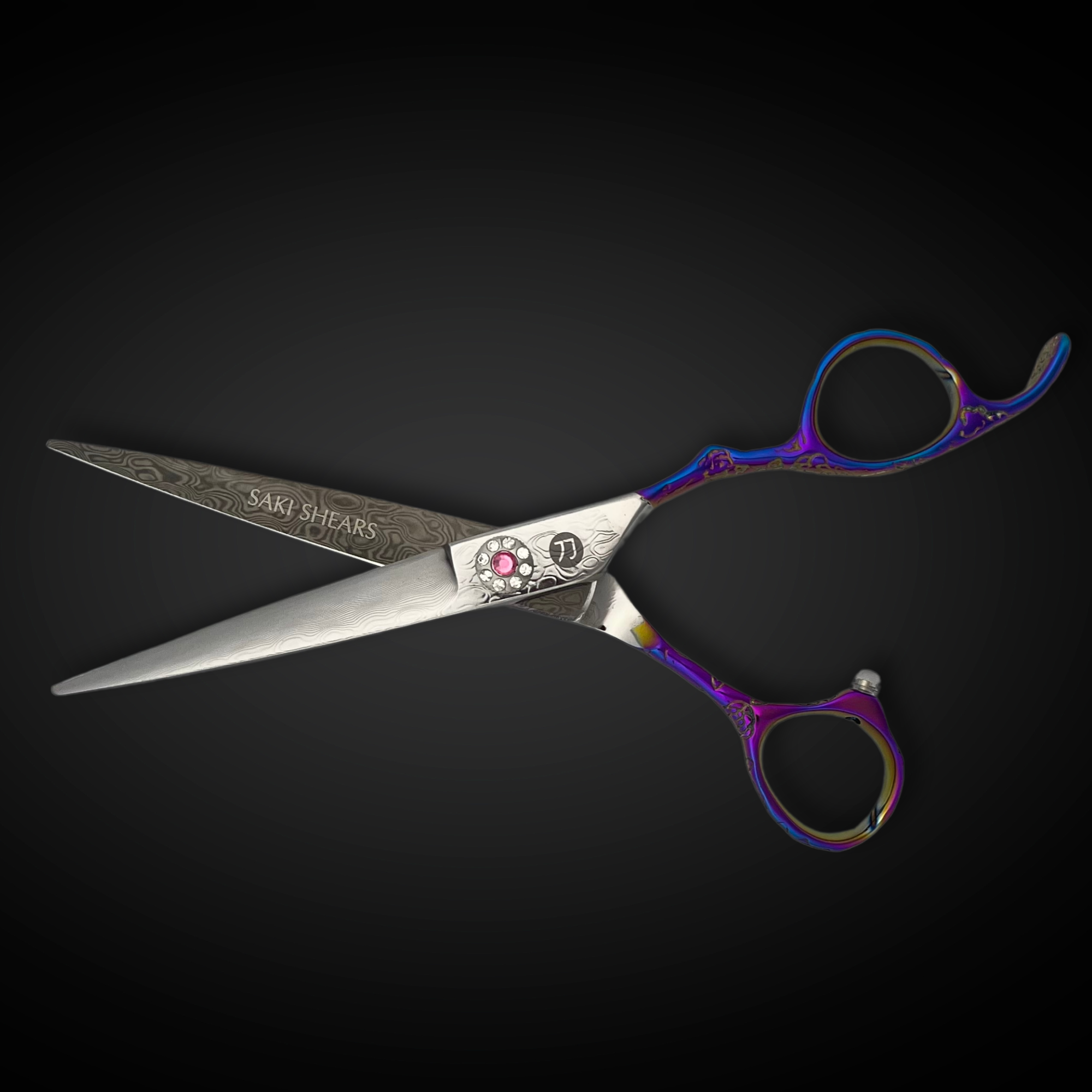
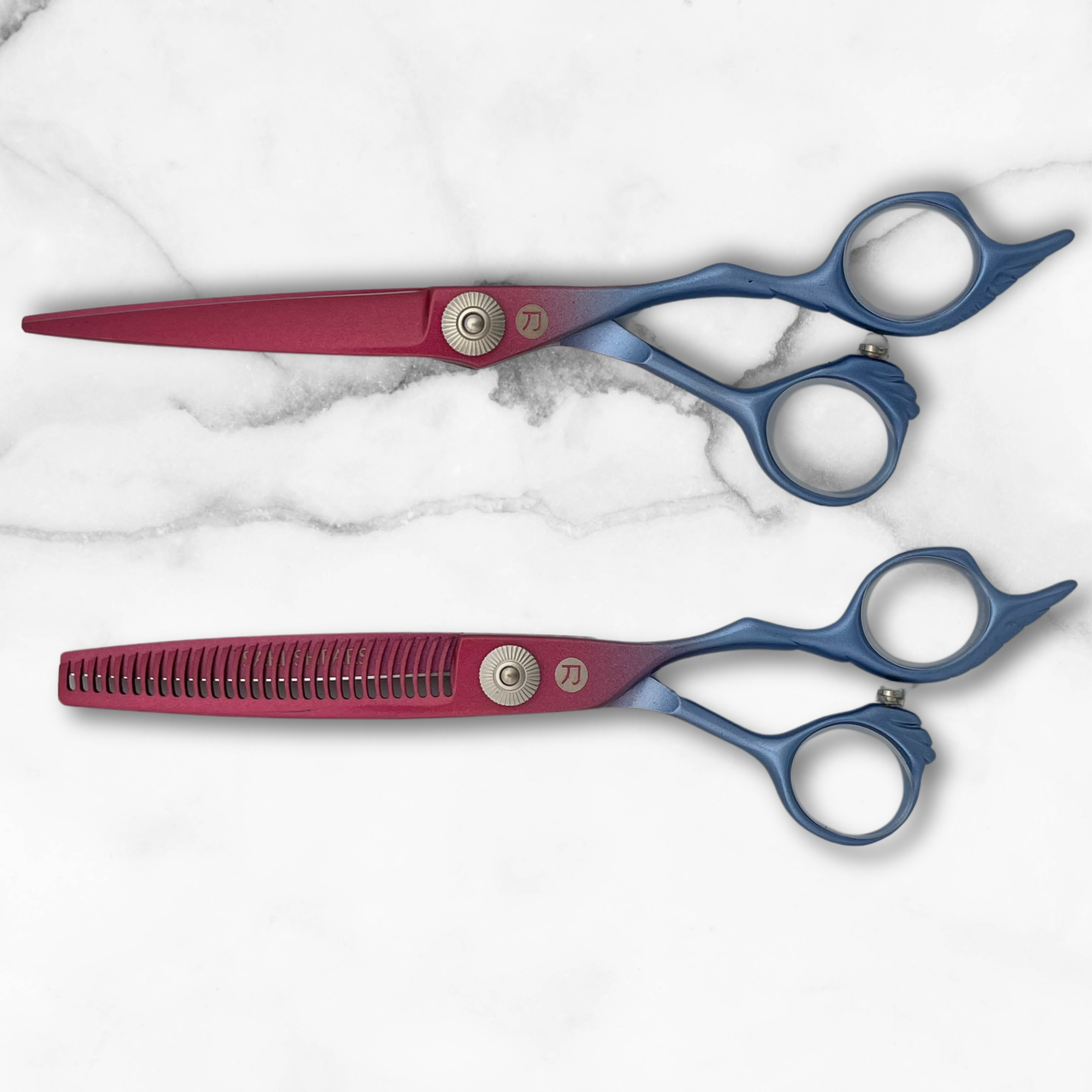
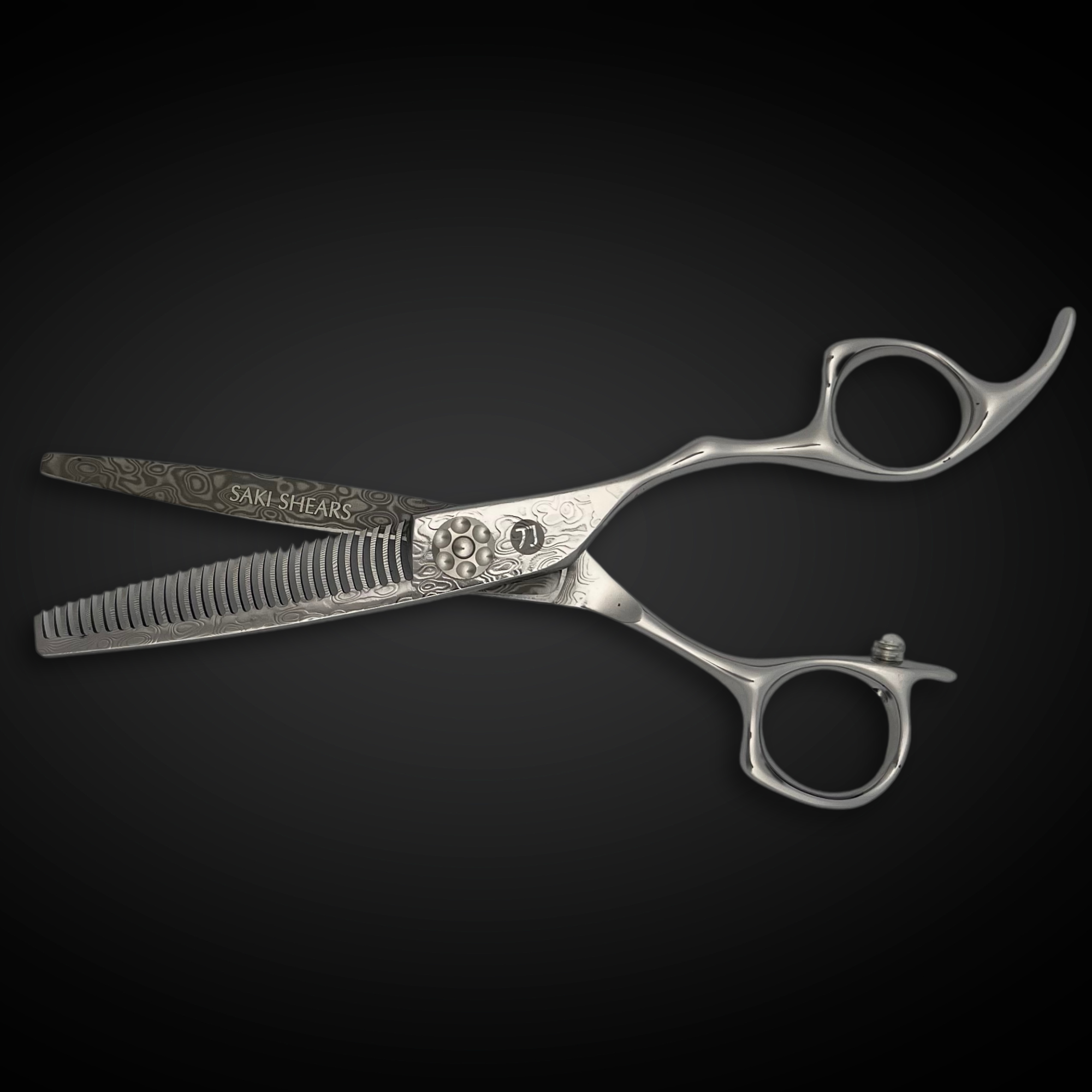
Where the client wants a tapered or faded side rather than a uniform length, blend the taper into the parted top gradually rather than cutting the top length and the taper as two separate zones. Use point cutting or texturizing shears at the boundary between the top length and the taper to soften the transition, checking from a low angle to catch any visible shelf where the two lengths meet. Cutting shears with a fine edge make this boundary work cleaner than pushing the clippers too high into the top length.
Finishing the Part
Finish by combing the part dry, in the same direction it was cut, to confirm the line holds without heavy styling product. A side part that only holds together with a heavy application of product usually indicates the length distribution or taper was cut too aggressively for the client's hair density or texture. Light finishing work with thinning shears along the crown can reduce bulk that fights the part's direction, without shortening the length needed to maintain it.
Common Errors
- Cutting against the natural fall instead of confirming it first, which forces the client into daily product dependence to hold the part.
- Letting the parting line curve or drift by not re-combing directly along it during the cut.
- Tapering the short side too aggressively relative to the length left on the long side, producing an unbalanced silhouette.
- Treating the top length and the side taper as unrelated zones instead of blending the boundary between them.
Done correctly, a side part should hold its shape with a comb and minimal product, and the parting line should read as clean from the front hairline through the crown. That durability under normal styling, more than any single technique step, is what separates a well-executed side part from one that only looks finished in the chair.

Scritto da Charles Harris