Corrective Cutting: A Stylist's Guide to Bad Haircuts
Assessing a Corrective Cut Before You Touch the Shears
A new client walks in unhappy with a previous haircut, and the temptation is to start cutting immediately. Resist it. Corrective work starts with a dry assessment: have the client's hair down and undisturbed, and evaluate the cut in its natural fall before wetting or combing anything. Wet hair hides unevenness that becomes obvious once it dries and falls back into its natural texture, so any correction plan built on a wet assessment risks missing the actual problem. Check the perimeter line, the layer structure, the part, and the density distribution separately — a bad haircut is rarely one mistake, it's usually two or three compounding issues that need to be addressed in the right order.
Ask what the client's daily styling routine looks like and how much length they're willing to lose. A technically ideal correction that takes another two inches off may not be the right call for a client who came in specifically hoping to preserve length. Corrective cutting is a negotiation between what the hair needs structurally and what the client will accept, and that conversation belongs before the first cut, not after.
Uneven Layers
Uneven layering is the most common complaint you'll see, usually from a previous cut done with inconsistent tension, inconsistent elevation, or sections that weren't cross-checked. Before correcting, re-section the head and cross-check the existing layers against a fresh guide — pull sections both vertically and horizontally to find where the layer line breaks. Often what looks like "uneven layers" is actually inconsistent elevation: sections cut at 90 degrees in one area and 45 degrees in another, which produces conflicting weight lines that don't blend no matter how carefully you point cut afterward.
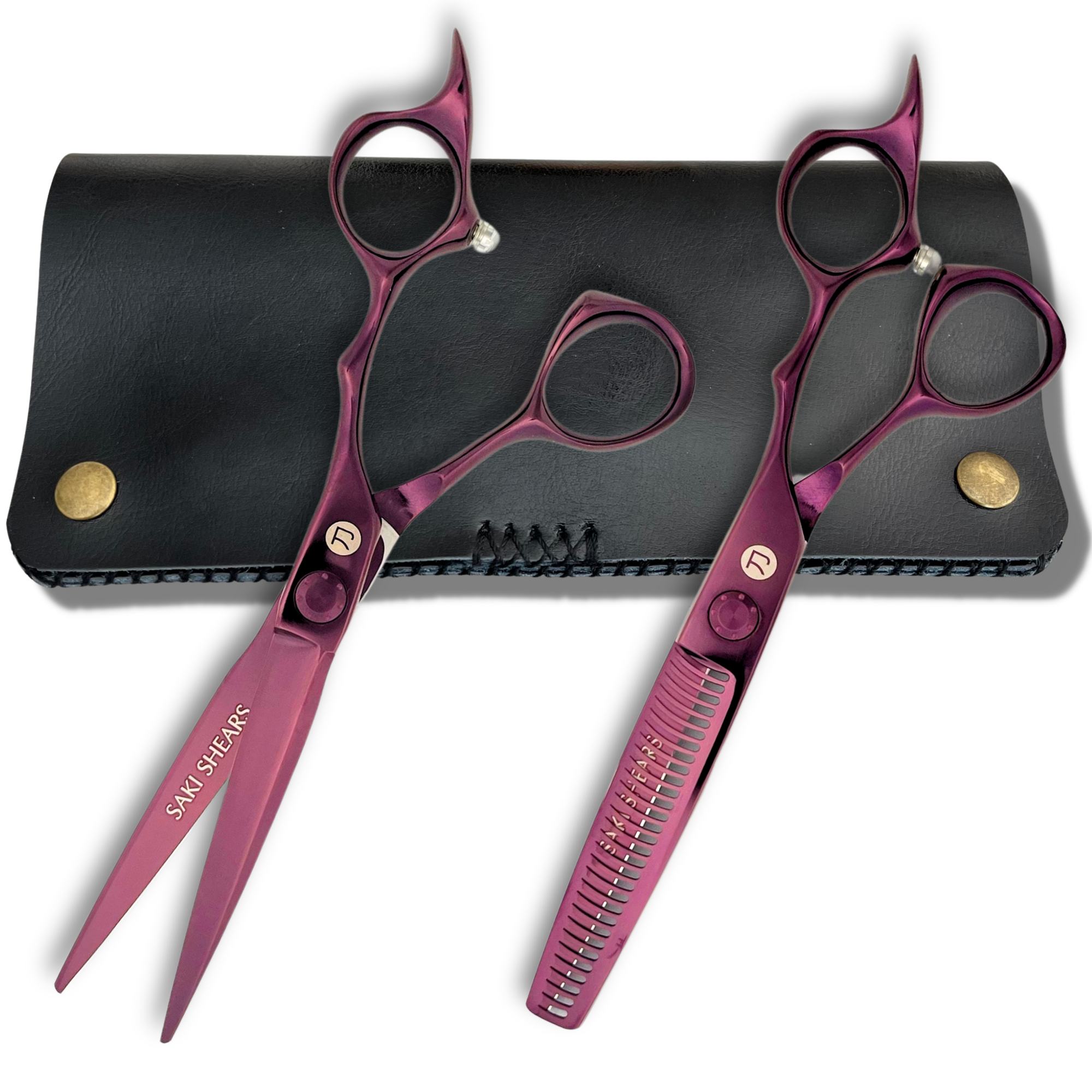
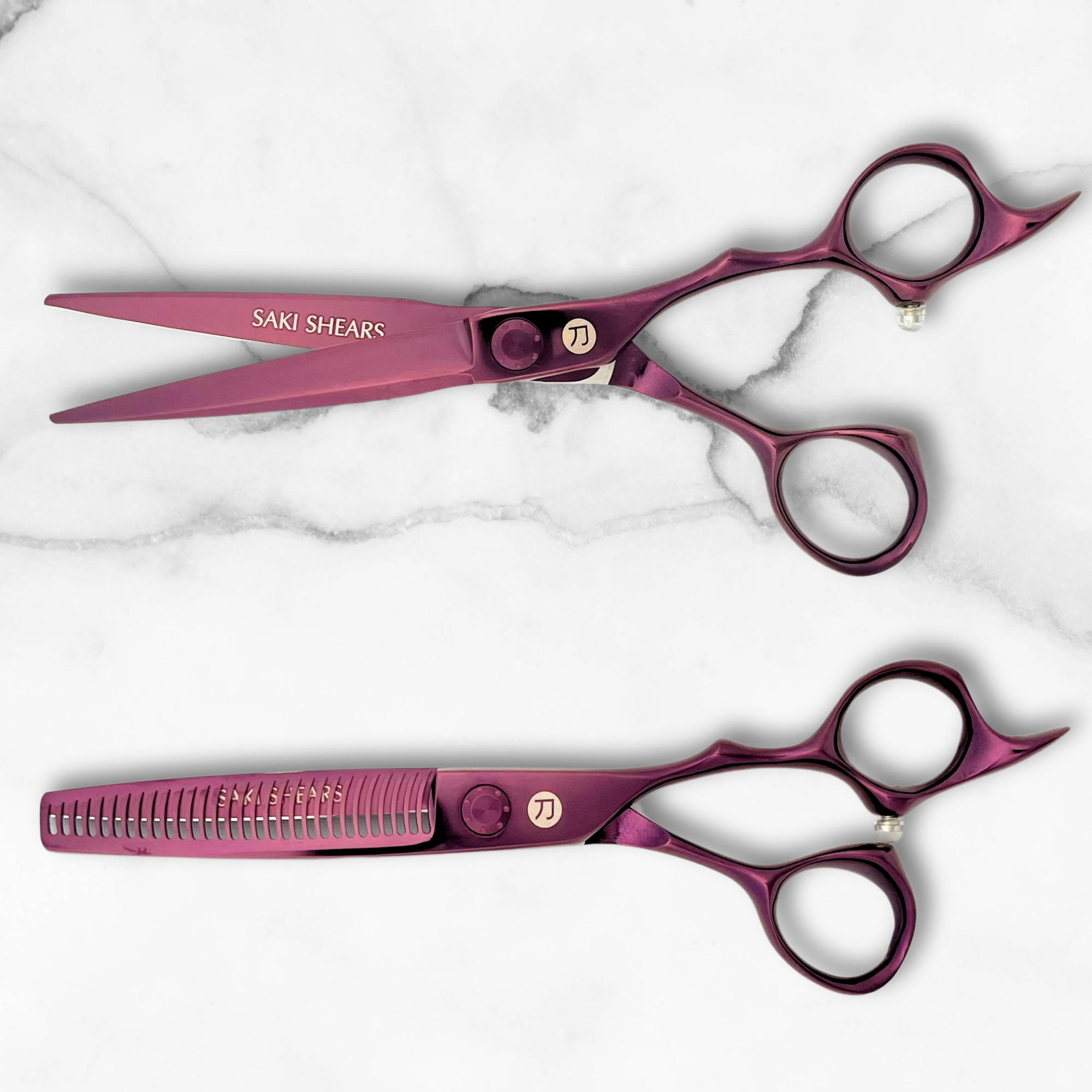
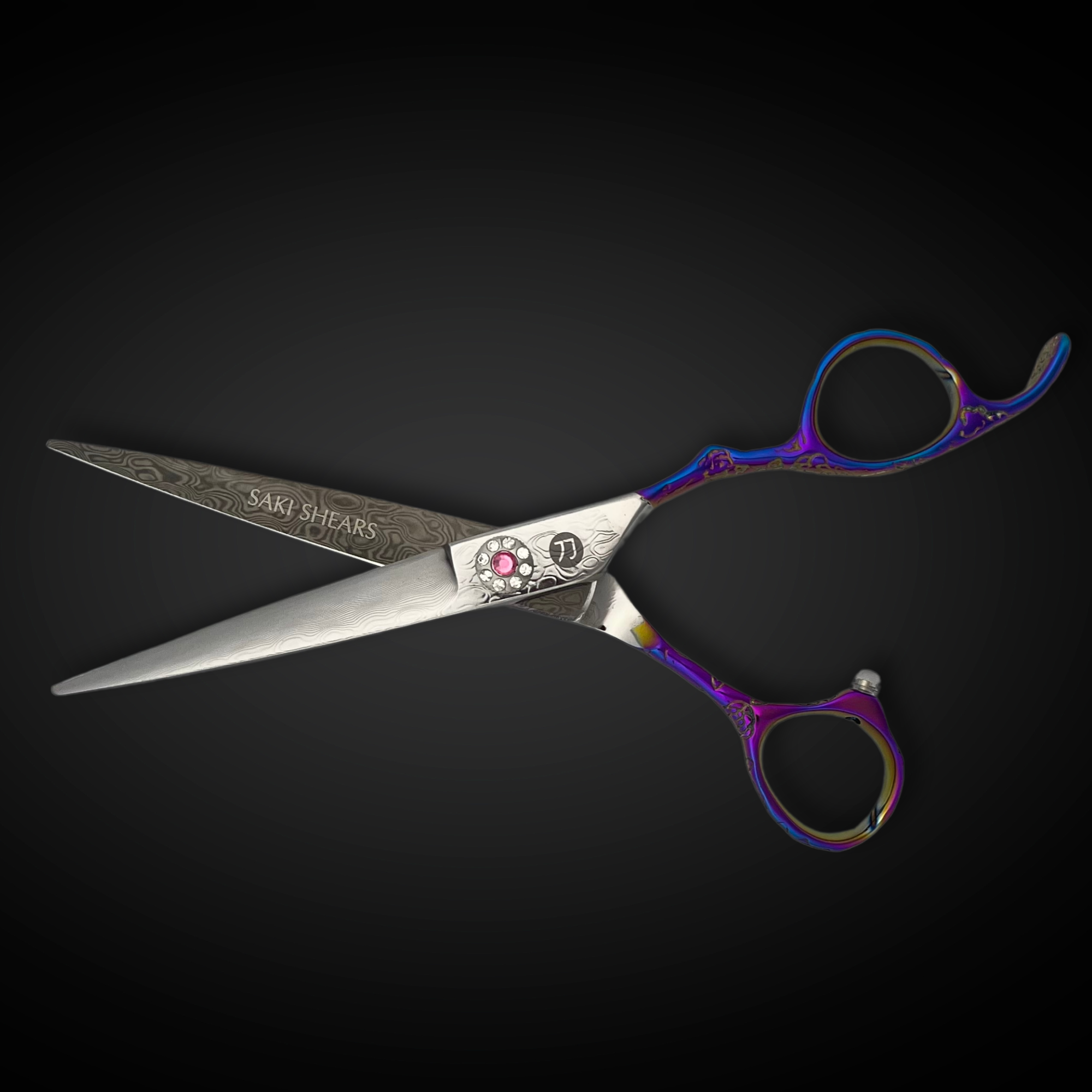
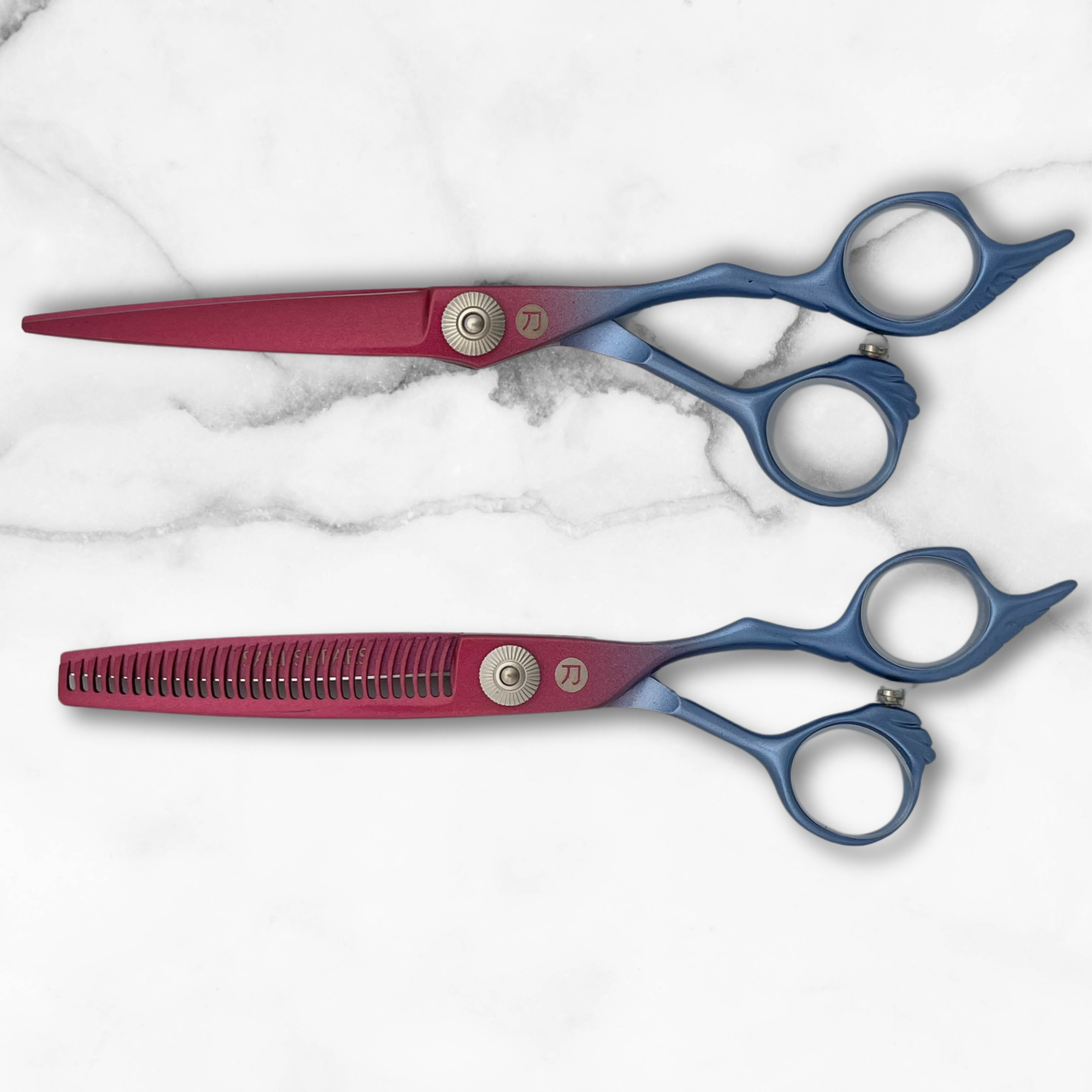
Correct uneven layers by first establishing a clean, consistent guide at the shortest workable layer, then rebuilding outward with even elevation and consistent tension. Don't try to blend into the unevenness — recut through it. A shear with a tight pivot and consistent tension across the blade makes it easier to hold a stable guide while re-sectioning; a shear with any play in the pivot will drift slightly on every cut, which is exactly the kind of inconsistency that caused the problem in the first place. Our hair cutting shears collection includes options built for the kind of repeated, precise sectioning corrective work demands.
Over-Thinned Sections
Over-thinning is a slower problem to fix than uneven length because you can't add hair back. When a client comes in with sections that have been thinned too aggressively — usually from overuse of thinning shears too close to the scalp, or too many passes through the same section — the priority is stopping further thinning, not attempting to disguise it in one visit. Identify exactly where the thinning was concentrated; it's often isolated to the crown or around the face where a previous stylist was trying to remove bulk or manage cowlicks.
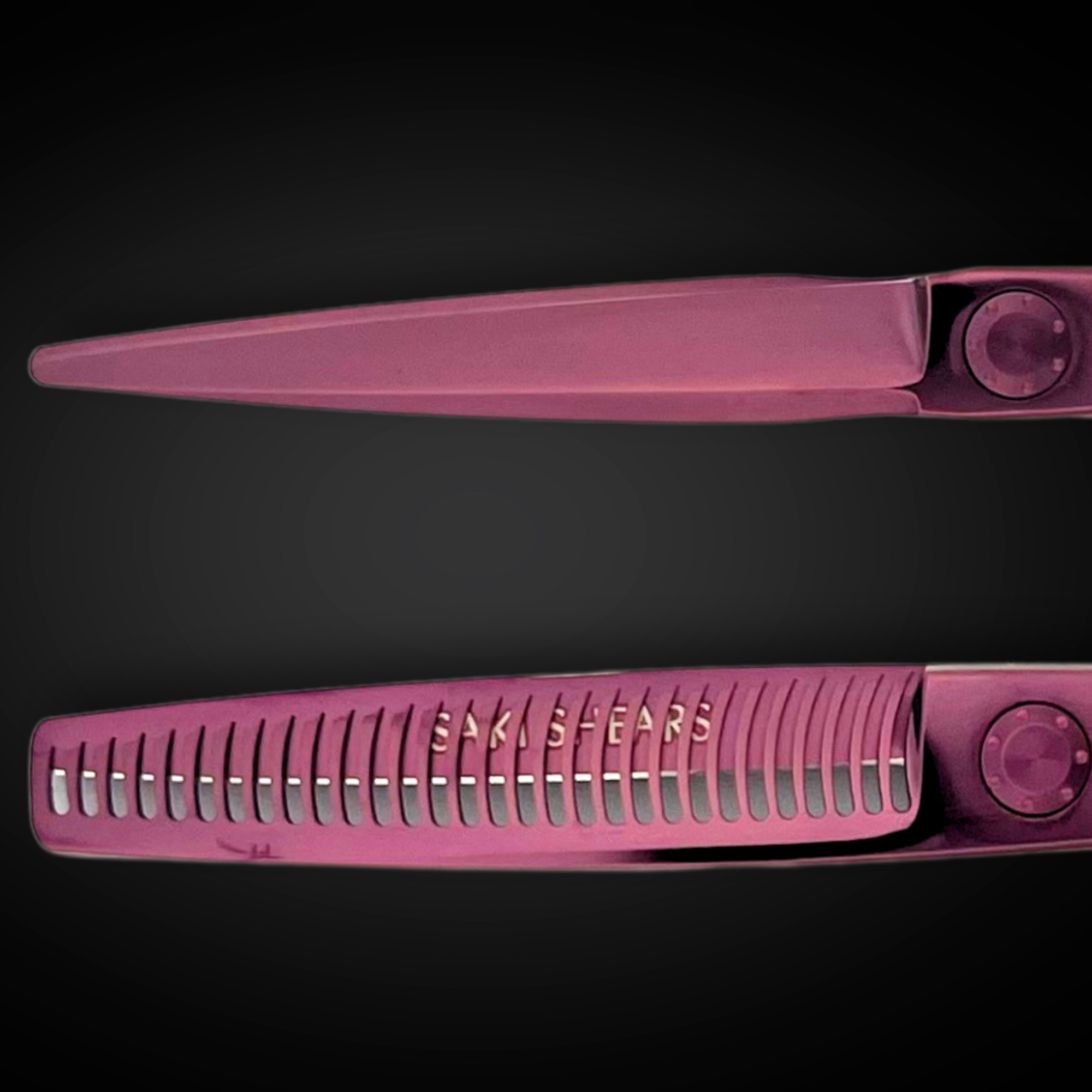
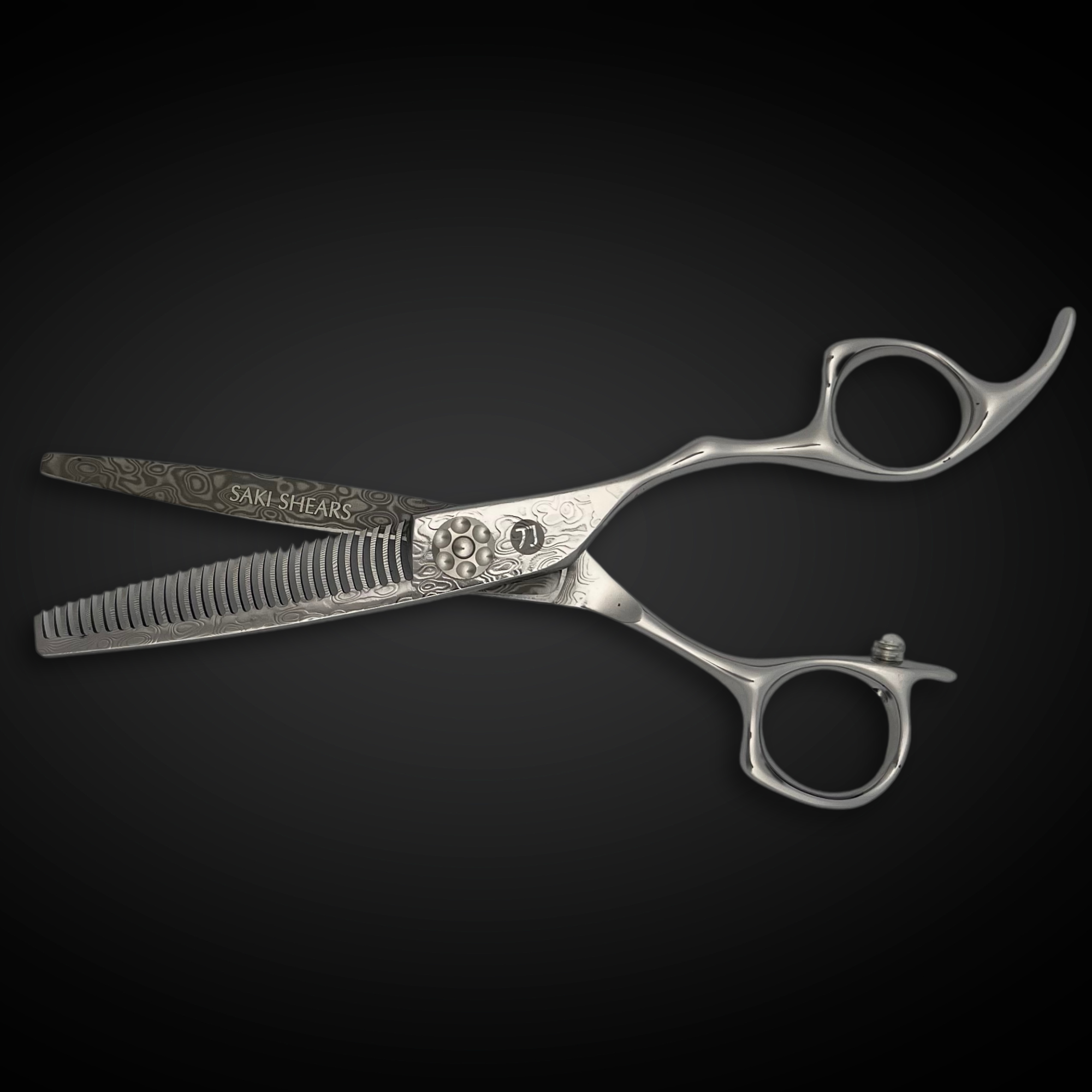
The correction strategy is to blend the surrounding density into the thinned area rather than thinning the rest of the head to match — thinning further compounds the damage. Use point cutting sparingly and only at the ends to soften the transition, and avoid any texturizing tool in the thinned zone until new growth has had time to fill in. If thinning shears are part of your process going forward, keep the passes shallow and always cut mid-shaft to ends, never near the root, and reserve your finer-tooth blades for controlled finishing work rather than bulk removal. See our thinning shears and scissors collection for blades suited to that kind of controlled, shallow texturizing.
Botched Bangs and Fringe
Fringe corrections are unforgiving because there's minimal length to work with and the result is the most visible part of the cut. When bangs have been cut too short, too blunt, or asymmetrically, resist cutting further to "fix" the imbalance — every additional cut removes more of your margin. Start by assessing whether the asymmetry is real or a result of the client's natural part and growth pattern; have them shake their hair out and let it settle before deciding anything is actually uneven.
For genuinely uneven fringe, correct by point cutting into the shorter side to soften the harder line rather than cutting the longer side down to match — matching length by cutting down should be a last resort, used only when the asymmetry is too pronounced to blend. For bangs cut too short across the board, your main tool is softening the line with point cutting and framing the fringe into face-framing layers that blend it into the rest of the cut, buying the client time to grow it out without an awkward, blunt edge.
Asymmetry Beyond the Fringe
Whole-head asymmetry — one side heavier or longer than the other — often comes from a previous stylist cutting with the client's head tilted, or from inconsistent parting during the original cut. Before correcting, have the client sit with their head level and their natural part in place, and use a fixed reference point, like the center back or a level line across the nape, to check both sides against each other rather than checking each side in isolation.
Correct by cutting to the shorter side wherever possible, since restoring symmetry by cutting down preserves the layer structure already in place on that side. Cross-check constantly by combing sections straight down on both sides and comparing length at matching points — asymmetry correction is one of the few places where over-checking is better than moving fast.
Setting Expectations for a Multi-Visit Correction
Not every corrective cut finishes in one appointment, especially where over-thinning or a severely botched fringe is involved. Be direct about what's achievable today versus what needs a follow-up visit once more length has grown in. A correction that forces a finished result in one sitting tends to re-introduce the same problems — rushed elevation, inconsistent tension, further thinning — that caused the original damage. Shear maintenance matters more on corrective work than on routine cuts, since you're making more precise, judgment-heavy cuts per section; check our full shears collection for options suited to detail-heavy correction work.

Scritto da Charles Harris