Step-by-Step: Creating Loose, Tousled Waves for Clients
Loose, tousled waves are one of the most requested finishing looks in the chair, and they read as effortless only when the underlying technique is precise. This guide breaks down a repeatable, in-salon method for creating soft, undone-looking waves on a client, from sectioning through finish work.
Assess and Prep the Client's Hair
Before touching an iron, evaluate the client's hair type, density, and current condition. Fine hair holds a looser bend and drops faster, so smaller sections and a slightly lower iron temperature preserve the wave pattern longer. Coarse or resistant hair can take a higher heat setting and larger sections without losing definition. Hair should be fully dry and detangled. If the client came in with product already in the hair, a light clarifying rinse or blow-dry reset gives you a clean base and more predictable results.
Section for Control
Working in defined sections keeps the wave pattern consistent across the whole head instead of drifting from tight curls at the crown to flat ends elsewhere. Part the hair into four quadrants using clips, then subdivide each quadrant into horizontal sections roughly one to one and a half inches deep, depending on density. Thinner sections produce a more defined wave; thicker sections produce a looser, more textured result. Keep unused sections clipped away from the working area so heat and product only reach the strand you're styling.
Iron Technique for a Natural Bend
A flat iron or a curling iron with a clamp both work for this look; the technique matters more than the tool. The goal is to avoid a uniform, symmetrical curl, which reads as done rather than tousled.
- Take a clean section and hold it out from the head at a slight angle, not straight down.
- Clamp the iron about one to two inches from the root and rotate it a half turn away from the face.
- Glide the iron slowly down the length of the strand while maintaining the rotation, releasing the clamp just before you reach the ends so the tips stay soft rather than sharply curled.
- Alternate the direction of the bend on adjacent sections, some strands curled away from the face and some toward it, to break up uniformity and create a more organic pattern.
- Vary how close to the root you start the bend from section to section; starting some waves higher and others lower avoids a stacked, cookie-cutter look.
- Let each curled section cool and set before moving to the next; pin it loosely against the head if time allows, since hair holds a bend better once it's cooled in shape rather than while still warm.
Release and Break Up the Pattern
Once the whole head is curled and cooled, remove any pins and run your fingers through the sections to loosen the curl rather than brushing it out. A brush will smooth the bends into a single soft wave, which can look nice but isn't the tousled result most clients are asking for. Finger-separating preserves more texture and irregularity. For an even more undone finish, take a few strands near the face and around the crown and gently pull them looser than the rest.
Finishing Approach
Finish with a lightweight texturizing or working spray applied at mid-lengths and ends rather than the root, which keeps movement without weighing the wave down. A small amount of dry or matte-finish styling product worked through with fingertips can add grip and separation, particularly on finer hair that tends to fall flat. Avoid heavy, high-shine products on this style, since they smooth the hair cuticle and make the waves look more uniform and less textured. Use whatever texturizing or finishing products your salon already stocks; the priority is a light, evenly distributed application rather than any specific product category.
Client Communication and Maintenance
Set expectations with the client before you start: tousled waves are meant to look slightly imperfect, and the style will continue to relax and soften over the following hours, which is part of the intended effect rather than a sign the style is falling out. For clients who want to recreate the look between salon visits, recommend they work with dry or day-old hair, since freshly washed hair holds a bend less readily. A quick refresh with a small amount of texturizing product and finger-tousling is usually enough to revive the shape.
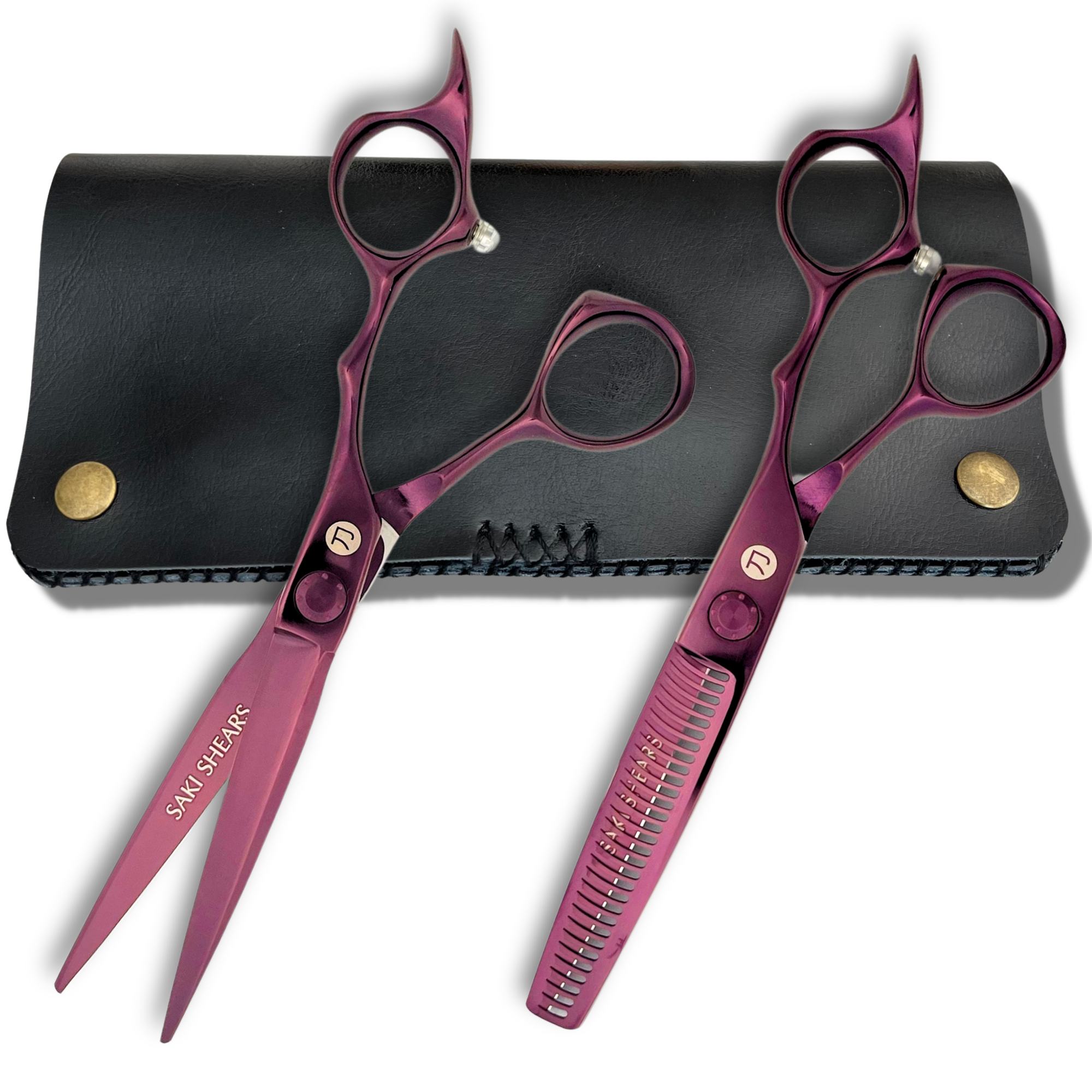
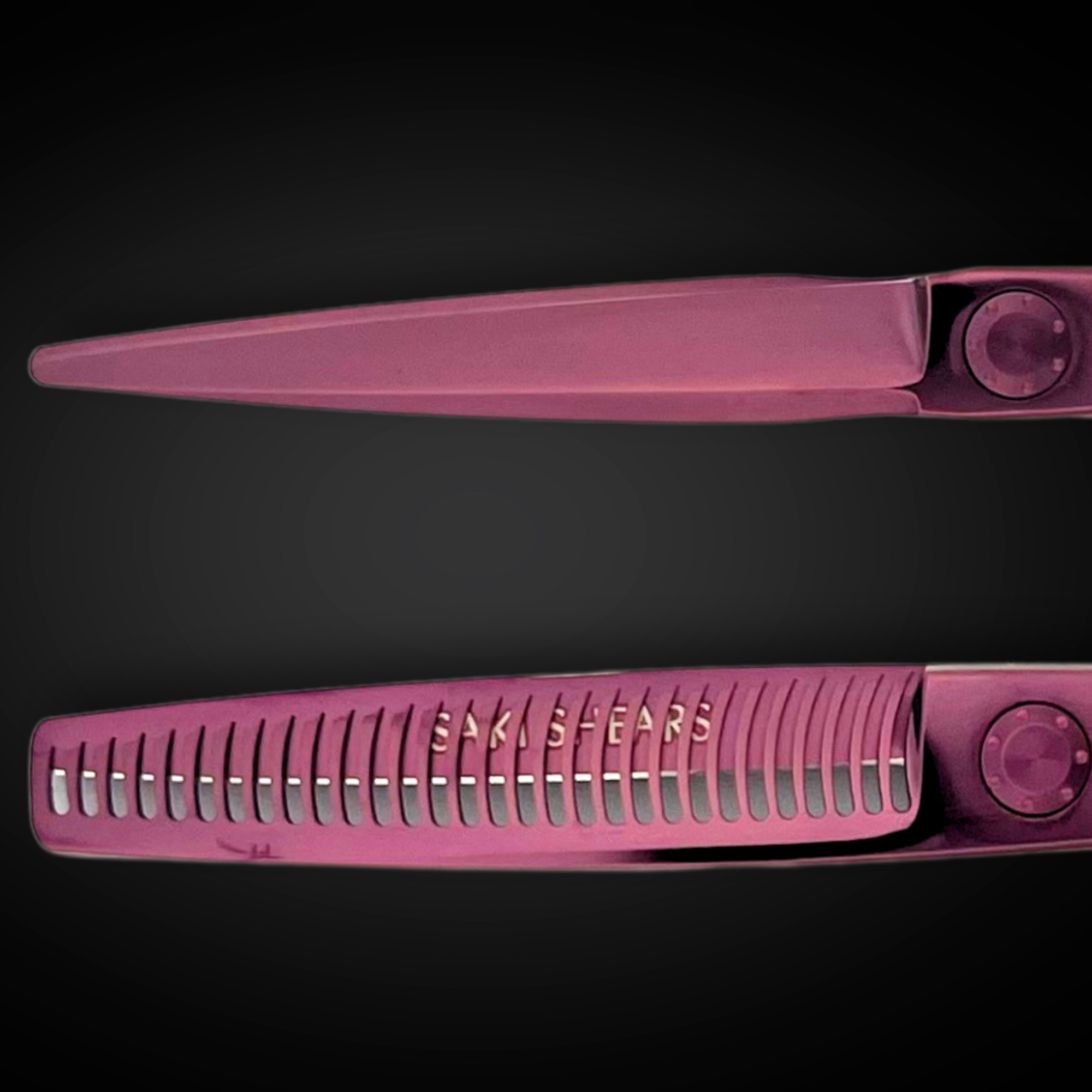
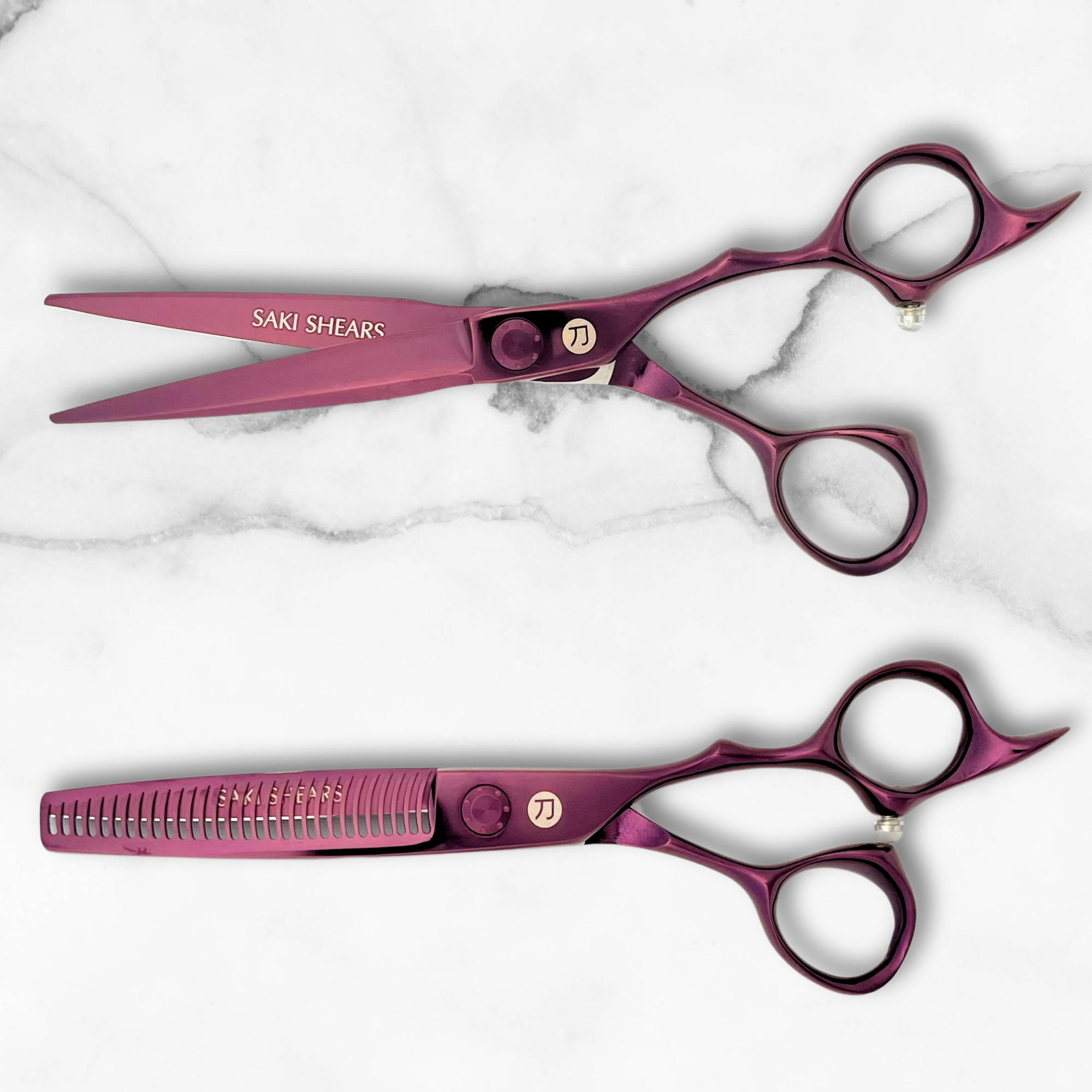
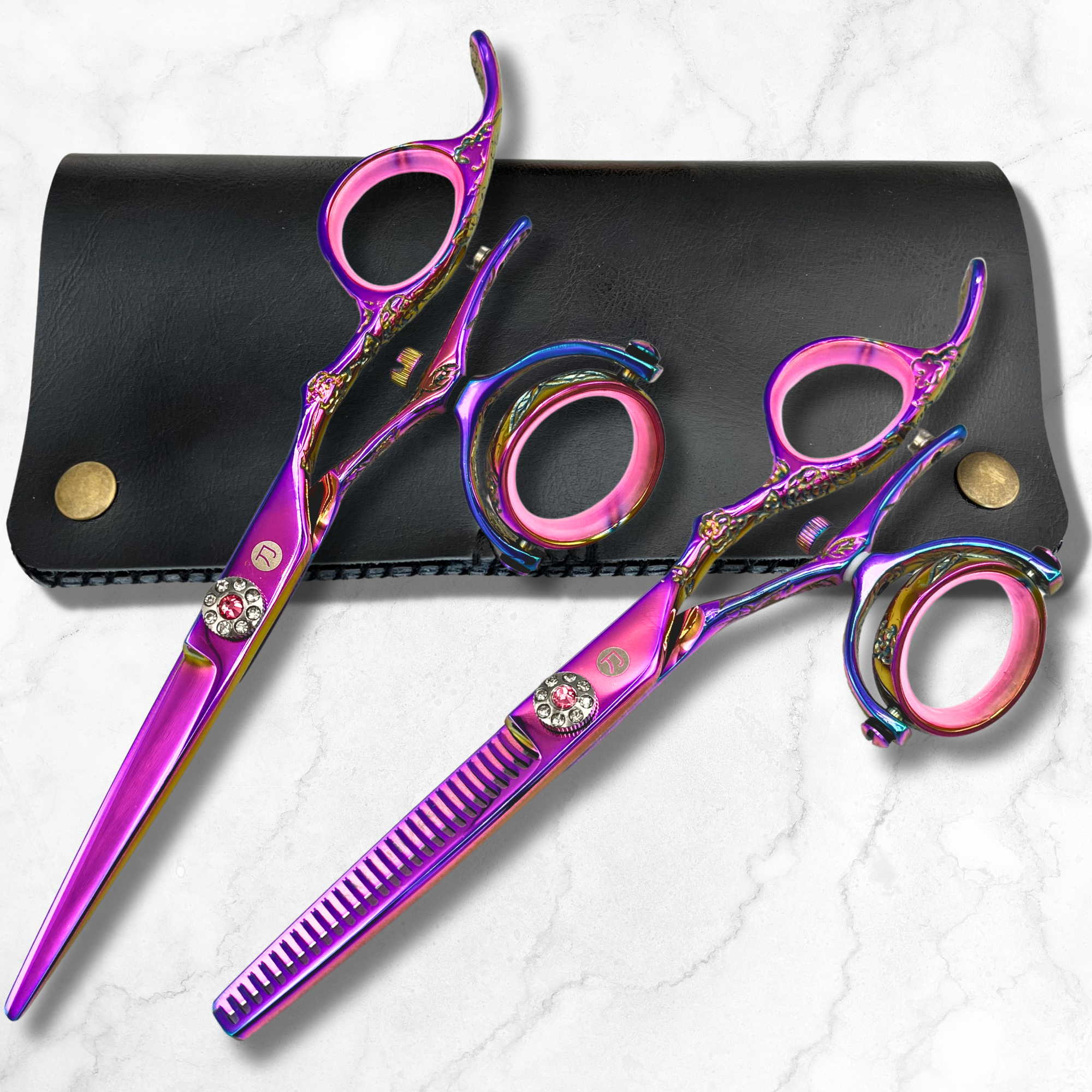
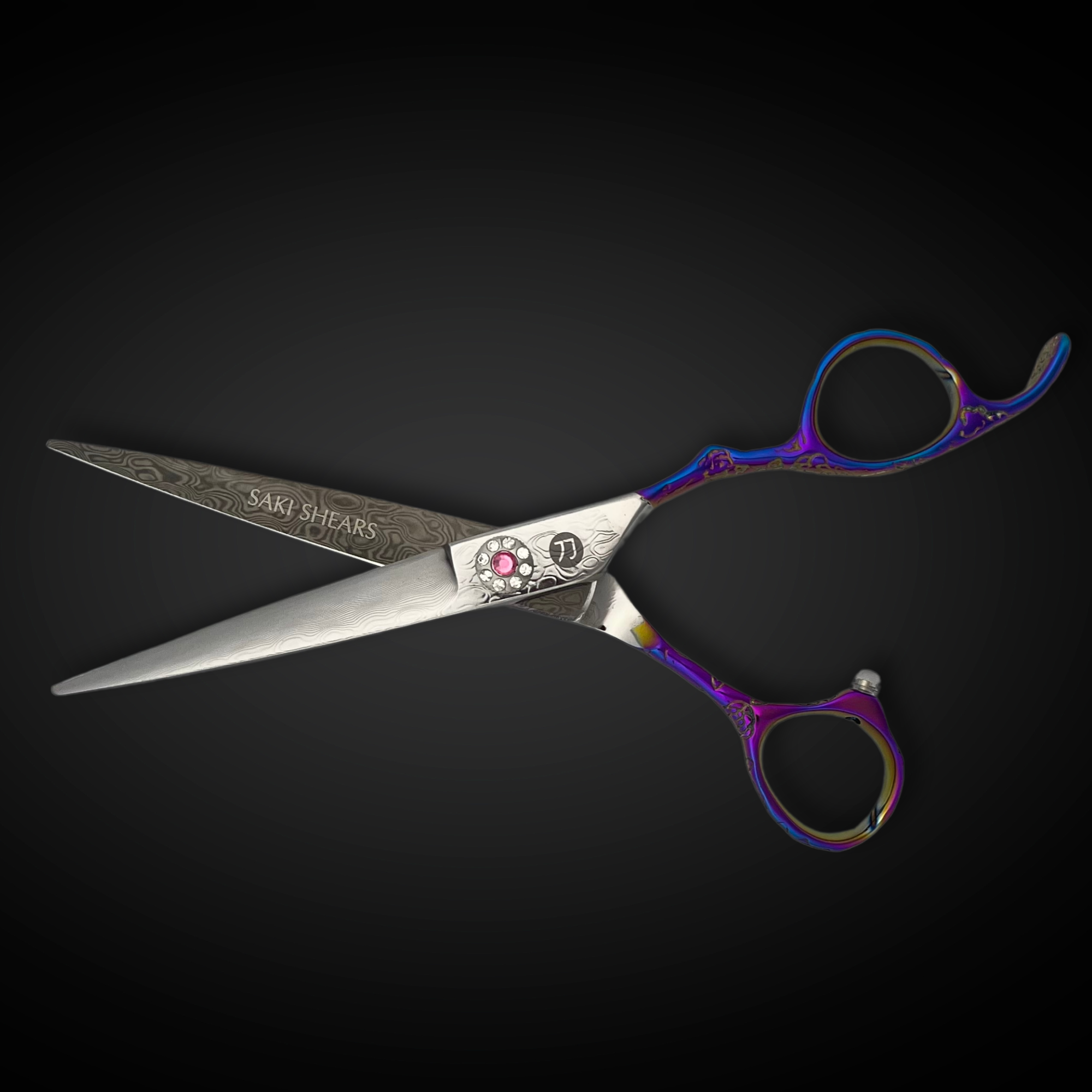
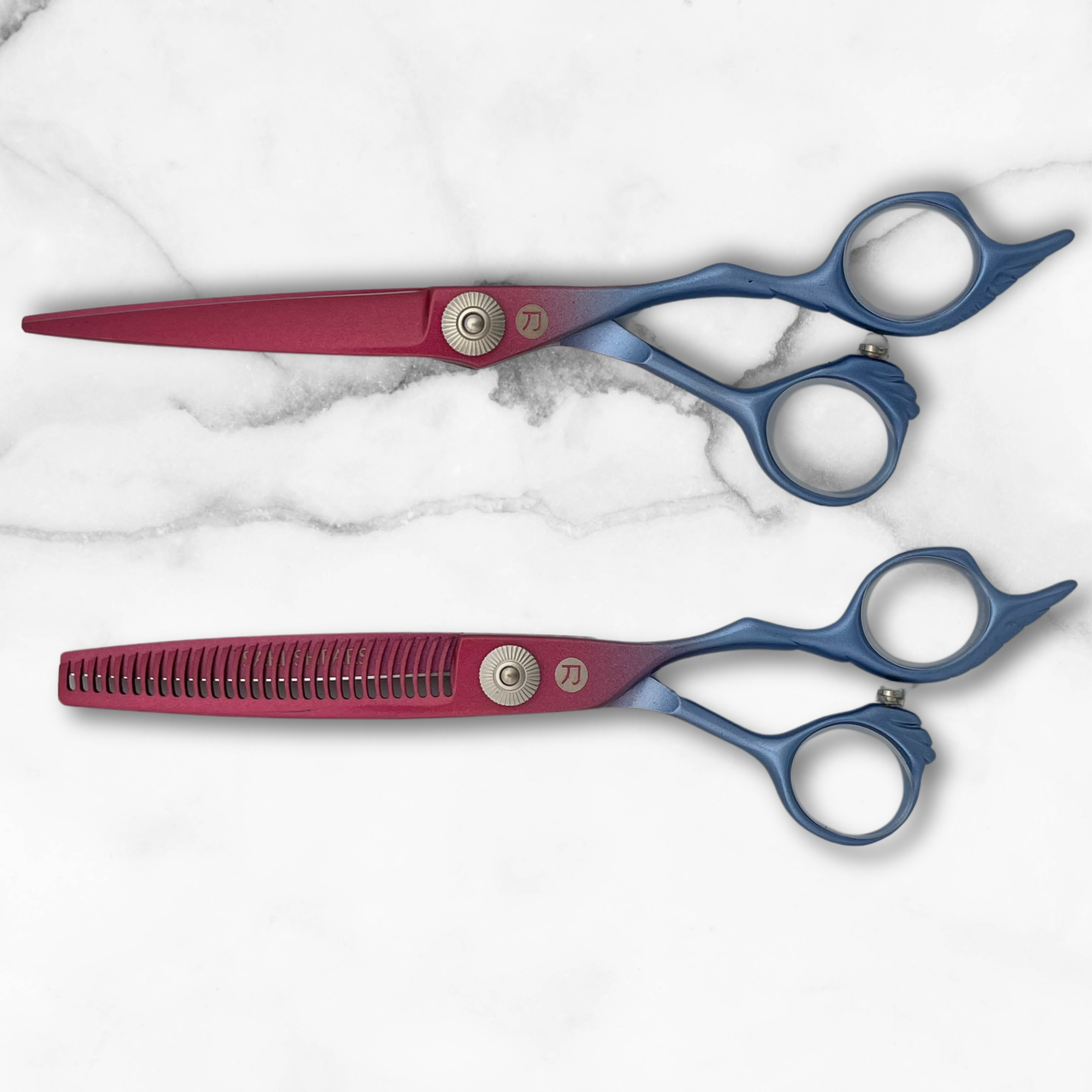
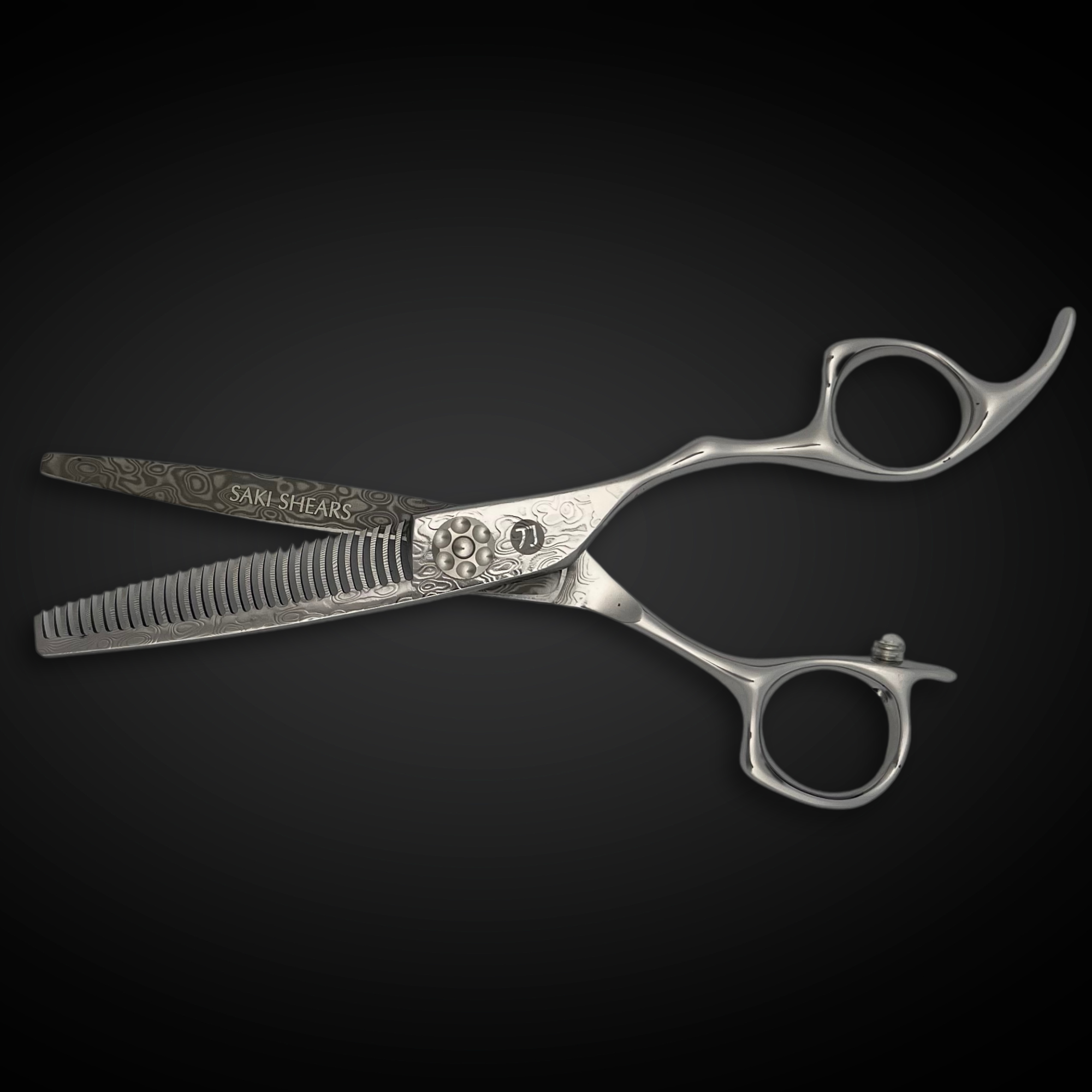
Consistent, well-maintained tools make a measurable difference in how cleanly hair sections and how evenly heat is distributed during styling work. Well-kept cutting and thinning shears also make it easier to pre-shape layers that support movement in the finished style. Browse our hair cutting shears and thinning shears collections to see the options available for building texture into a cut before styling begins.

Written by Charles Harris