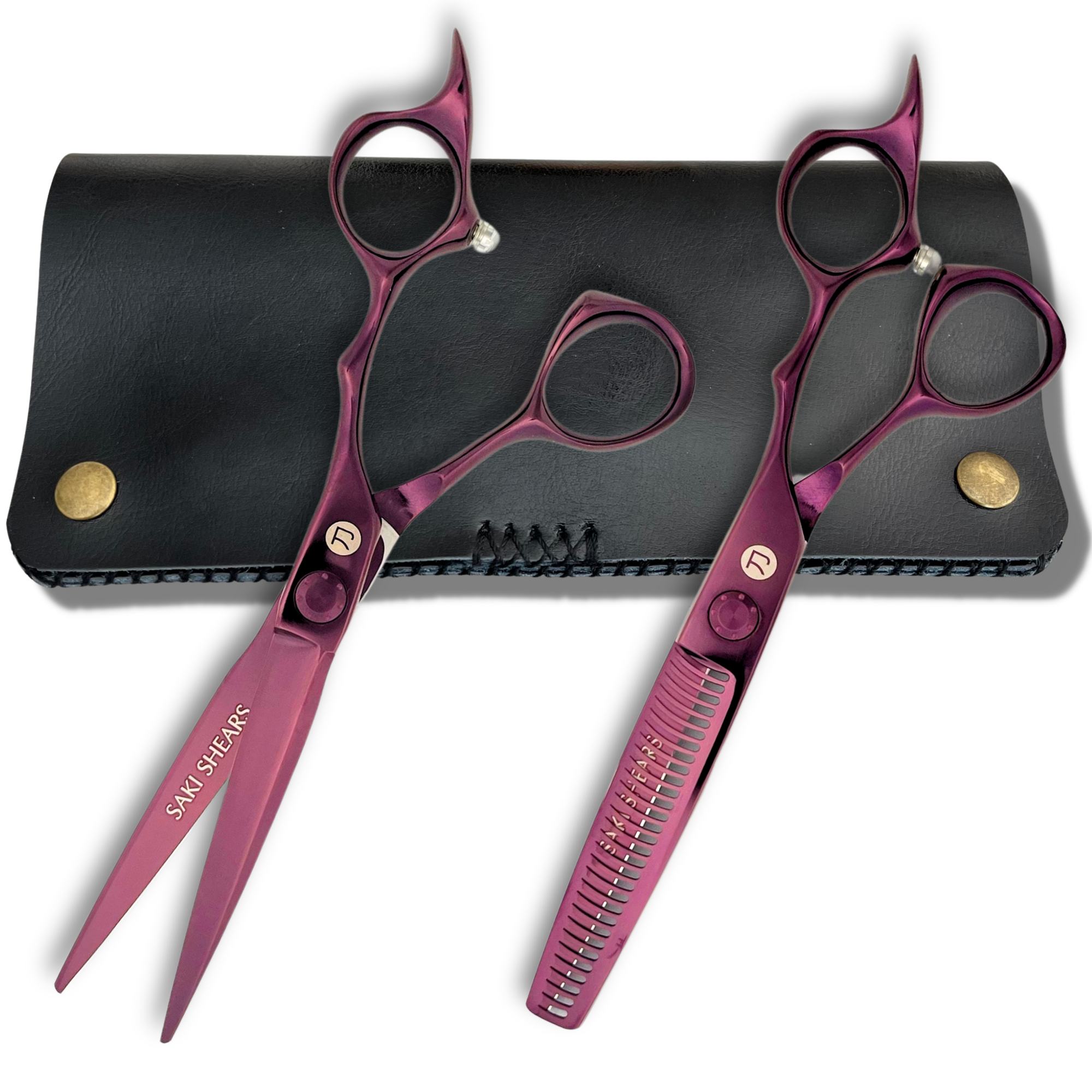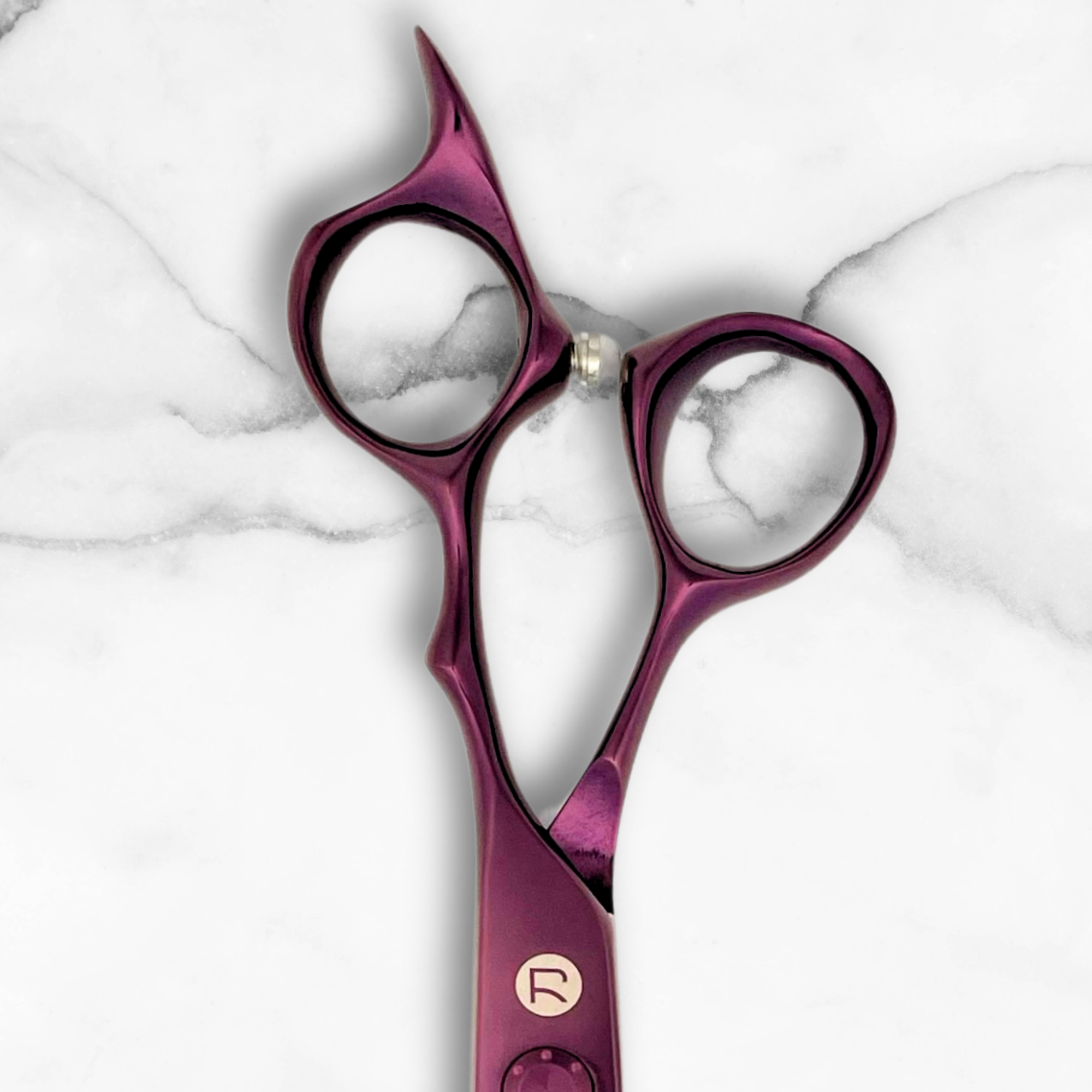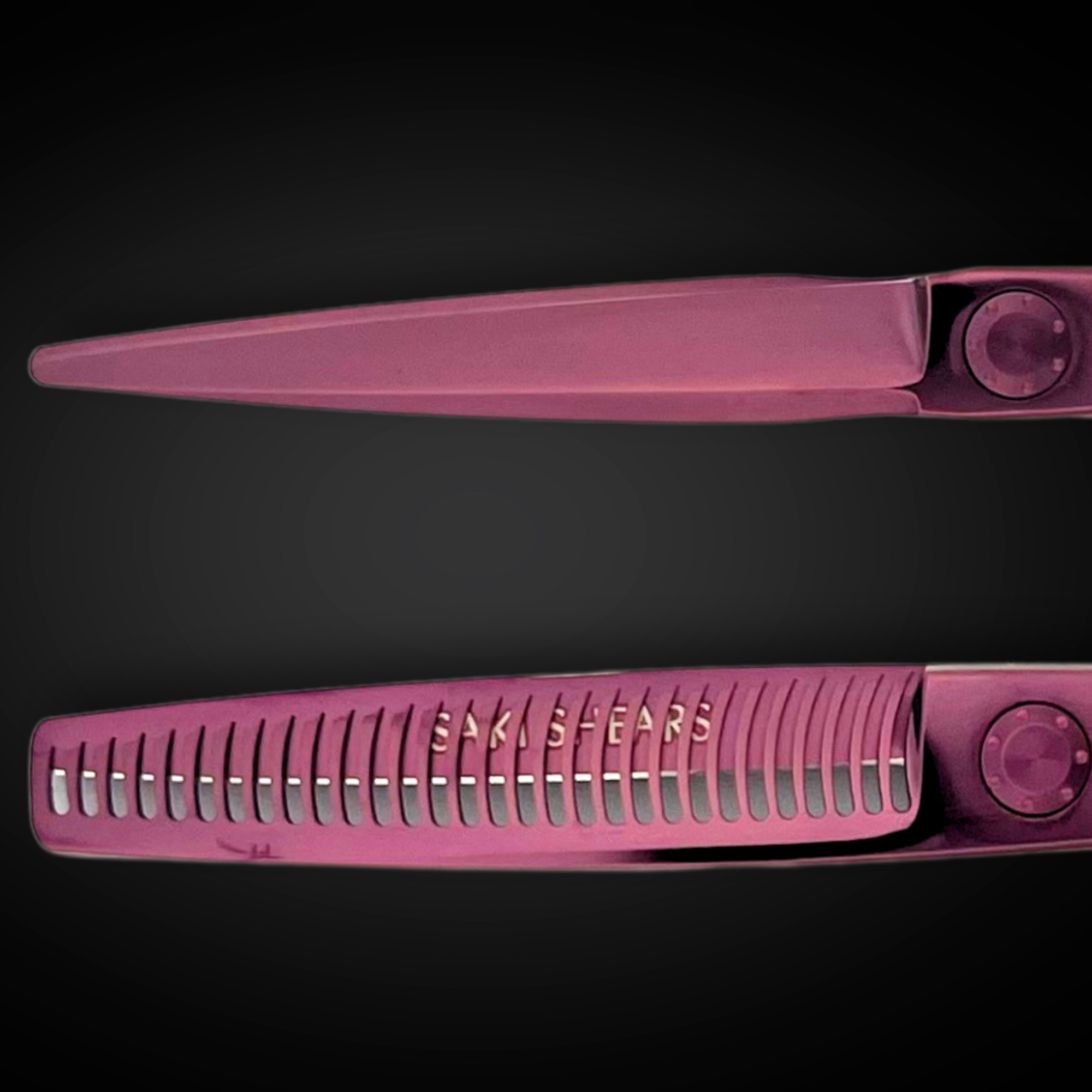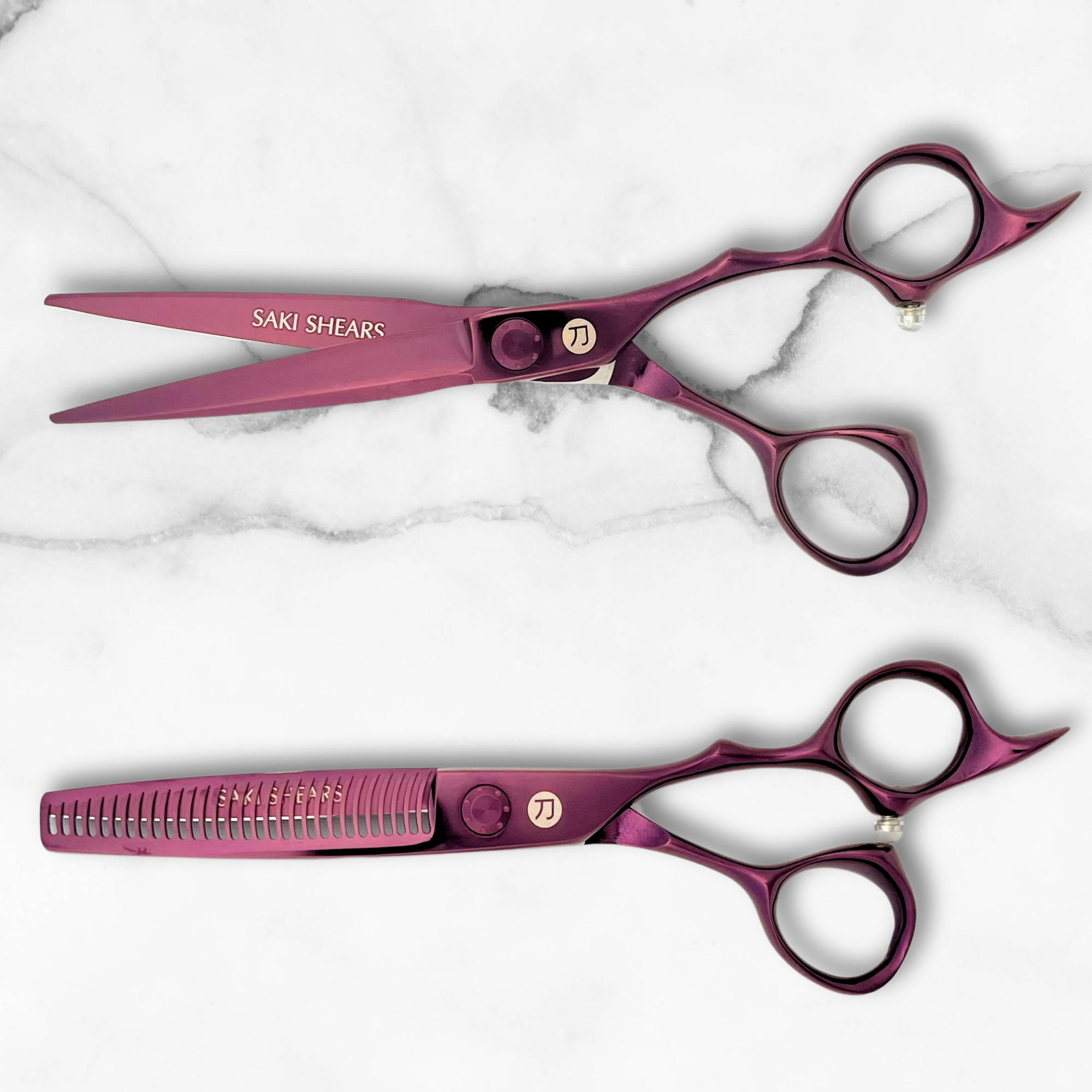
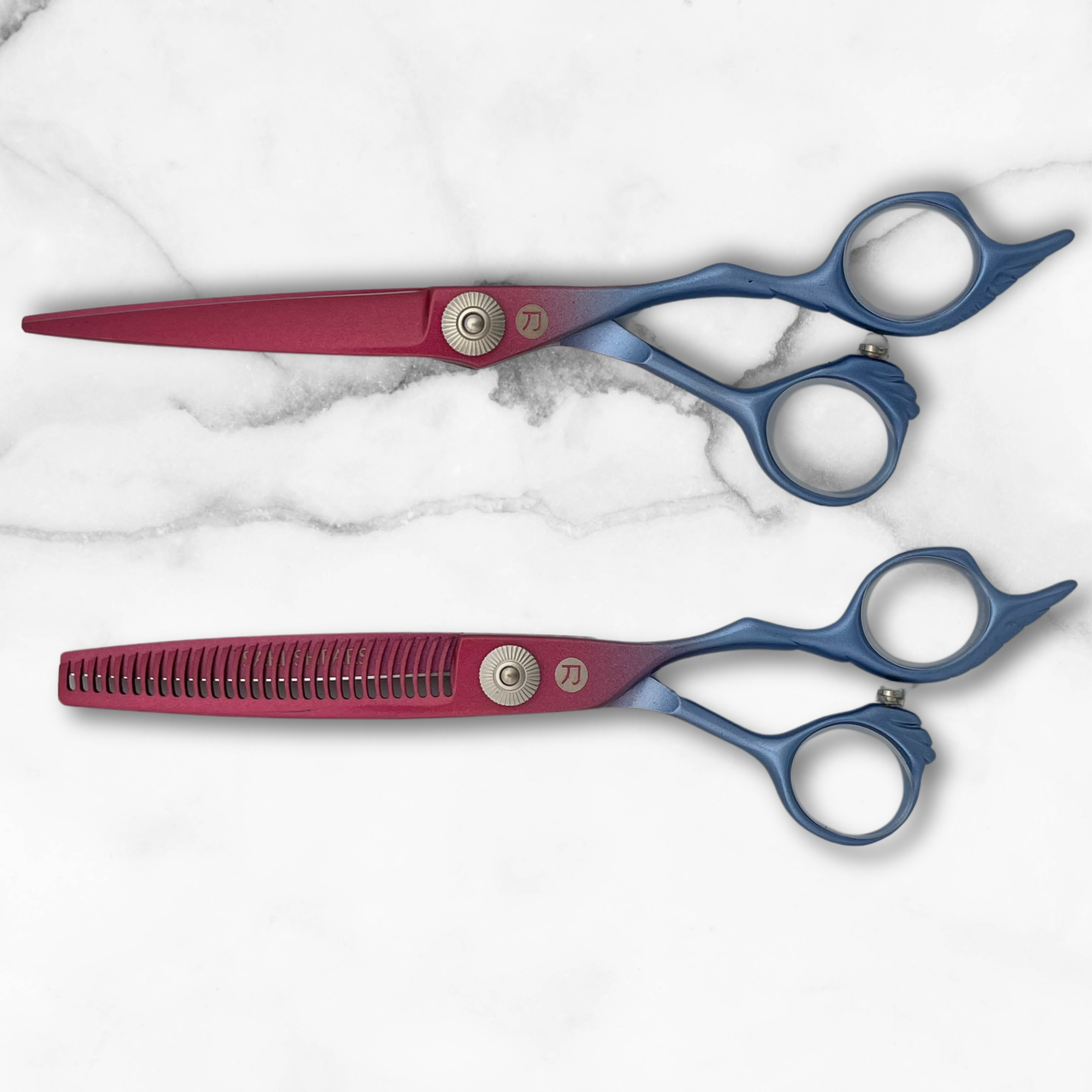
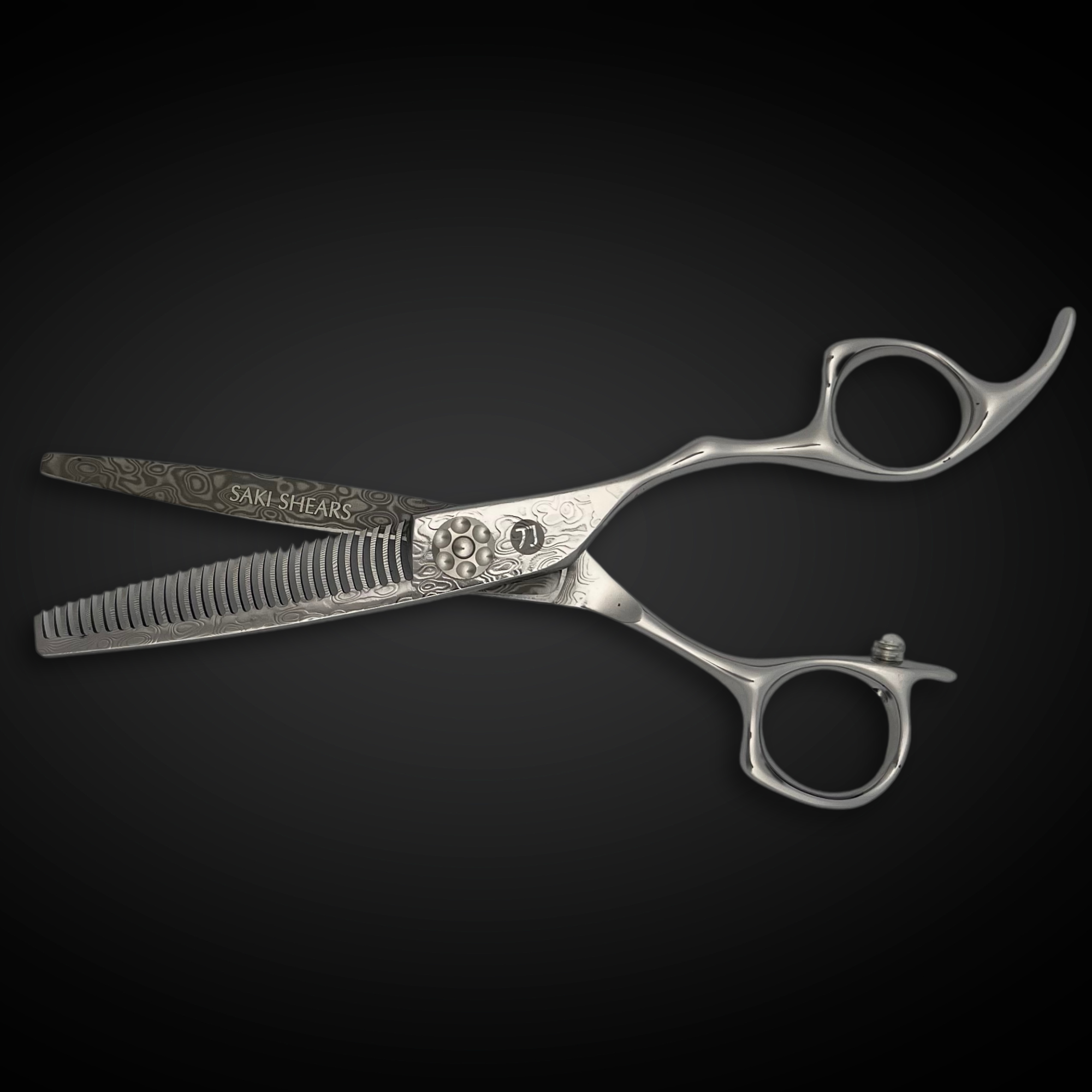
Why Japanese Steel Has Such a Strong Reputation for Hair Shears
Ask a room full of stylists where the best hair shears come from, and Japan comes up more than any other country. That reputation is real, and it is earned, but it is worth understanding why it exists rather than treating it as a simple, unqualified fact. "Best" is subjective and depends on what a given stylist needs from a tool. What is not subjective is that Japanese steel and shear-making traditions have a long, well-documented track record that explains the reputation.
A Steelmaking Tradition Built on Centuries of Bladesmithing
Japan's standing in cutting tool manufacturing traces back to its long history of bladesmithing, most famously in swords, but also in knives and other edged tools. Japanese smiths developed detailed methods for selecting, folding, and heat-treating steel to balance two properties that are normally in tension: hardness, which lets an edge stay sharp, and toughness, which keeps that edge from chipping or cracking. Getting this balance right requires both material knowledge and hands-on skill built up over years of practice.
When that expertise carried over into other trades, including scissor and shear manufacturing, it brought with it a standard of steel quality that was already well established. This is the historical foundation for why "Japanese steel" functions almost as its own category among professionals evaluating shears, distinct from the country of final assembly.
Hand-Finishing as a Point of Pride
Steel quality alone does not make a great pair of shears. How the blade is ground, honed, and set against its partner blade determines how it actually performs in use. Japanese shear manufacturers have historically leaned on skilled hand-finishing at key stages of production, particularly in blade convexing and edge honing, rather than relying entirely on automated processes.
This is a craftsmanship culture more than a specific technique: manufacturers who train finishers over years, who treat tensioning and blade alignment as a skill to be mastered rather than a spec to be hit, and who inspect and adjust individual pairs rather than only sampling batches. Stylists who have used both mass-produced and hand-finished shears often notice the difference most in how the blades glide through a cut and how consistently the tension holds up over time.
Precision Manufacturing Layered on Top of Craft
It would be inaccurate to describe Japanese shear making as purely artisanal. Many manufacturers pair traditional finishing skill with precise, modern manufacturing equipment for grinding, boring pivot holes, and shaping blade convexity to tight tolerances. The combination matters: precision equipment provides consistency from piece to piece, while hand-finishing addresses the details that are hardest to fully automate, such as final edge geometry and tension feel.
This blend of old-world craft standards and modern manufacturing discipline is a major reason Japanese-made shears carry the reputation they do among working professionals rather than casual users. It is a production philosophy, not a marketing claim, and it is reflected in the attention paid to details that matter over years of daily use, such as how a shear holds its edge, how it responds to resharpening, and how consistent it feels pair to pair.
Reputation, Not a Universal Ranking
None of this means every Japanese-made shear outperforms every shear made elsewhere, or that quality tools are not made in other countries. German and other European manufacturers, for instance, have their own strong steelmaking traditions and loyal followings among professionals. What can fairly be said is that Japan's combination of bladesmithing heritage, hand-finishing culture, and precision manufacturing has, over a long period, built a strong and durable reputation specifically in the professional hair shear market. That reputation is why so many stylists specifically seek out Japanese steel when they are evaluating a new pair of shears, and why the term carries real weight in professional circles rather than functioning as an empty label.
What This Means When You're Choosing Shears
For working stylists and barbers, the practical takeaway is to look past marketing language and pay attention to the actual steel type, the finishing process, and how a shear performs in your hand, not just the country of origin printed on the box. Japanese craftsmanship traditions are a strong signal, but the details of a specific shear, such as its steel composition, convexing, and tension mechanism, still matter more than the label alone.
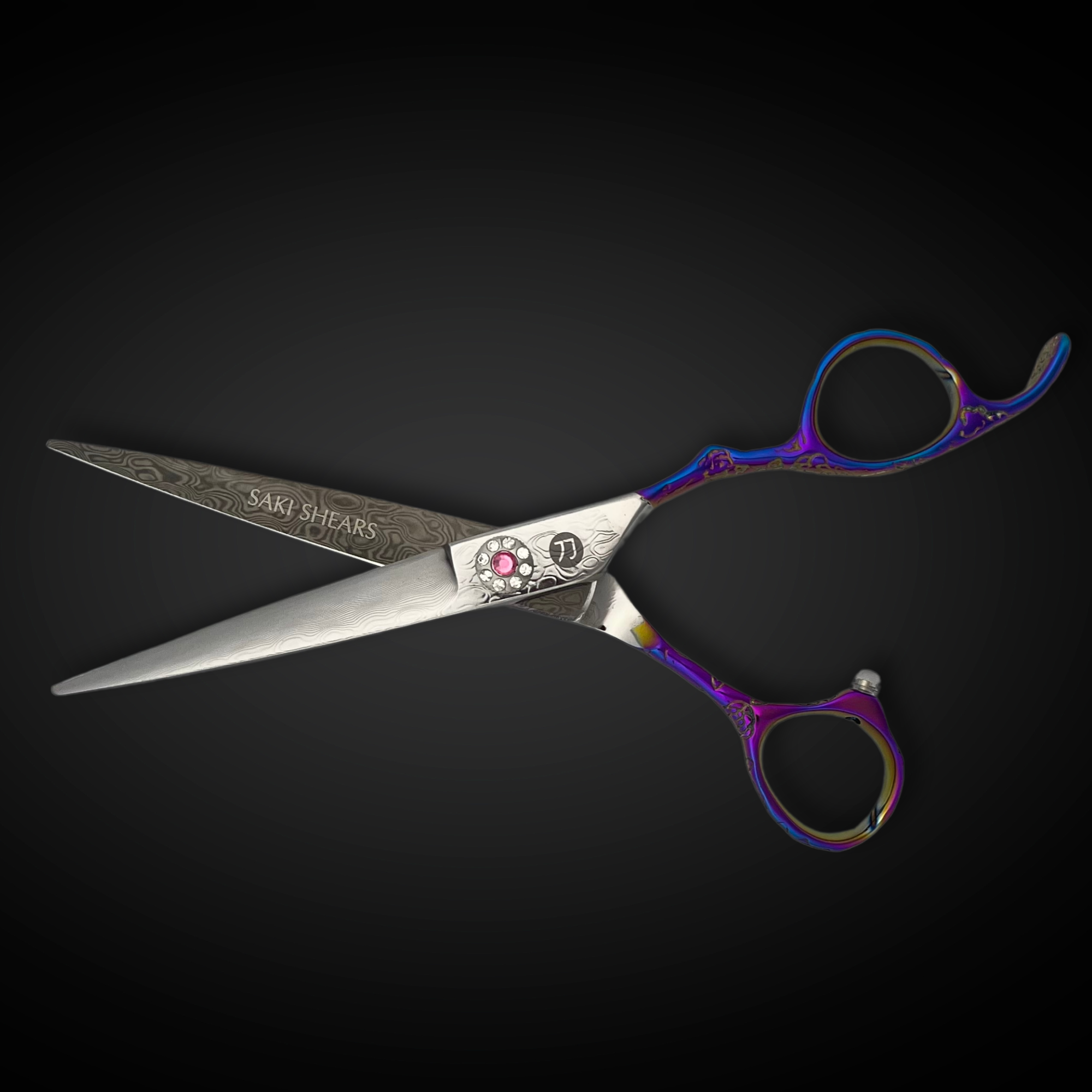
If you want to evaluate shears built on these traditions directly, our hair cutting shears collection and damascus hair shears collection both reflect this combination of steel quality and hand-finished craftsmanship.