Blade Grind and Finish: Matching Shears to Cutting Technique
Once you've settled on convex, beveled, or serrated edges, the next decision is subtler but just as consequential: how that blade's grind and finish behave under the specific creative techniques you use to build texture and movement into a haircut. Blade design isn't only about the cut you get from a straight closing pass—it directly shapes what's possible when you slide cut, notch, or point cut. Matching blade design to technique is what separates shears that merely cut from shears that support your creative range.
Grind and Finish Change What the Blade Can Do Mid-Cut
The grind of a blade—how the metal is ground and polished along the cutting edge—determines how much resistance you feel as hair moves across it, and how cleanly the blade releases hair rather than pushing or catching it. A highly polished, convex-ground edge glides through hair with minimal drag, which matters enormously for techniques where the blade is moving through the hair rather than closing on it in a single snip. A more textured or micro-serrated finish grips hair as it passes, which changes the outcome of the same hand motion entirely. Neither is universally "better"; each is suited to different creative moves.
Convex Grinds for Slide Cutting
Slide cutting relies on an open blade sliding along the hair shaft while the stylist controls tension and angle, gradually removing length and bulk in a soft, graduated line. This technique depends on a blade edge that moves through hair smoothly and predictably—any snagging disrupts the fluid motion and produces uneven results. A polished convex edge, ground to a fine, continuous bevel, is generally the better match here: it slides cleanly and gives the stylist consistent feedback through the motion, which is what makes slide cutting controllable rather than a guess.
Serrated and Micro-Serrated Edges for Grip-Dependent Techniques
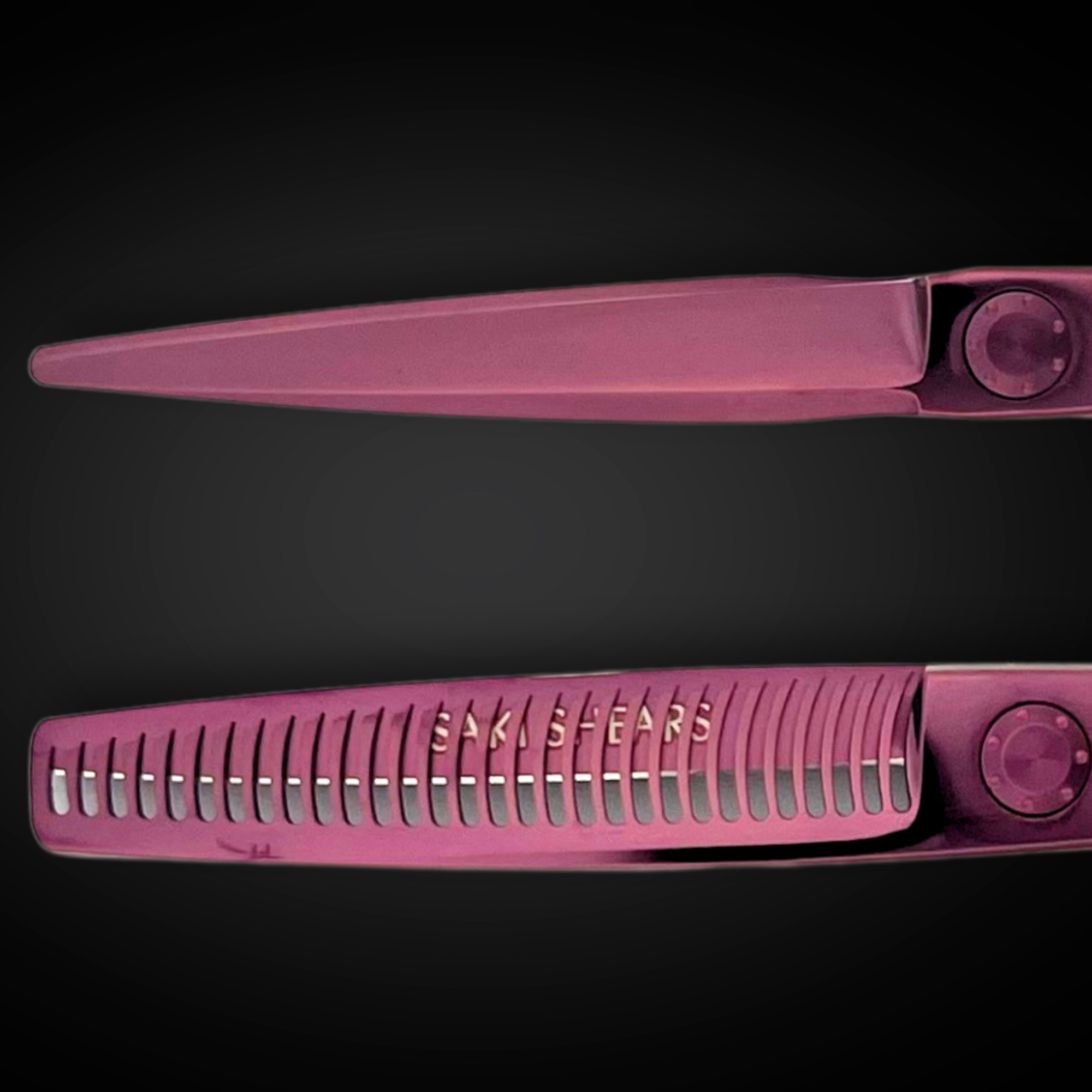
Micro-serration along one or both blades adds fine "teeth" that hold hair in place during the cut, preventing it from pushing forward out of the blades. This grip is valuable for techniques like notching, where you're removing small, defined chunks of hair to break up a blunt line and create texture. Without some grip, notching can slip and produce inconsistent chunks rather than the deliberate, textured result the technique is meant to achieve. The trade-off is that serrated edges tend to leave a slightly more textured, less glass-smooth end—a desirable outcome for notching, less so for a clean slide cut.
Blade Geometry and Point Cutting
Point cutting—cutting vertically into the ends of small sections to soften a blunt perimeter—puts different demands on a blade again. Here, tip geometry and blade thinness at the point matter as much as the grind along the edge. A finer, more tapered tip lets you work into small sections cleanly and control exactly how much softening you introduce, while a thicker or more heavily beveled tip can make delicate point work feel clumsy. Stylists who point cut frequently often prefer a blade with a refined convex or semi-convex grind that stays sharp at a fine tip without being fragile.
Matching Blade Design to Your Technique Mix
Most working stylists don't rely on a single technique, which is why many build a working set rather than a single all-purpose shear:
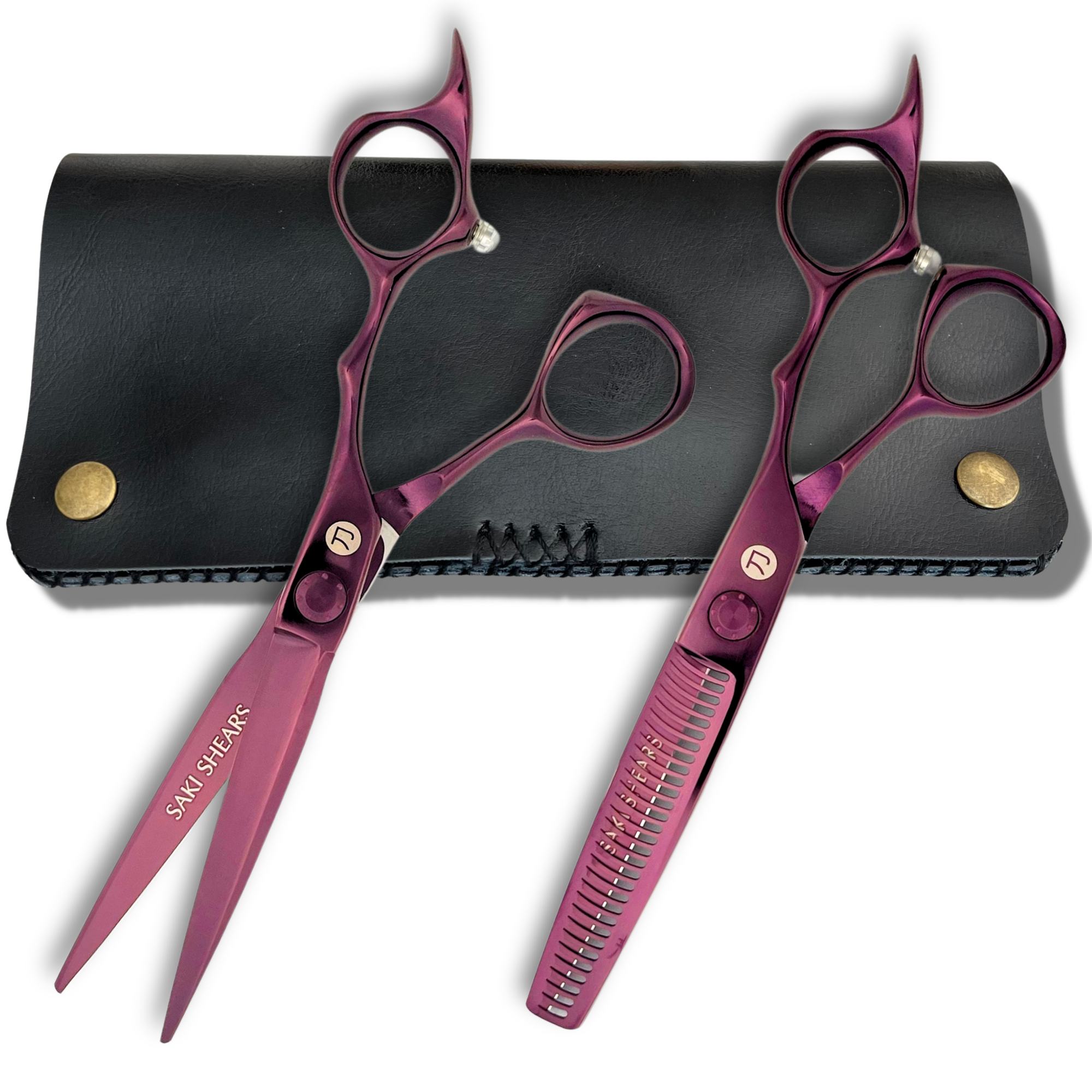
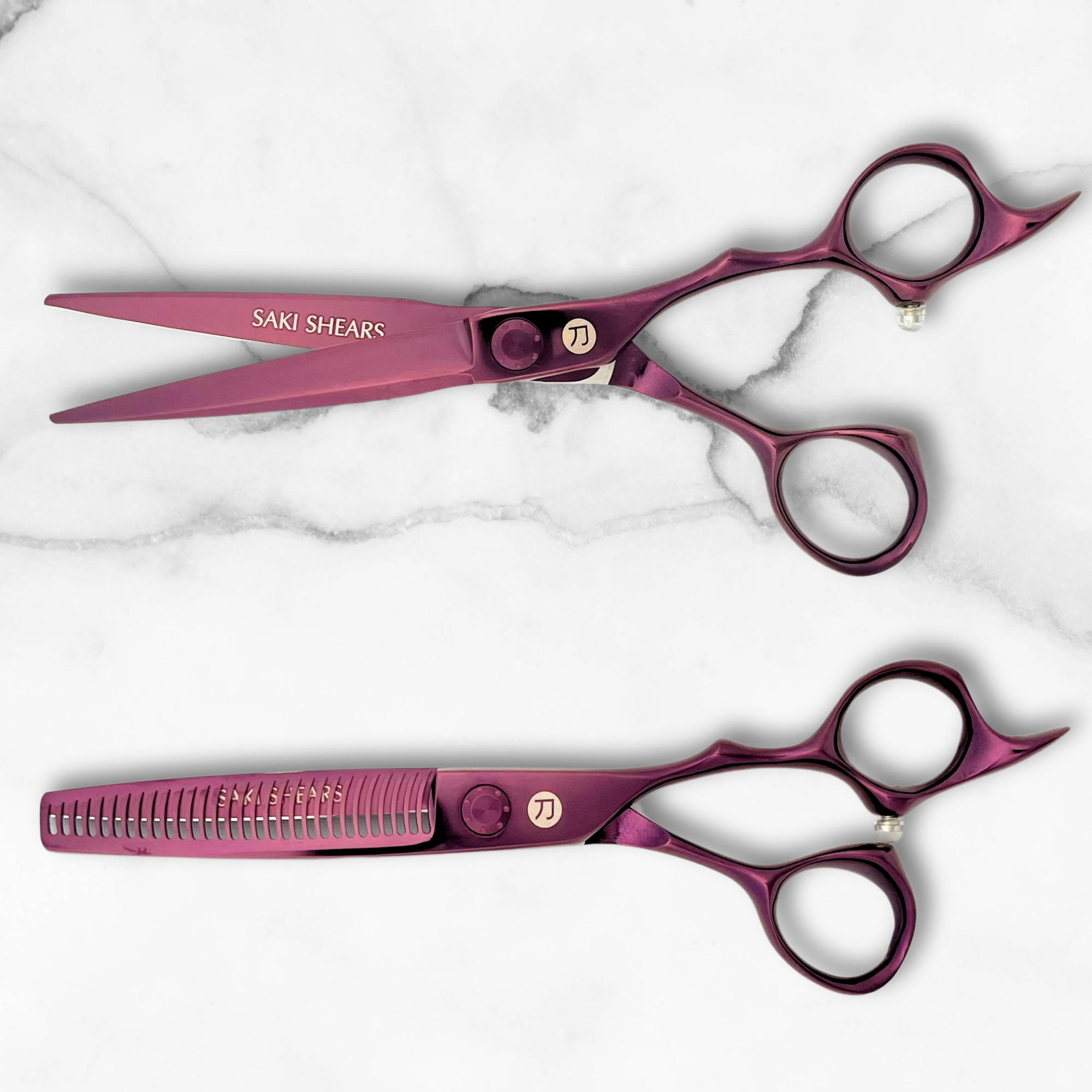
- A convex-edge shear for slide cutting, blunt work, and precision line work where a smooth, predictable release matters most.
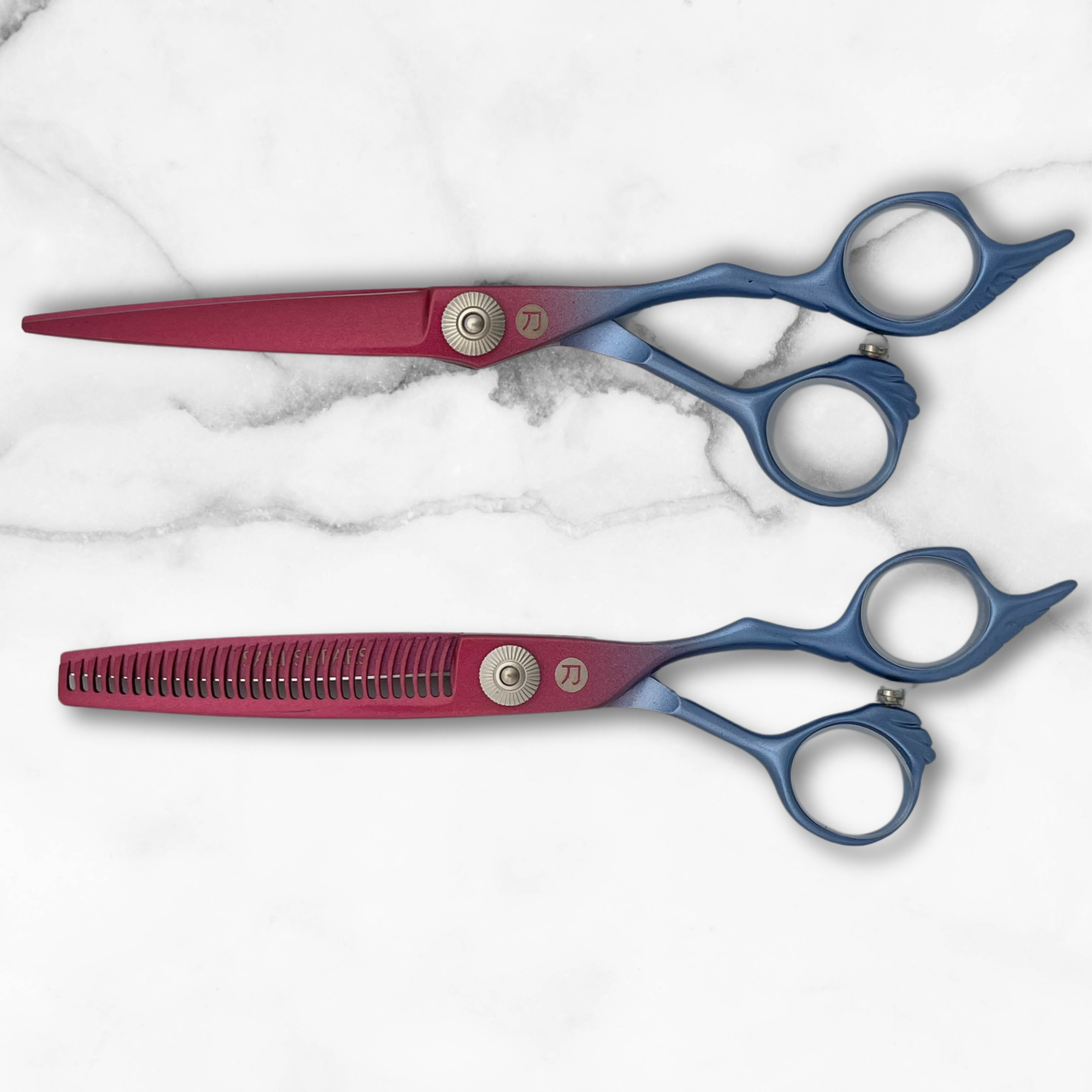
- A micro-serrated or beveled shear for notching and other grip-dependent texturizing where controlled resistance produces a better result.
- A shear with a fine, tapered tip reserved for point cutting and detail work on ends.
Trying to force one blade design to handle all three techniques usually means compromising on at least one of them. Understanding the mechanics of grind and finish lets you choose deliberately, rather than by trial and error, when you're building or expanding a shear collection around your technique mix.
Maintenance Preserves the Design's Intent
Whatever blade design you choose, its behavior under slide cutting, notching, or point cutting depends on the edge being maintained to its original geometry. A convex edge that's been improperly sharpened loses the smooth glide that makes slide cutting controllable; a serrated edge that's worn down loses its grip. Regular, correct sharpening isn't just about staying sharp—it's about preserving the specific mechanical behavior you selected the blade design for in the first place.
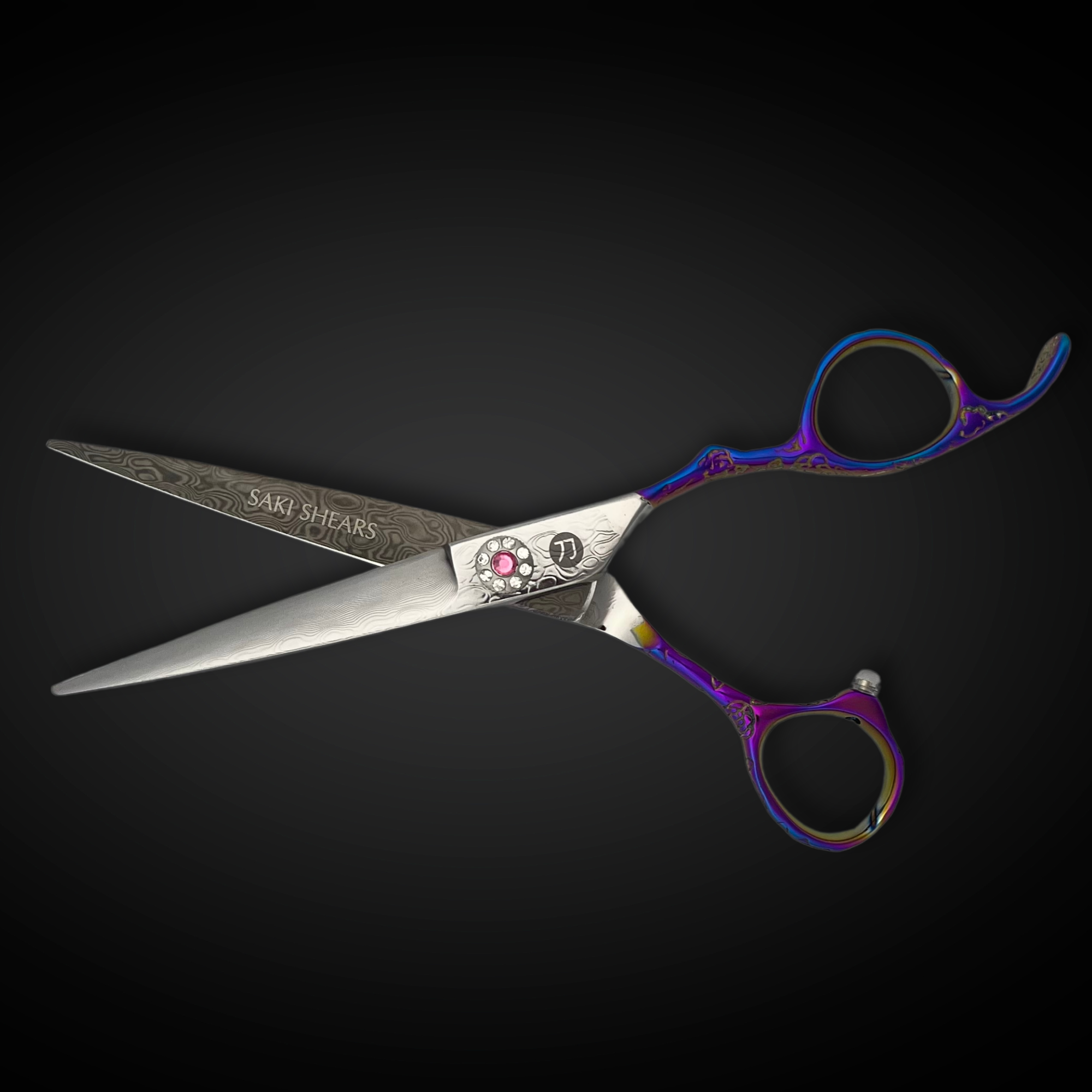
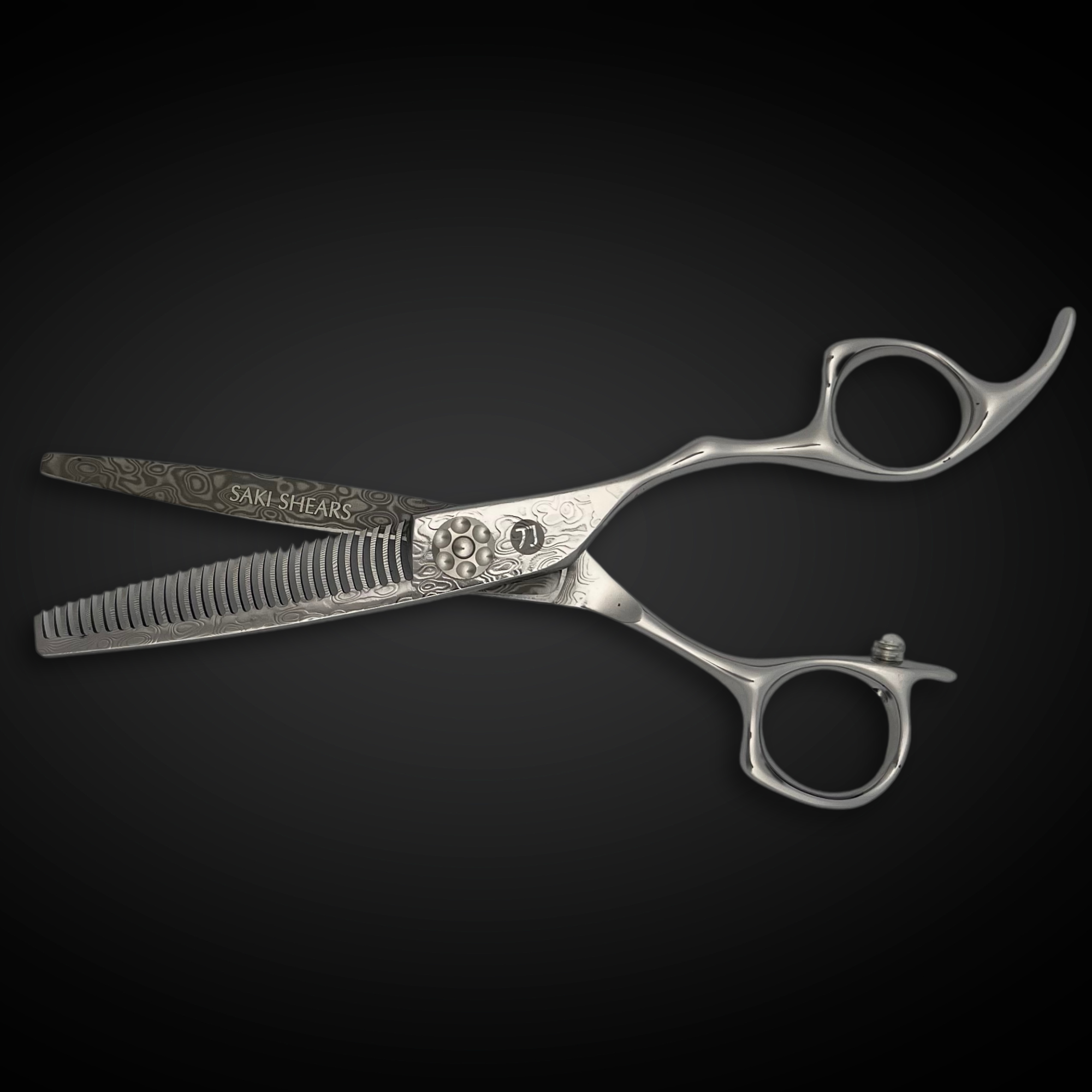
If you're evaluating shears with different blade grinds for your technique mix, browse hair cutting shears for convex and standard edge options, or Damascus hair shears for forged blades that hold a refined edge through repeated fine-tip and texturizing work.

Written by Charles Harris