What It Takes to Build a Reputation as a Go-To Stylist
Every local market has a handful of stylists whose names get passed around before anyone even opens a search engine. New clients show up already trusting them because someone they know made the referral. That kind of reputation isn't luck, and it isn't only about technical skill. It's built deliberately, over years, through a specific set of practices that any stylist can apply regardless of where they're working or how long they've been in the chair.
A Portfolio That Shows Range, Not Just Highlights
A go-to stylist's portfolio does more than showcase their single best transformation. It demonstrates range: different hair textures, different face shapes, different levels of difficulty, and consistent quality across all of them. Clients researching a new stylist are usually looking for someone who can handle their specific hair type, not just someone with one impressive photo. Building this kind of portfolio takes intentional effort, photographing a wide variety of real client work over time, organizing it so prospective clients can find examples similar to their own hair, and updating it regularly so it reflects current technique rather than work from years ago.
Retention Is the Real Growth Engine
New client acquisition gets most of the attention, but the stylists with the strongest local reputations are built primarily on retention. A client who returns every six to eight weeks for years, and who trusts their stylist enough to try new services, is worth far more than a steady trickle of one-time visitors. Retention comes from the basics done consistently: remembering what worked and didn't work last time, being honest about what a style will require to maintain, and never overpromising a result that the client's hair or timeline can't support. Stylists who protect this trust, rather than treating every appointment as a one-off transaction, are the ones clients recommend without hesitation.
Referral Networks Don't Happen by Accident
Word-of-mouth reputation looks passive from the outside, but the stylists who benefit most from it are usually working at it deliberately. That means asking satisfied clients directly if they know someone who might be looking for a new stylist, staying visibly connected to the local community, and building relationships with other professionals, colorists, estheticians, salon owners, who can send business in both directions. It also means being easy to refer: responsive to messages, clear about pricing and scheduling, and consistent enough that an existing client feels confident putting their own name behind the recommendation.
Consistent Quality Under Real-World Conditions
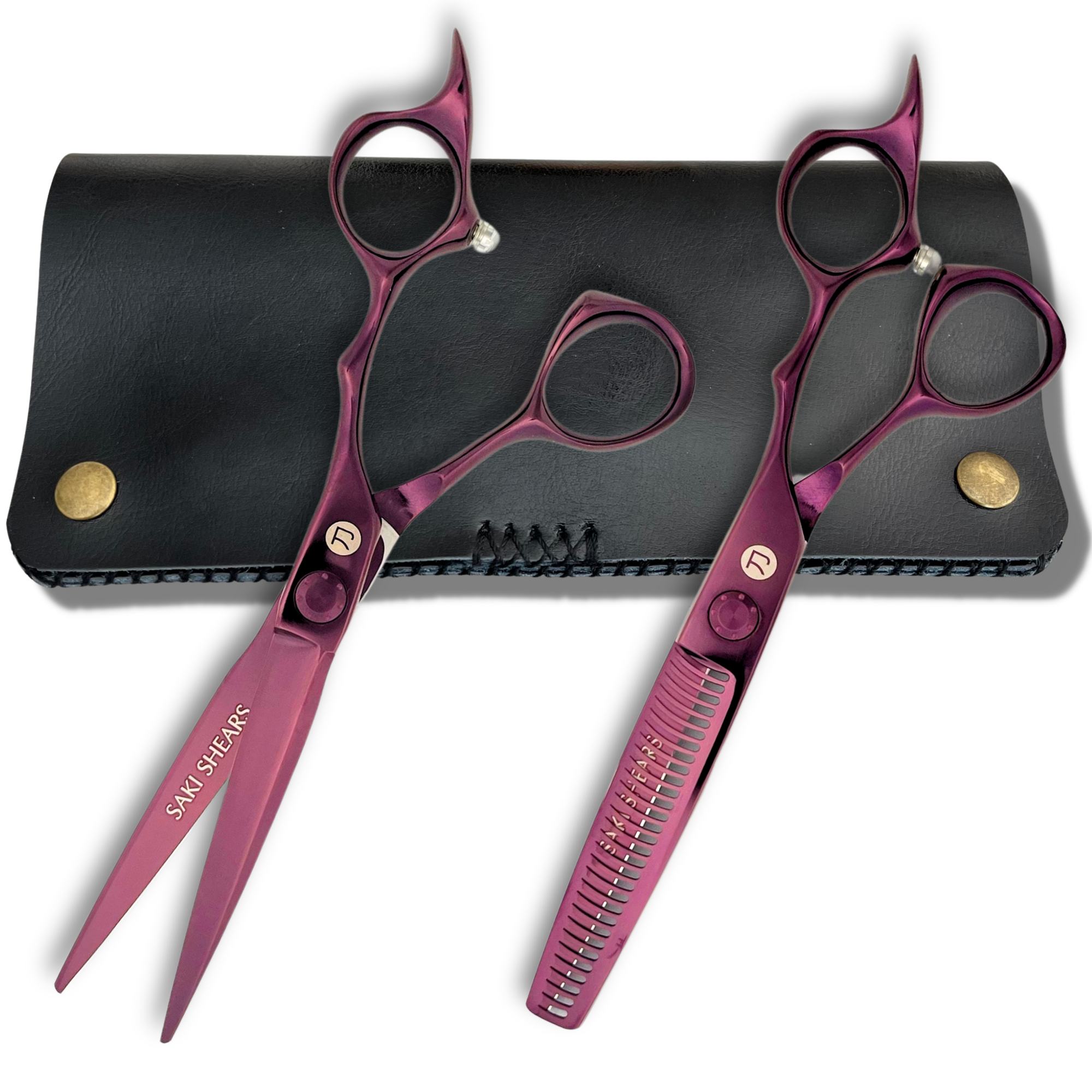
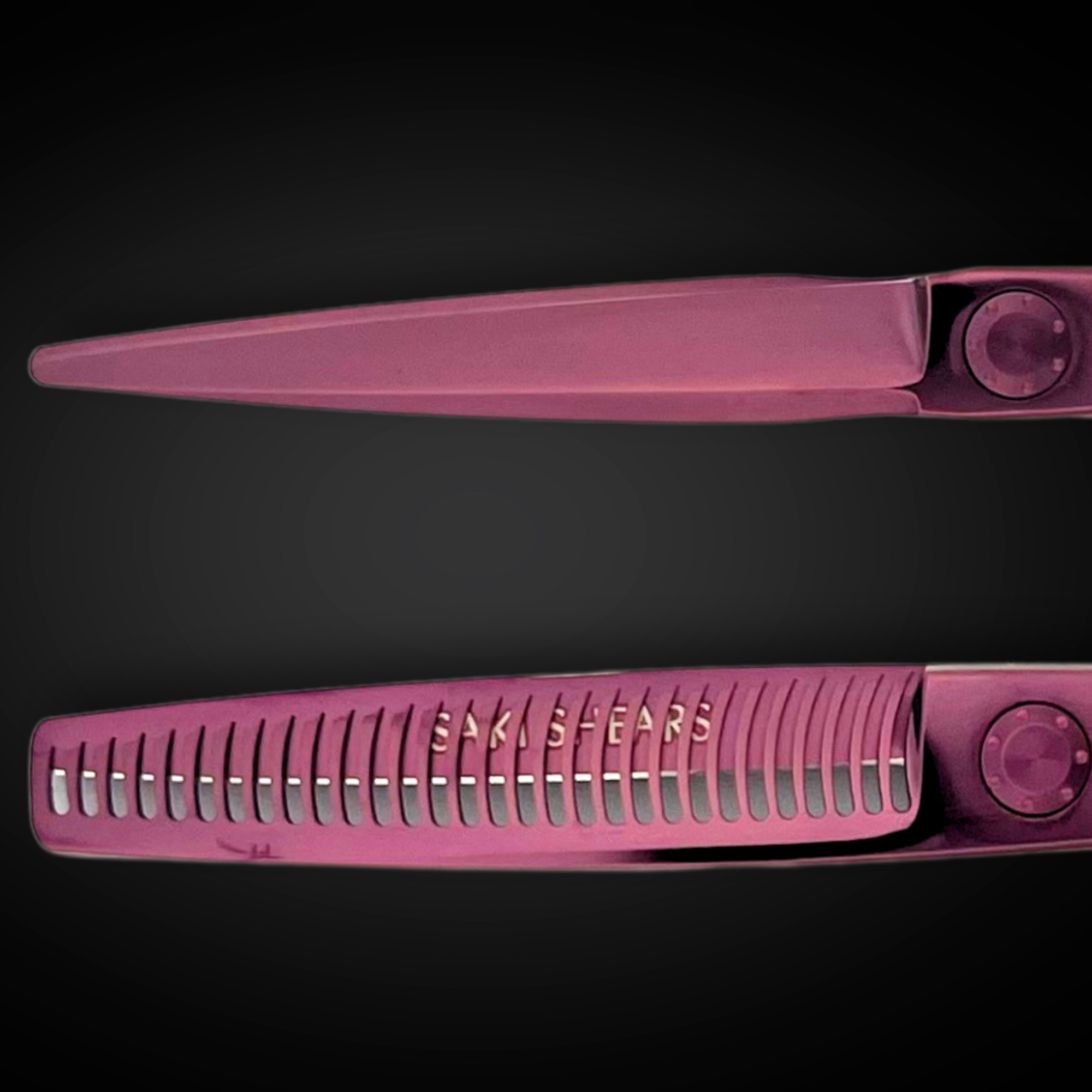
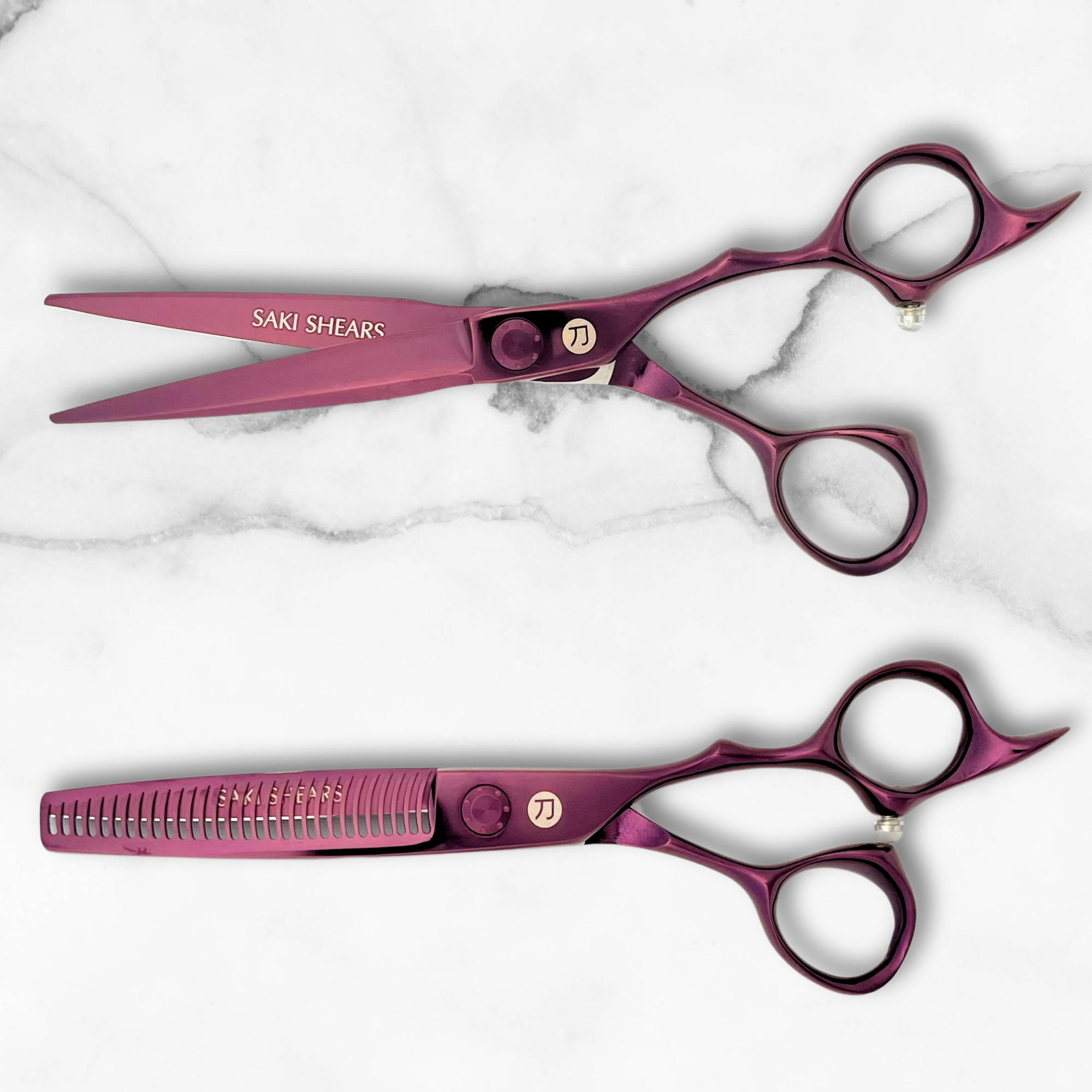
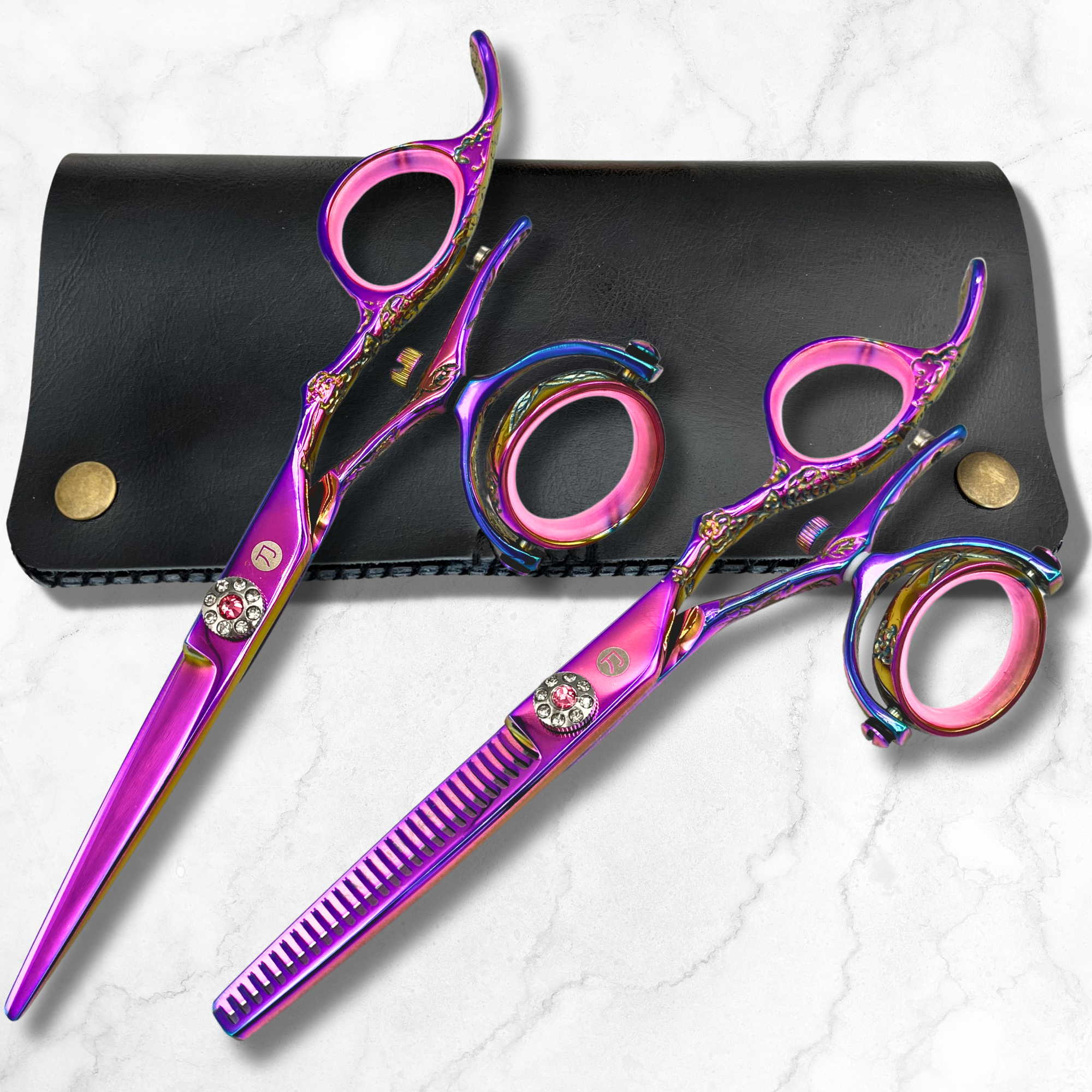
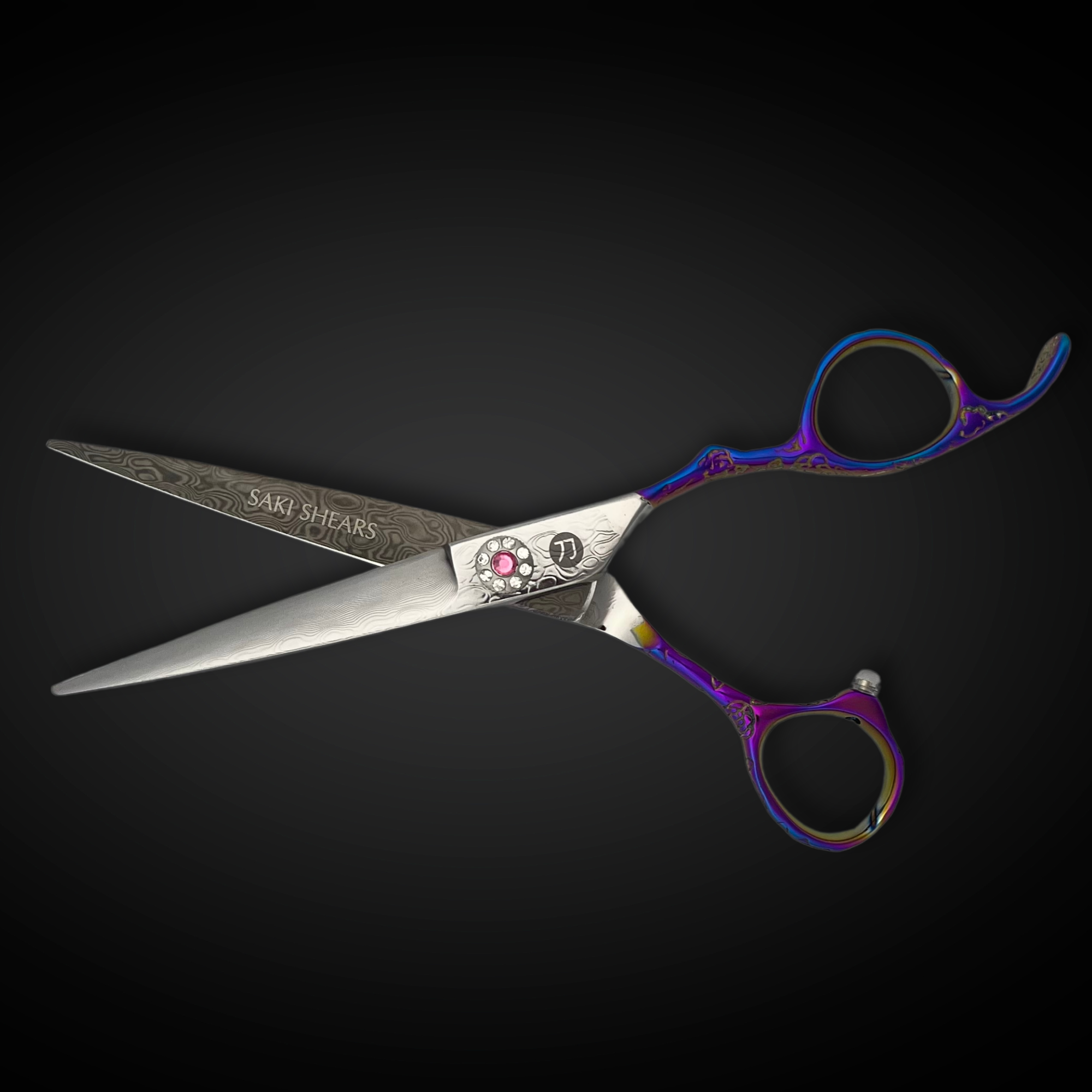
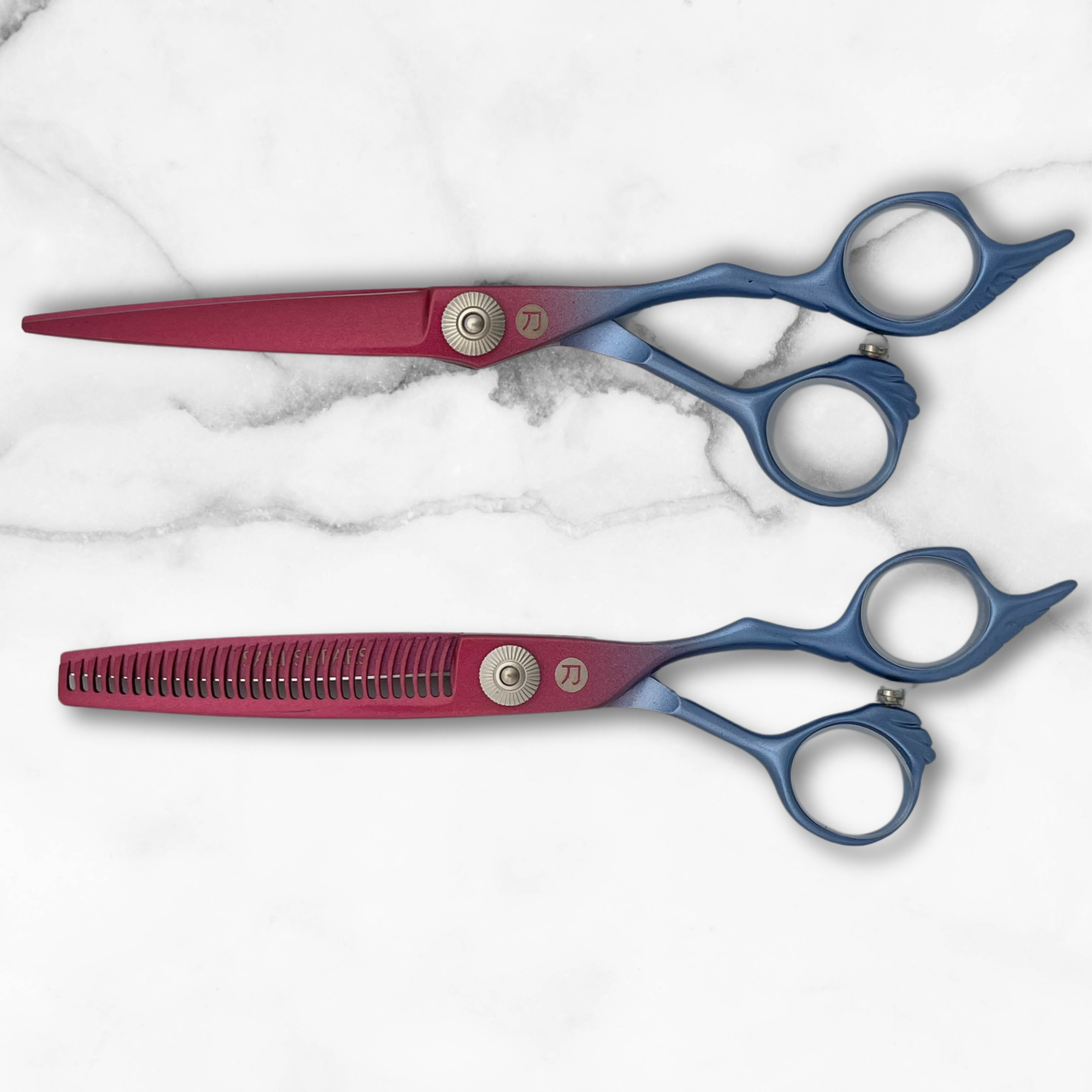
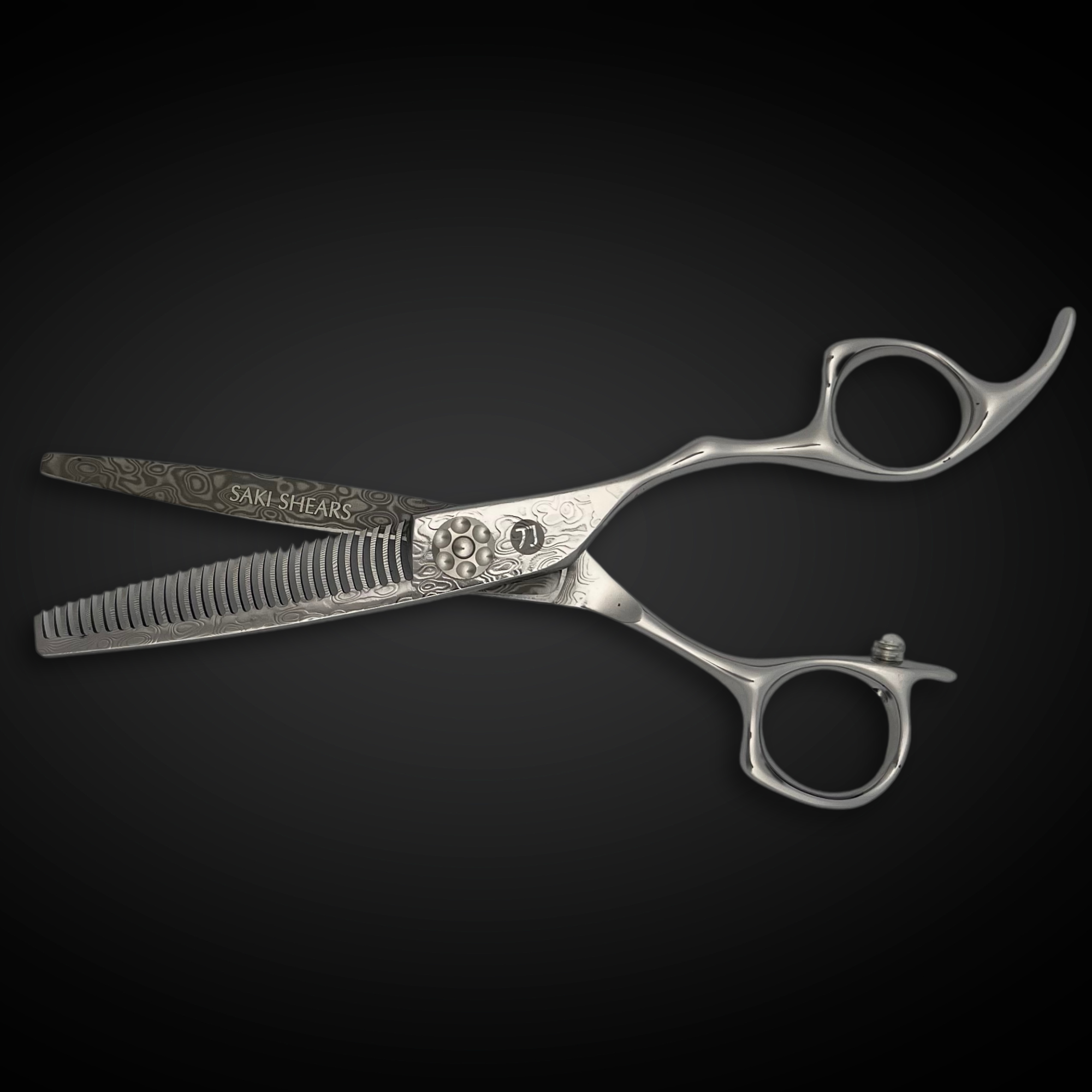
Reputations are built or broken in ordinary, unglamorous appointments, not just the special-occasion ones. A stylist known for consistent quality delivers the same care and attention on a Tuesday afternoon maintenance trim as on a bridal appointment. That requires treating every client interaction with the same standard, and it requires the right tools to make that consistency achievable across a full, busy schedule. A dependable, well-maintained shear reduces fatigue and keeps cutting precision steady from the first appointment of the day to the last. Stylists building a reputation for detail work often invest in a dedicated cutting shear suited to their technique, and pair it with a thinning shear for texture and blending work that requires a different kind of control.
Specialization Sharpens Word of Mouth
Being known for something specific, precision men's cuts, curly hair expertise, corrective color, spreads faster through referral networks than being generally competent at everything. Clients tend to describe stylists by what they're best at ("she's the one who really knows curly hair") rather than by a general endorsement. Developing a specialty means investing extra time in the techniques and tools that support it. A barber building a reputation for sharp, classic fades might rely on a dedicated clipper and trimmer setup and a quality safety razor for clean finish work, while a stylist focused on precision cutting might standardize around a single trusted shear from an all-shears lineup that fits their hand and technique.
Professionalism Behind the Chair
Reputation isn't only about what happens during the service. It's shaped by how appointments are booked, how schedule changes are handled, and how disagreements over a result get resolved. Stylists who are known as reliable across the board, on time, transparent about pricing, and professional when something needs to be corrected, earn the kind of trust that survives an occasional off day. That trust is what turns a single satisfied client into an ongoing source of referrals rather than a one-time visit.
Building It Over Time
None of these practices produce results immediately. A strong local reputation is the compounding effect of:
- A portfolio that demonstrates range and current technique
- Retention built on honesty and consistent follow-through
- Active, deliberate referral relationships, not just passive word of mouth
- The same standard of quality on ordinary appointments as special ones
- A clear specialty that gives clients something specific to recommend
- Professionalism in every part of the client relationship, not just the chair
Stylists who treat these as ongoing practices, rather than one-time efforts, are the ones who eventually become the name that gets passed around before a client even starts searching.

Written by Charles Harris