5 Techniques for Delivering Great Results on Curly Hair
Read the Curl Pattern Before You Touch the Shears
Every curl type behaves differently under tension, so the first technical decision on any curly consultation is whether you're cutting dry, wet, or on a hybrid dry-to-wet approach. Wavy and looser curl patterns (2A-2C) often respond well to a wet cut with a diffuse-dry check partway through, since the wave pattern is more predictable once it's dry. Tighter coils and curl clusters (3B-4C) usually cut more accurately dry, because wet elongation hides how much the hair will spring back and where the actual line will fall once it's fully dry. If you're new to dry cutting, start by dry-cutting the perimeter only and finishing interior layers wet, then compare results over a few clients to build your own read on timing.
Whichever method you choose, cut in small, defined curl clusters rather than combing the whole head into one uniform section. Curls don't fall in flat planes, so sectioning by natural curl grouping - not by traditional horizontal or vertical partings - keeps you working with the hair's actual movement instead of fighting it.
Account for Shrinkage Before You Commit to a Length
Shrinkage is the single most common source of a curly cut going wrong, and it's rarely a shears problem - it's a measurement problem. A 3B-3C client can see 30-50% shrinkage from stretched to relaxed curl length, and the number is different for every curl pattern and even every section of the same head (nape curls often shrink more than crown curls due to finer texture). Cut too short based on stretched length and you end up with a cut that's dramatically shorter than intended once it dries into pattern.
The safer approach is to cut curl-by-curl at its natural resting length rather than committing to one stretched benchmark length for the whole head. If you do pull sections for a length check, pull only lightly - enough to see the strand, not enough to fully elongate it - and always let a few reference curls air-dry or diffuse before finalizing the perimeter. Keep the shears sharp and the blade tension correct for this kind of precise, repeated point work; a shear that's dragging or slipping makes it much harder to trust a curl-by-curl cut.
Diffuse While You Cut, Not Just After
If you're cutting wet, checking curl clusters with a diffuser mid-service - rather than saving all drying for the end - lets you see the real fall of each section before you move to the next. This is especially useful on mixed-pattern heads, where curl type can vary meaningfully from crown to nape on the same client. A quick diffuse pass on a test section before you commit to the rest of the cut can save you from redoing an entire quadrant.
For curl clusters that are especially tight or prone to frizz under diffusing heat, work in smaller sub-sections and keep the diffuser on a lower heat setting to avoid disrupting the pattern before you've finished shaping it.
Thin With Restraint
Curly and coily hair reads visually denser than it is, which tempts a lot of stylists into over-thinning to "reduce bulk." The problem is that curly hair relies on its own weight and clustering to hold shape and reduce frizz - strip too much internal weight with thinning shears and you get flyaways, disrupted curl clusters, and a shape that loses definition within a day or two.
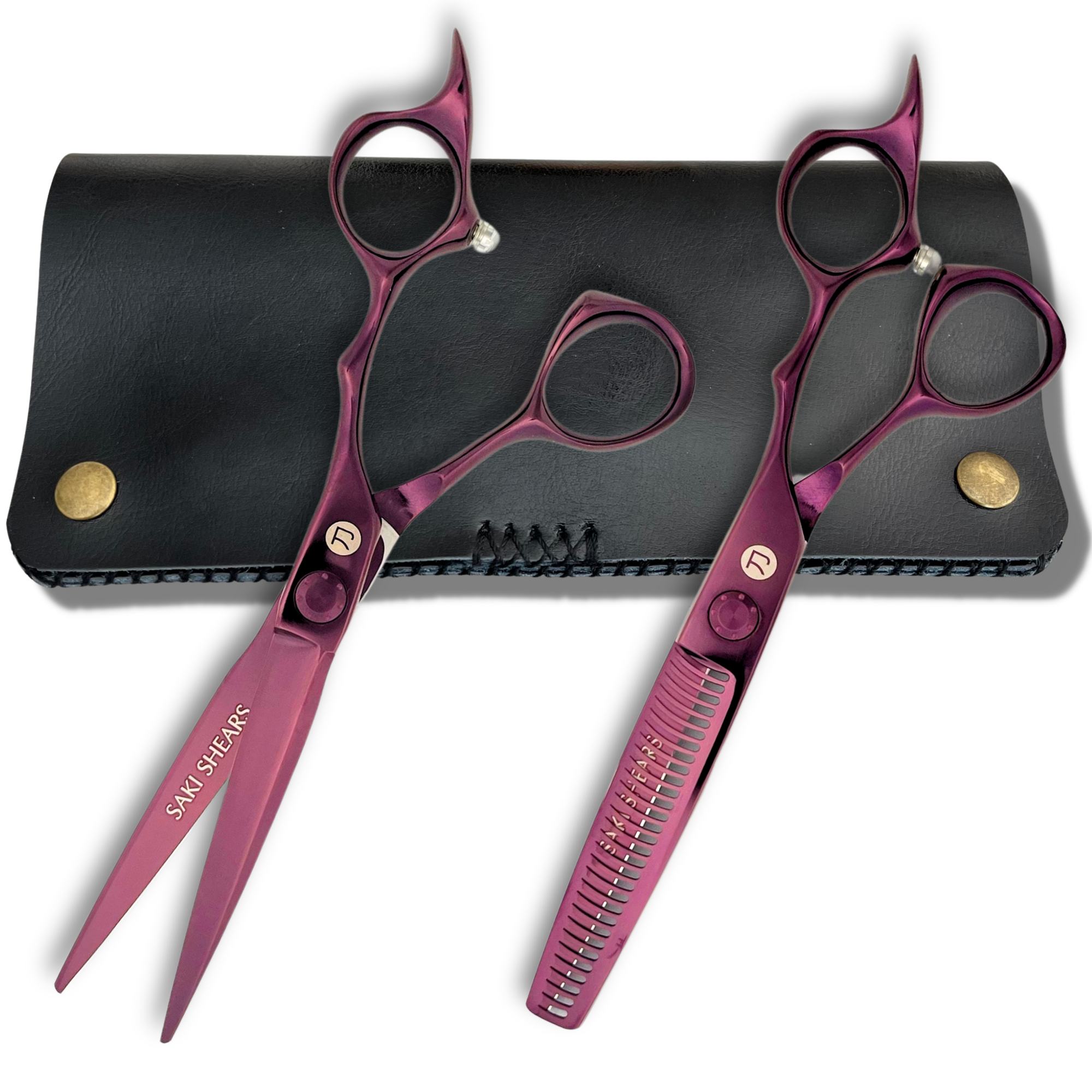
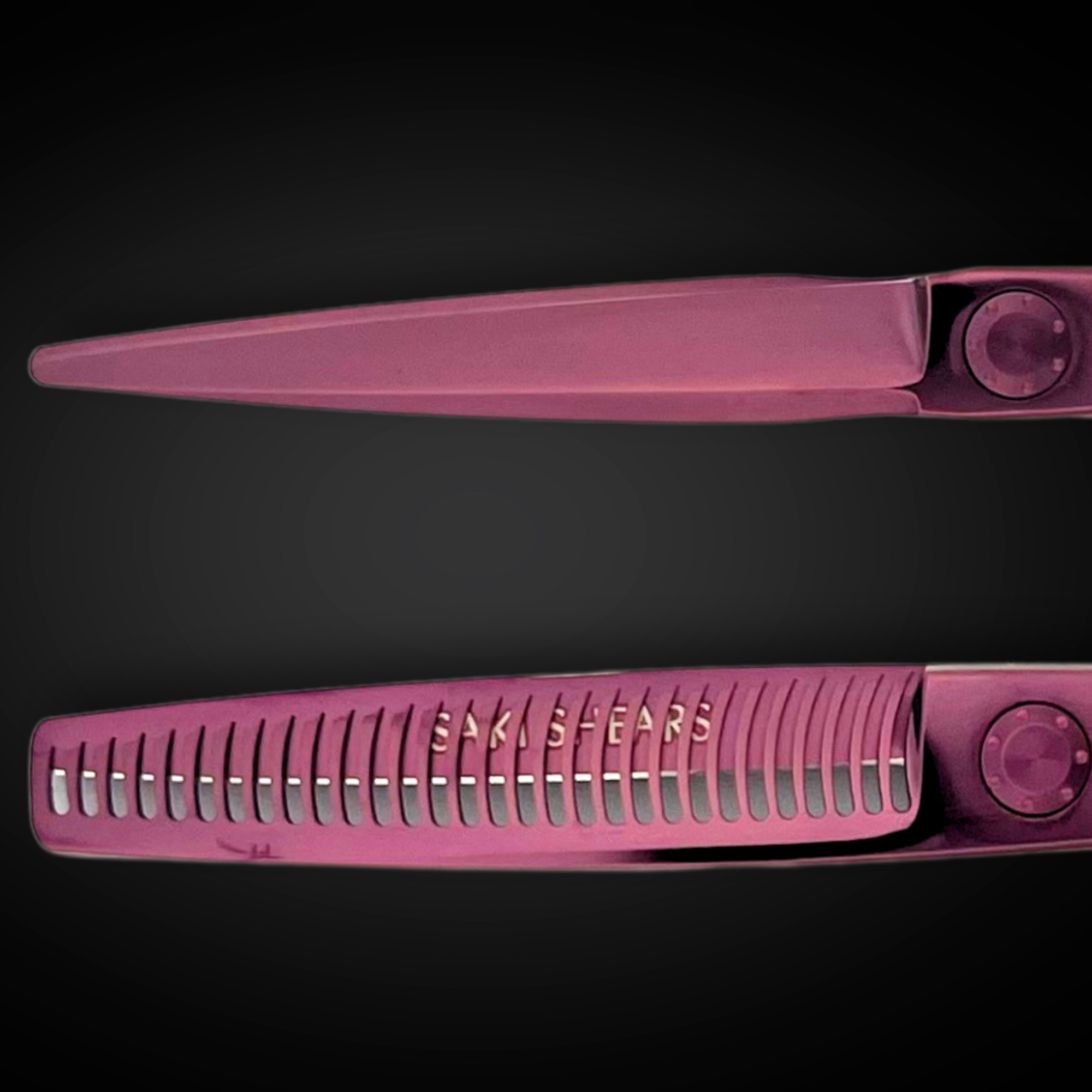
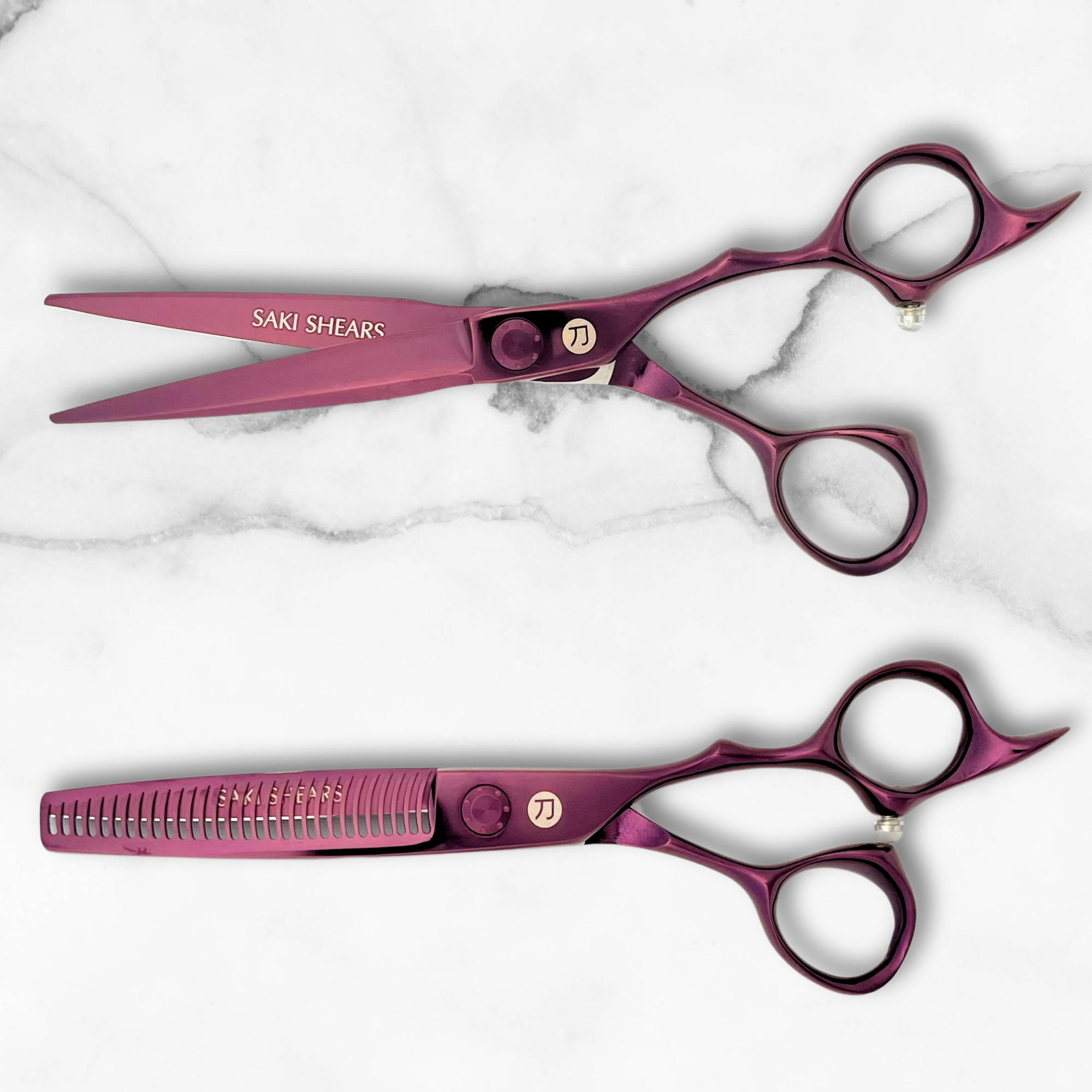
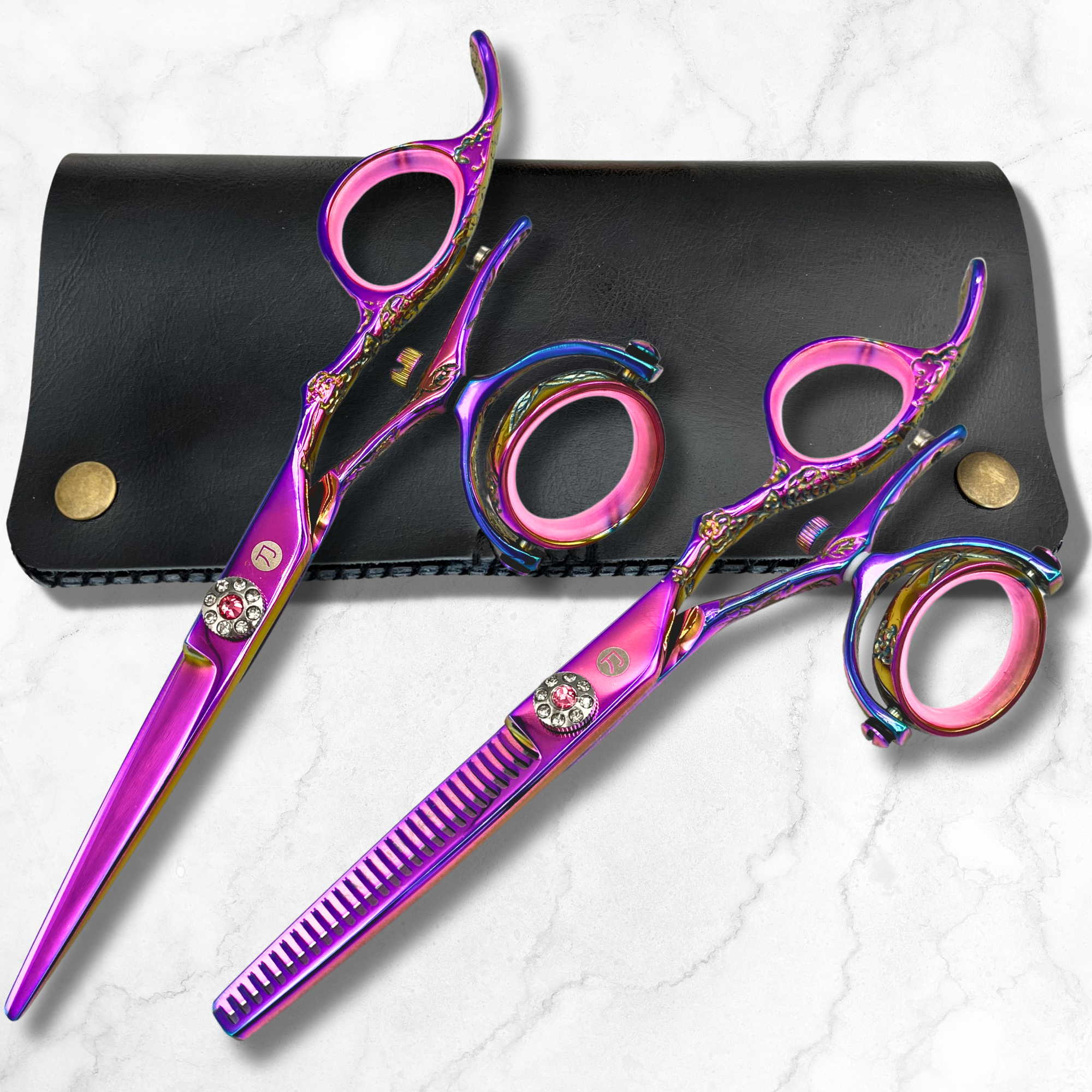
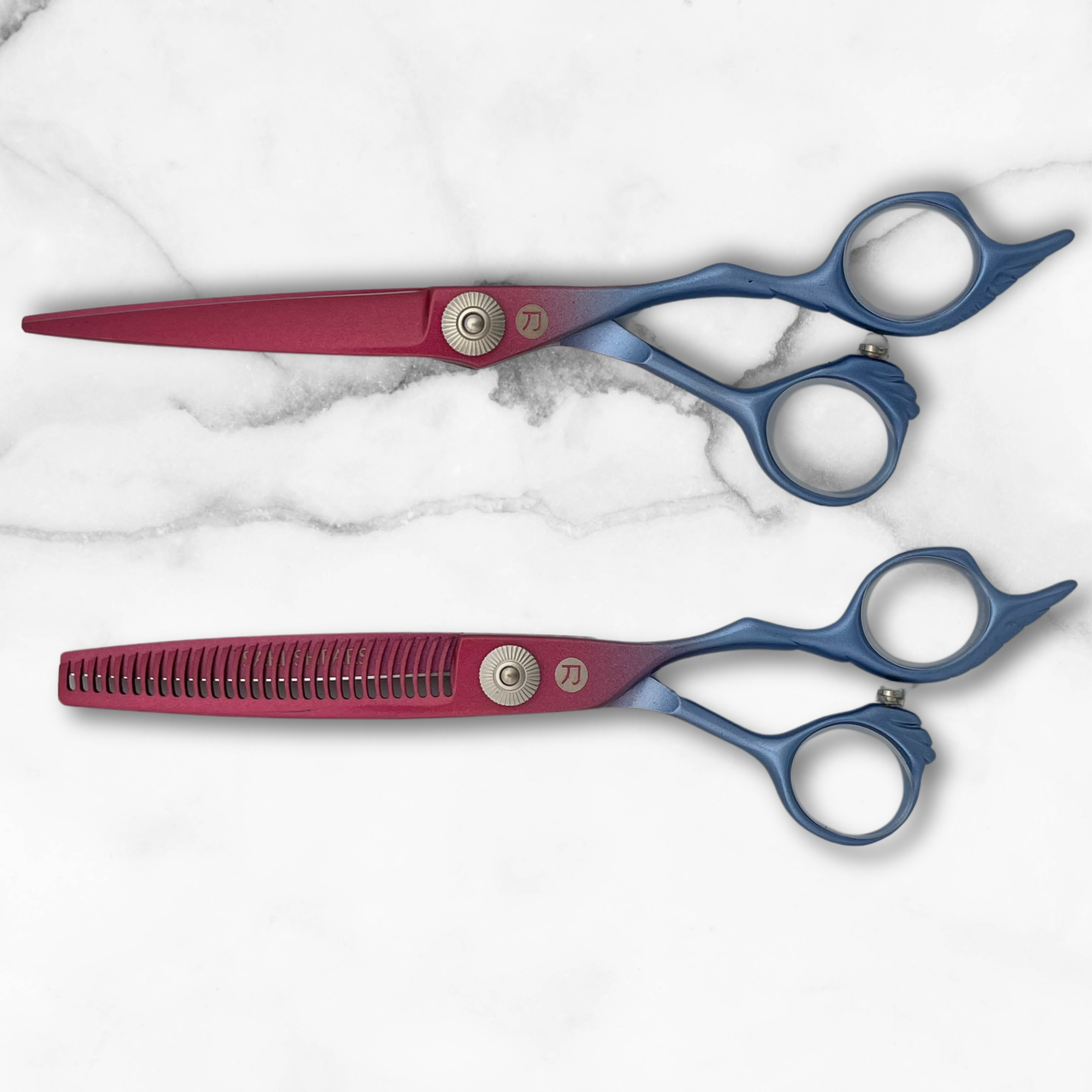
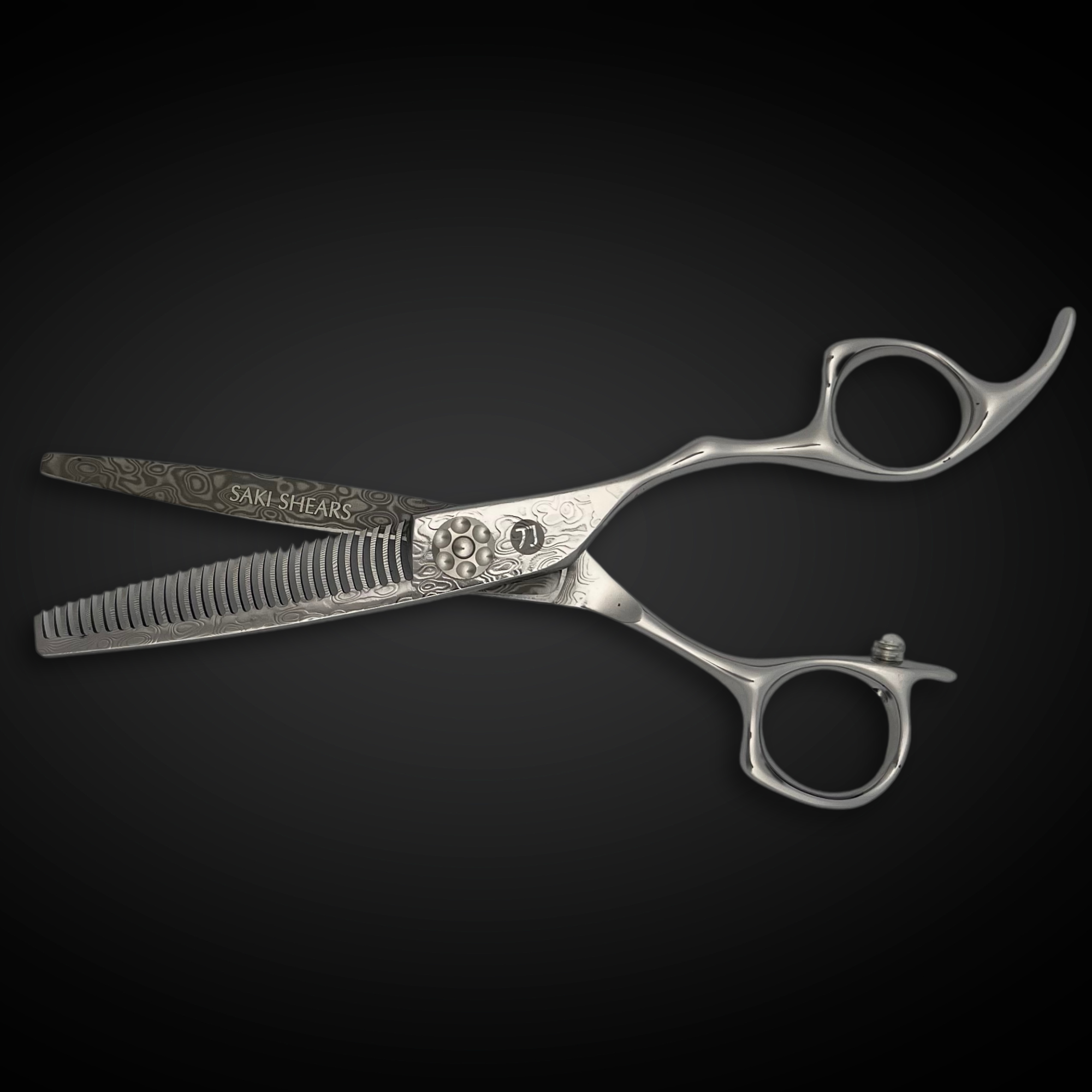
When thinning is genuinely needed, work only in the interior, well above the length line, and use fewer, more deliberate passes than you would on straight hair. A finer-toothed thinning shear designed for controlled removal gives you more predictability than a standard blending shear on curl work - see our thinning shears and scissors for options built for that level of control. If a client's hair looks like it needs bulk removed, check whether the real issue is actually shape and layering before defaulting to thinning.
Ask Curl-Specific Consultation Questions
A generic "how much are we taking off" consultation doesn't give you what you need for a curly cut. Ask about the client's typical styling routine (diffused, air-dried, or heat-stretched), because that tells you what state the hair will actually live in day to day - not just how it looks fresh out of the chair. Ask how they wear their hair day to day for parting and how they feel about temporary length loss from shrinkage, since that expectation needs to be set before the first cut, not after.
- How do you normally dry and style this at home?
- Where does the curl pattern change across your head - tighter at the nape, looser at the crown?
- Are you open to a curl-by-curl cut that may look shorter today but settles into shape over the next wash or two?
- Any problem areas that always seem to overgrow or thin out first?
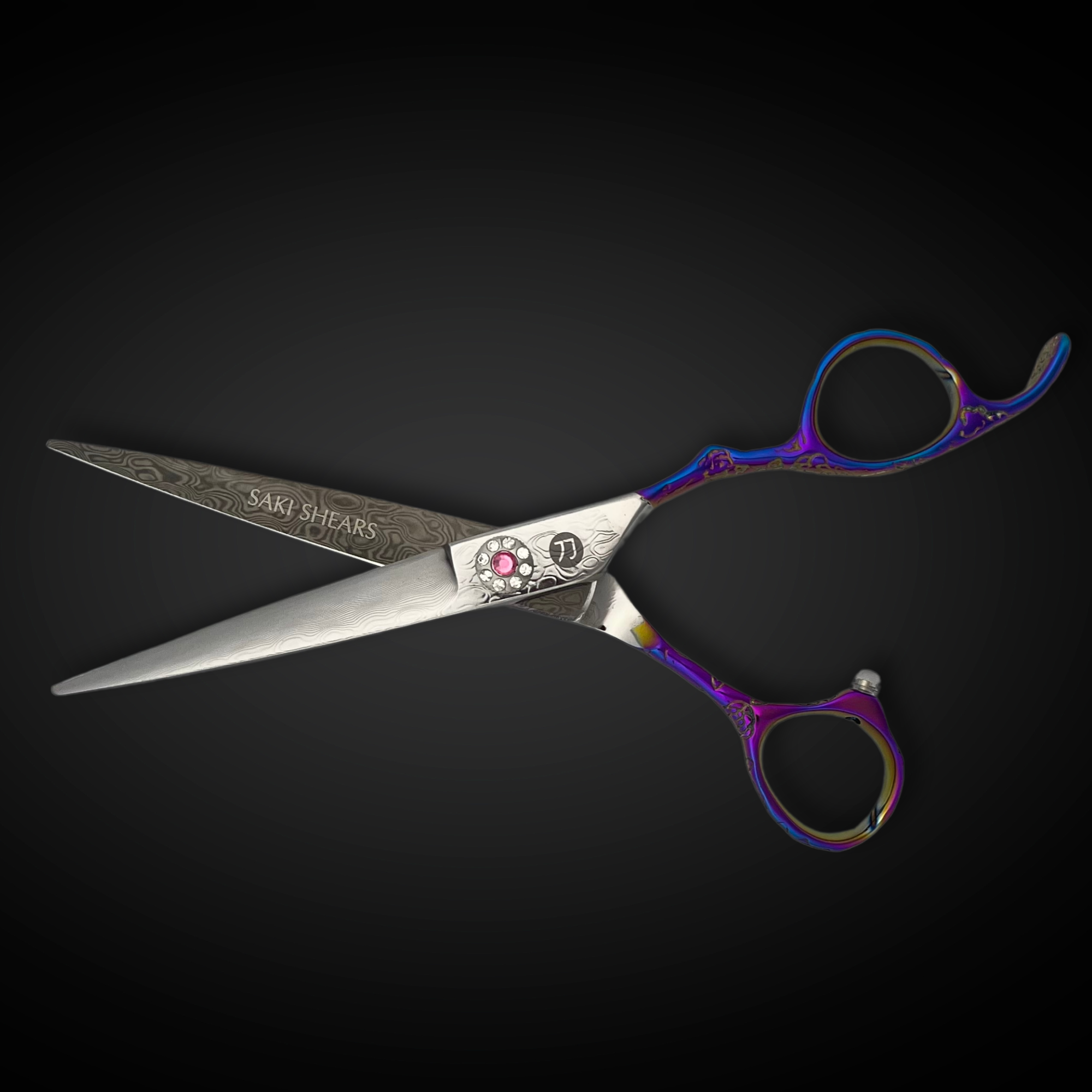
A reliable set of hair cutting shears that stays sharp through detailed point work matters more on curly cuts than on straight ones, simply because you're making more individual decisions per head. Investing consultation time and the right tools up front is what turns a curly cut from a guess into a repeatable, dependable service.

Written by Charles Harris