Becoming a Licensed Hair Stylist: The Path, Step by Step
Every working stylist and barber started in the same place: figuring out how licensing actually works. Cosmetology and barbering are regulated professions in the United States, but the specifics—required training hours, exam format, renewal cycles—are set at the state level, and the rules differ again if you're training outside the U.S. Any specific number you read online, including in this post, should be treated as a general reference point, not a guarantee. The only source that's always accurate for your situation is your own state cosmetology or barber board.
That said, the overall shape of the journey looks similar almost everywhere. Here's how it typically breaks down.
1. Choose Your Training Route
Most states require some form of formal training before you're eligible to sit for a licensing exam. That usually means one of two paths: enrolling in a state-licensed cosmetology or barbering school, or completing a registered apprenticeship under a licensed professional. Programs vary widely in length, cost, and structure—some are full-time and can be finished in under a year, others run part-time over a longer stretch. Many states also recognize apprenticeship hours as a substitute for some or all classroom training, which can be worth exploring if you learn better hands-on or need to keep earning while you train.
Before enrolling anywhere, confirm that the school or apprenticeship program is actually approved by your state board. A program that isn't recognized won't count toward your license, no matter how good the instruction is.
2. Log Your Required Training Hours
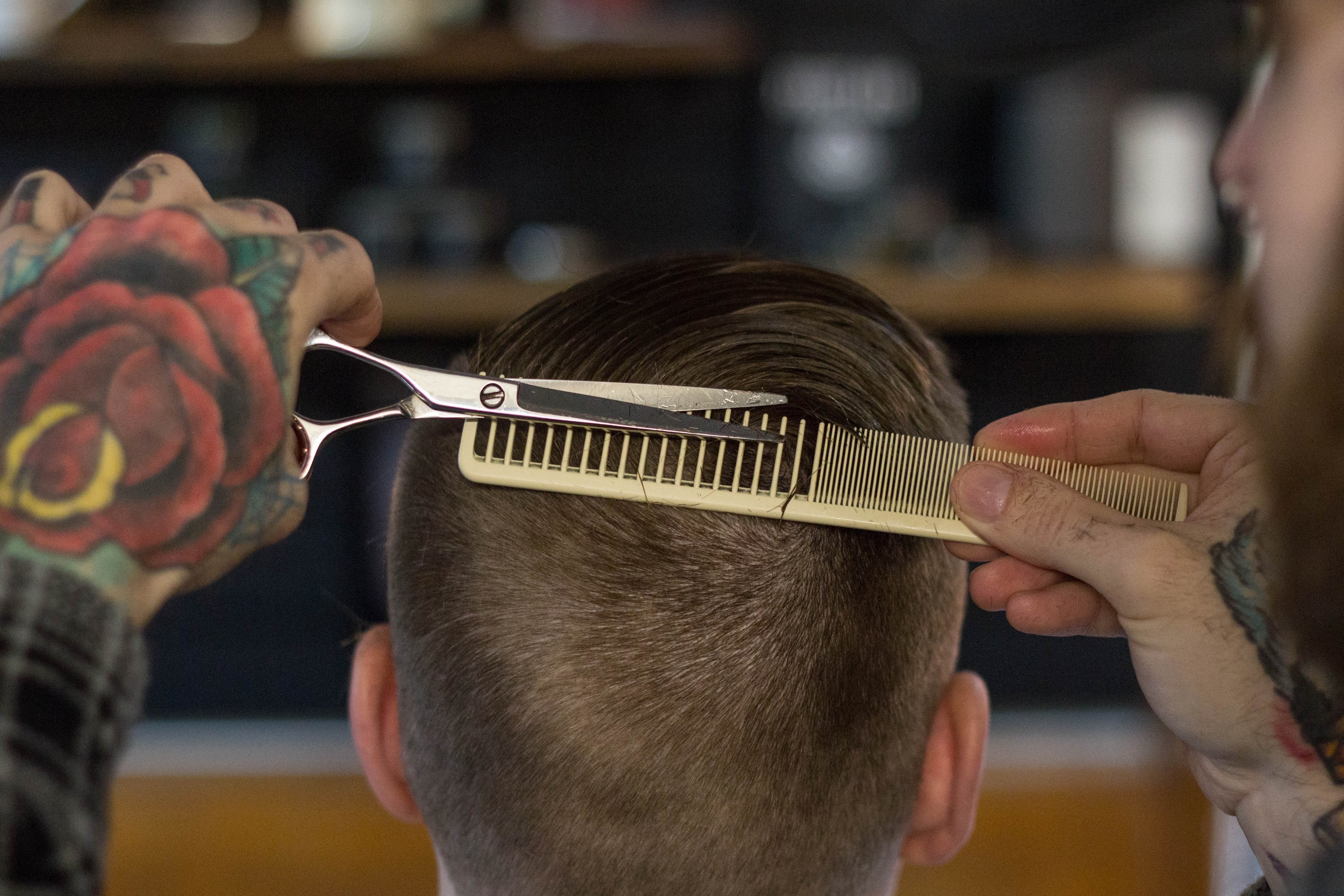
Licensing boards set a minimum number of training hours you must complete before testing, and this number varies significantly by state—it can differ by hundreds of hours depending on where you live and whether you're pursuing a full cosmetology license or a barbering-specific one. Your school or sponsoring apprenticeship will track this for you, but confirm the current number directly with your state board rather than relying on older articles or forum posts, since requirements do get revised. Use this stretch of training to build real skill: cutting, color theory, chemical services, sanitation protocols, and client consultation. How you hold your shears, how you read hair texture, and how you talk clients through a service are habits you'll carry into your first chair.
3. Pass Your State Licensing Exam
Once you've met your state's hour requirement, you'll register for a licensing exam. Most states use a two-part format: a written or computer-based test covering theory, sanitation, and safety, plus a practical exam where you demonstrate technique, sometimes on a live model and sometimes on a mannequin. Some states use a national testing provider and others administer their own, so the topics covered and passing scores aren't identical everywhere. Ask your school for practice materials specific to your state's exam, and rehearse with the actual tools you plan to use on test day—working with unfamiliar shears or clippers under exam pressure is an avoidable setback.
4. Apply for and Maintain Your License
Passing the exam isn't the finish line. You still need to formally apply for licensure, pay the associated fee, and wait for your state board to issue the license before you can legally work. Processing times vary, so apply as early as your state allows, and keep copies of every exam confirmation, transcript, and application receipt in case anything needs to be resubmitted. Licenses aren't permanent, either: nearly every state requires periodic renewal, and many require continuing education credits to keep a license active, so it's worth understanding your state's renewal cycle well before it comes due.
Beyond the License: Building Your Career
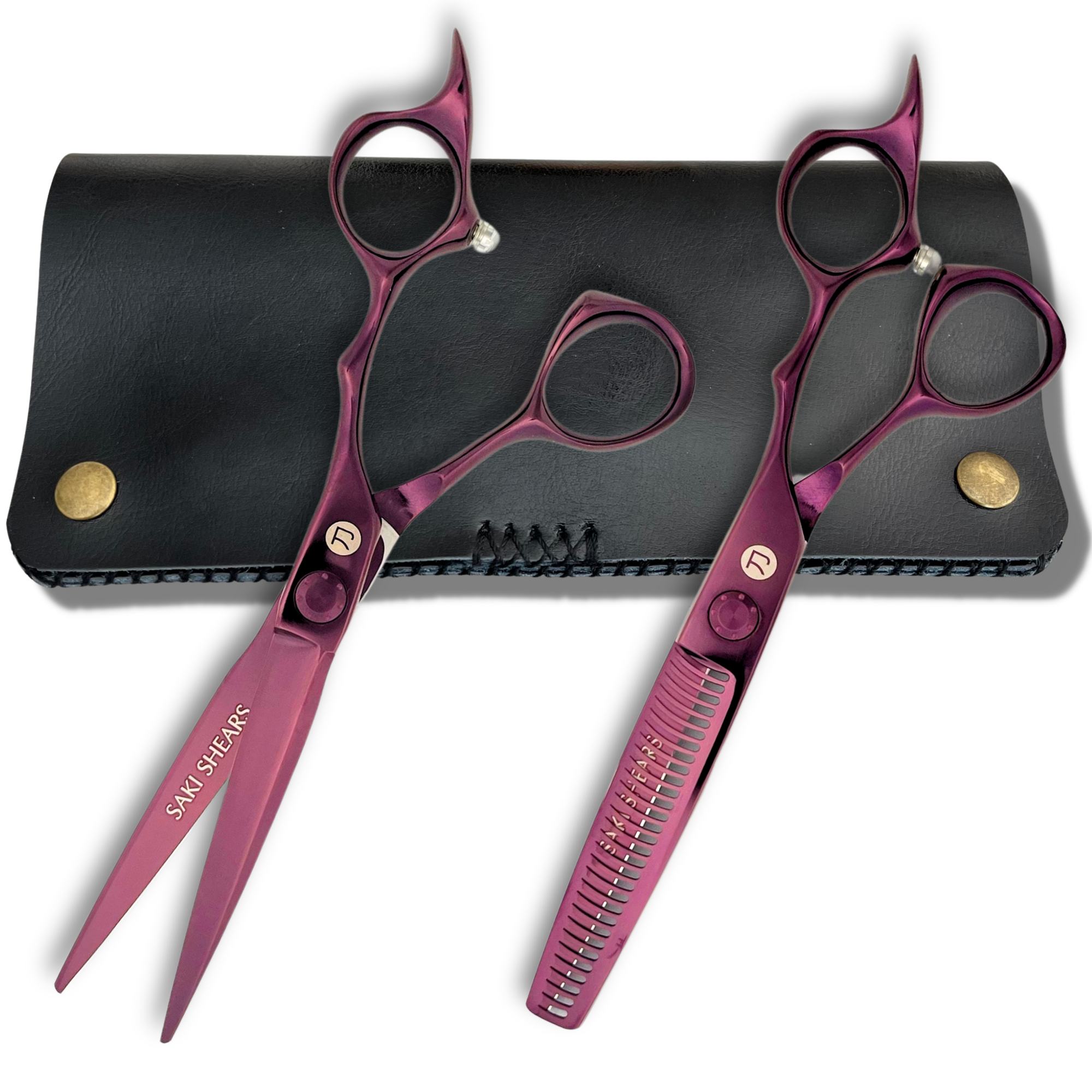
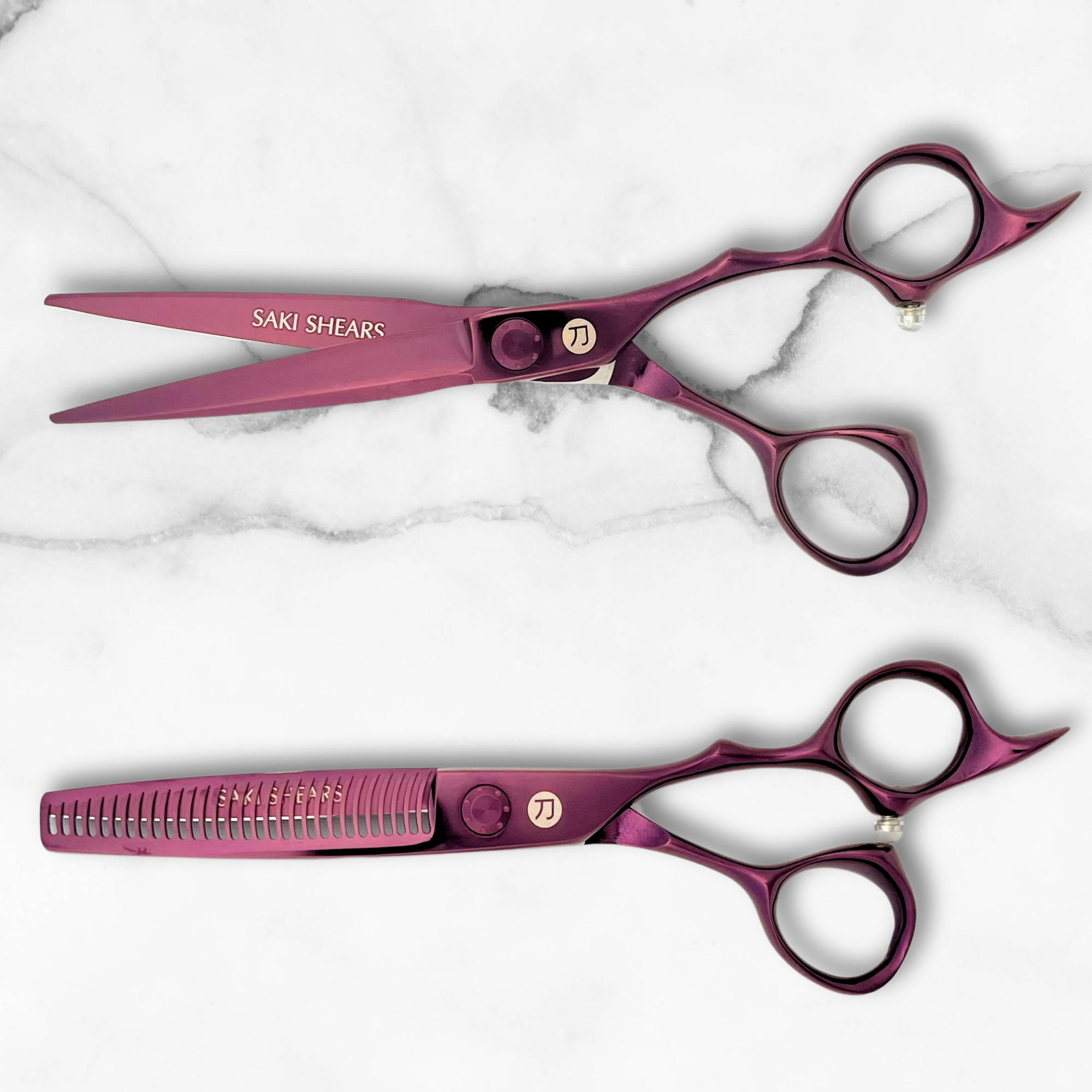
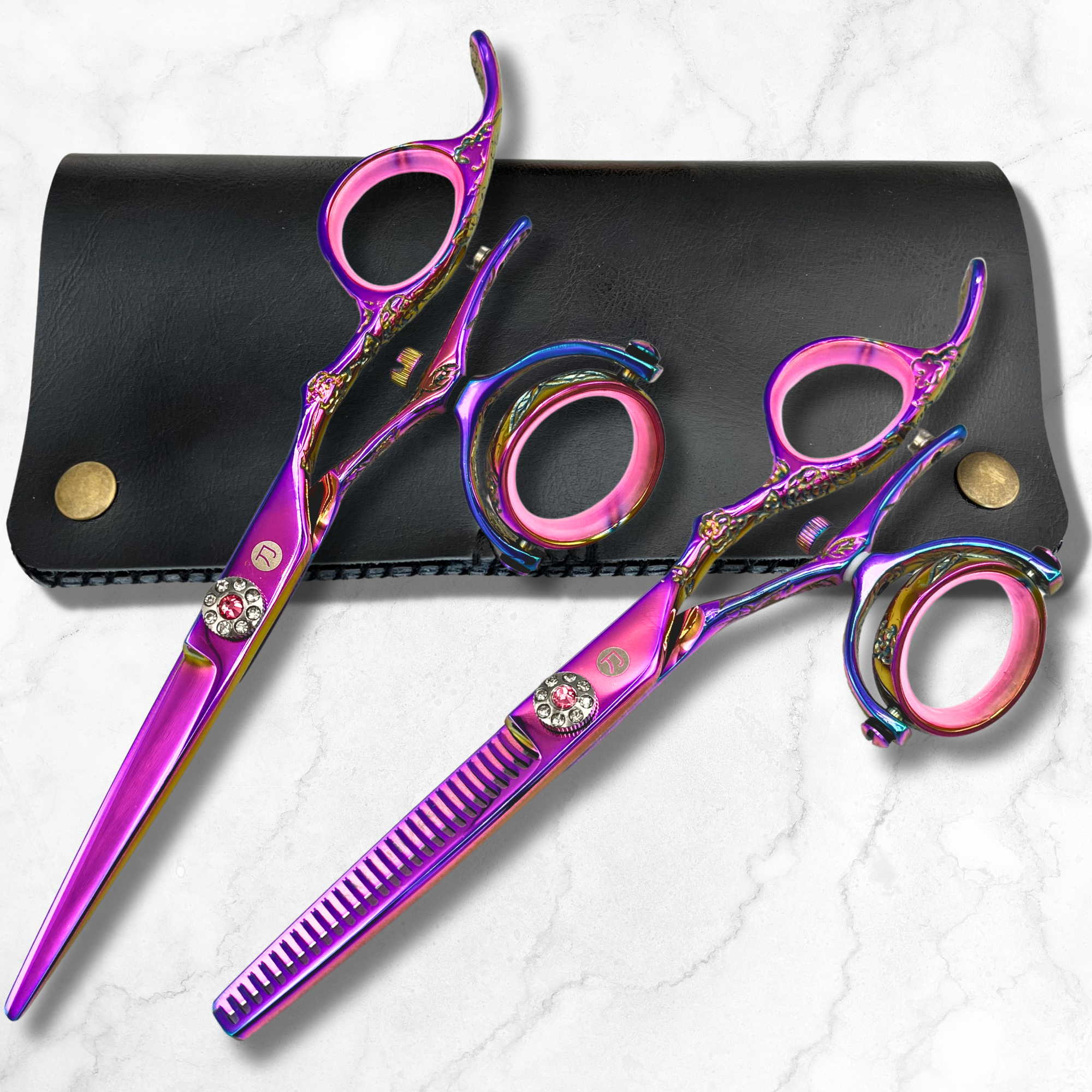
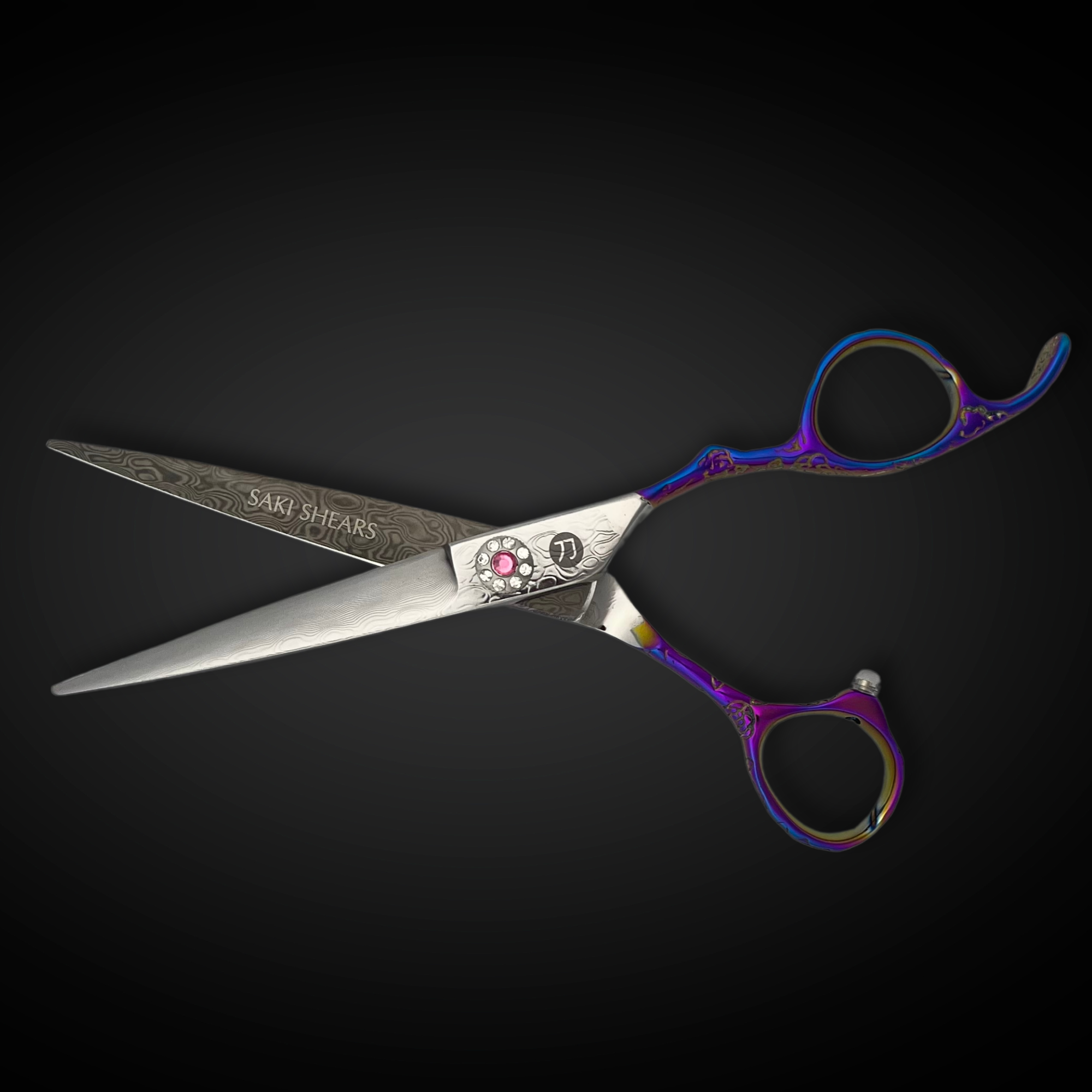
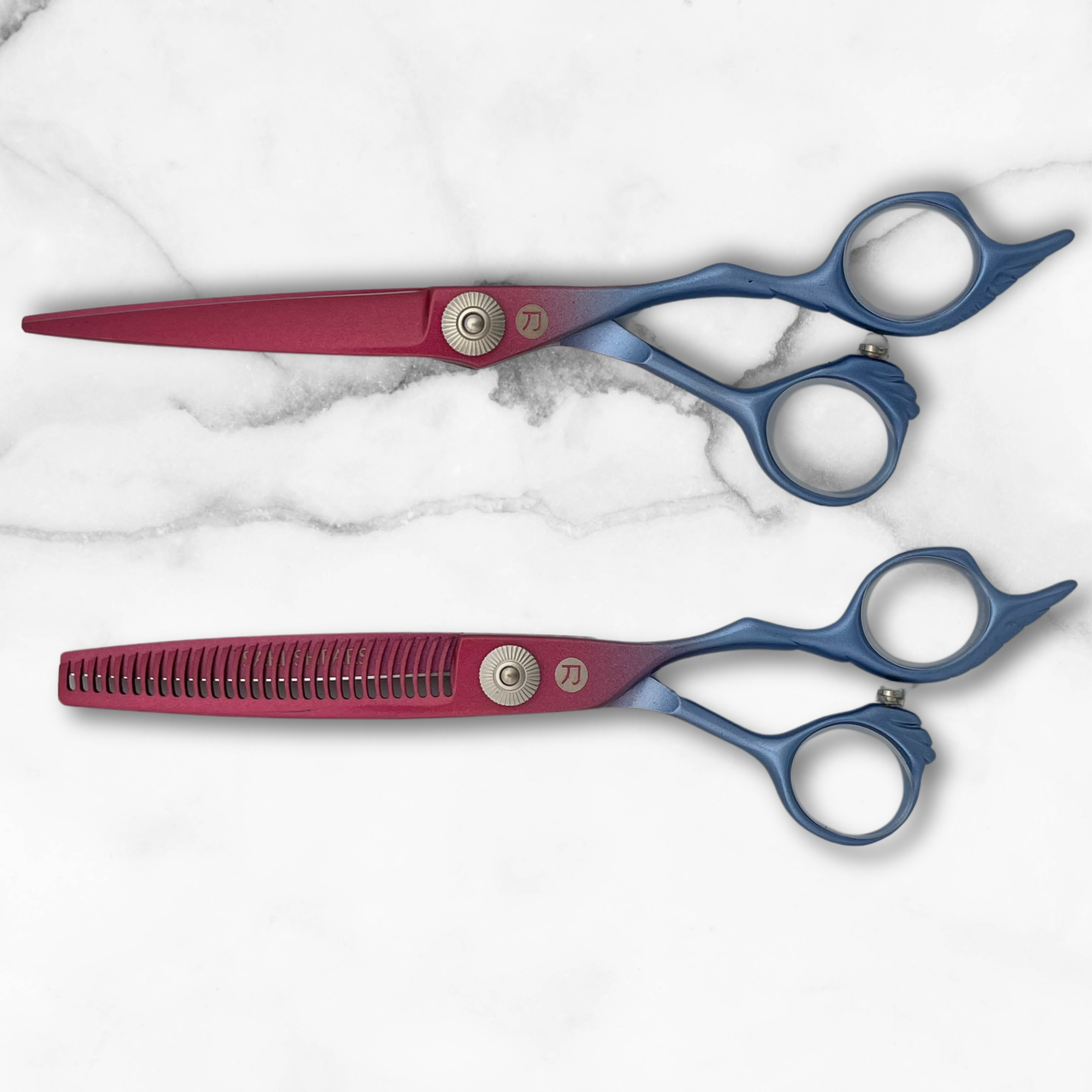
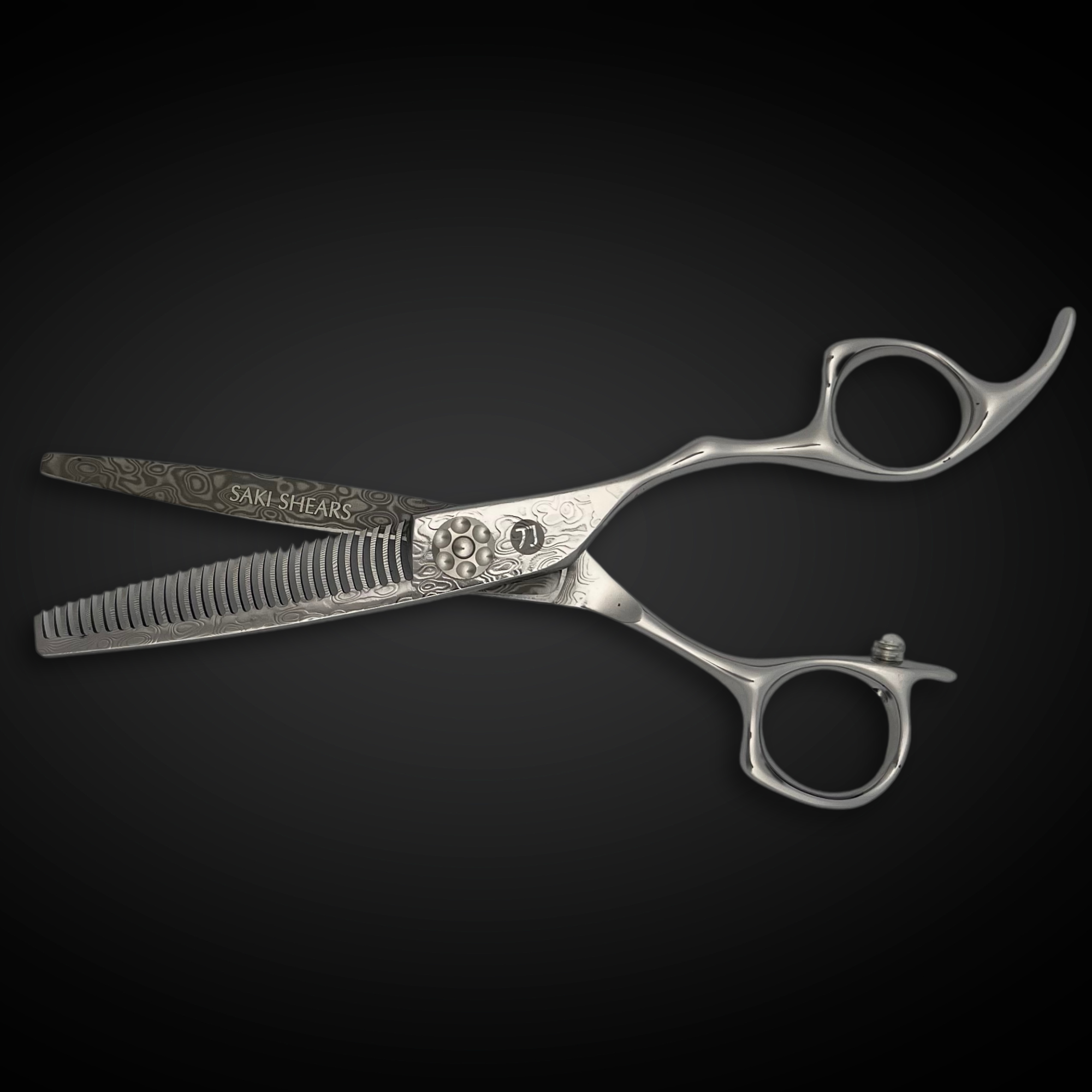
Getting licensed qualifies you to work—it doesn't automatically make you fast, confident, or booked. Stylists and barbers who build strong careers keep learning after they're licensed: seeking out mentors, taking advanced technique classes, specializing in services they enjoy, and reinvesting in the tools that make their work easier and more precise. That includes your shears. A well-balanced pair suited to your hand and cutting style will do more for your day-to-day consistency than almost anything else in your kit. When you're ready to invest, browse our full range of hair shears built for working professionals.
Licensing requirements will always vary by location, but the path is consistent: train, log your hours, test, get licensed, and keep growing from there. Check your state board's website for the exact numbers that apply to you, and build the rest of your career on the fundamentals no exam can test for—skill, consistency, and genuine care for your clients.

Written by Charles Harris