Point Cutting vs. Slide Cutting: A Layering Guide
Choosing a Cutting Method Before You Choose a Length
Layering is a technique problem before it is a length problem. The same target silhouette — face-framing pieces, mid-length layers, or a long layered cut — can be reached through different cutting methods, and the method you choose determines how the layers move, how much weight they carry, and how forgiving the cut is as it grows out. Before touching a section, decide whether the client's hair texture, density, and desired movement call for point cutting, slide cutting, or a clean blunt-then-layer approach, and whether your sections should run vertical or horizontal.
Point Cutting for Texture and Softness
Point cutting — holding the shears at an angle into the ends of a section and cutting in small, irregular increments — breaks up the hard line left by a blunt cut. It is the workhorse technique for softening face-framing pieces and blending shorter layers into longer lengths without removing significant bulk. On fine hair, keep point cuts shallow; over-pointing thin strands reads as choppy rather than textured. On coarse or thick hair, deeper point cutting removes visual weight from the perimeter while preserving length, which is useful when a client wants layers but is not ready to lose overall density.
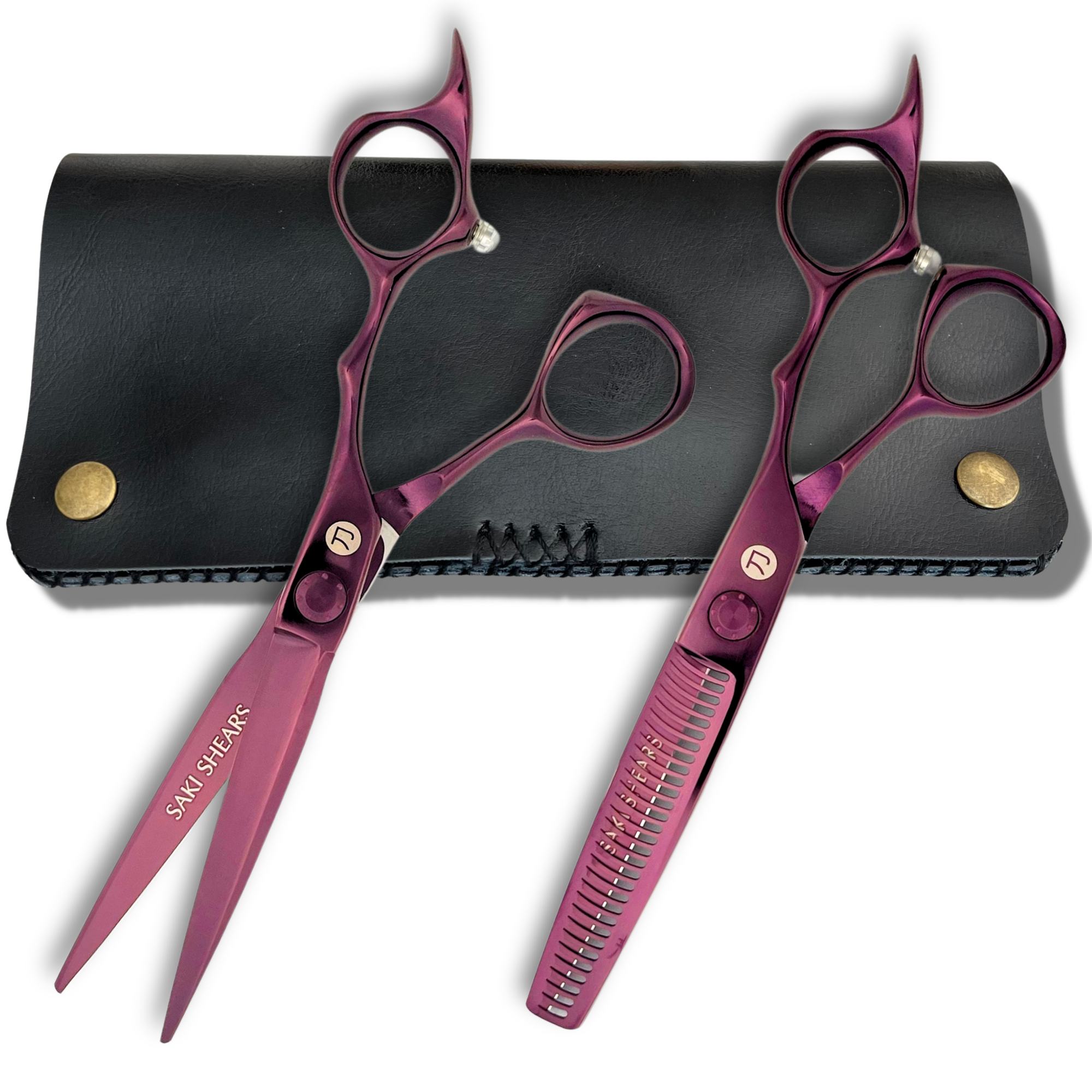
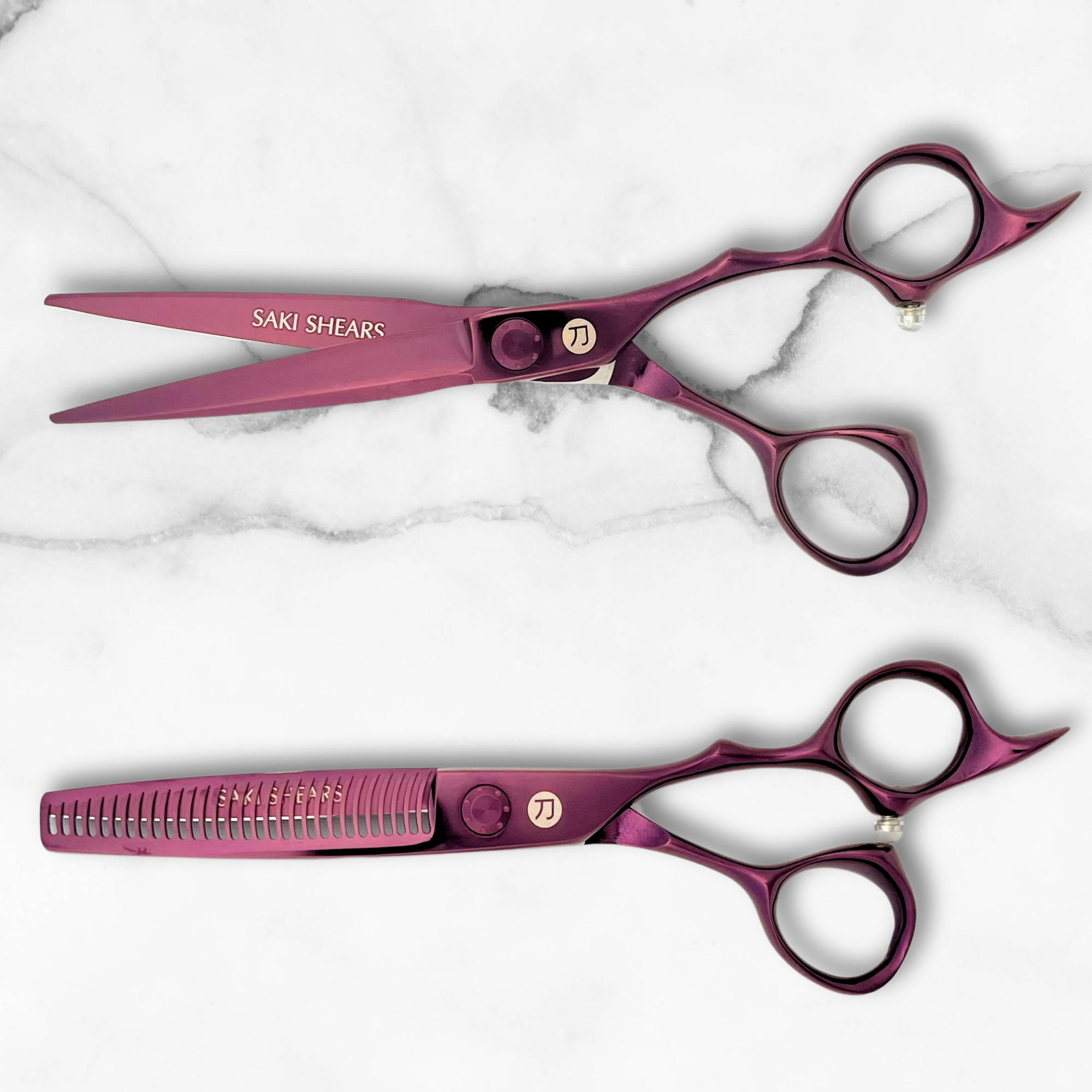
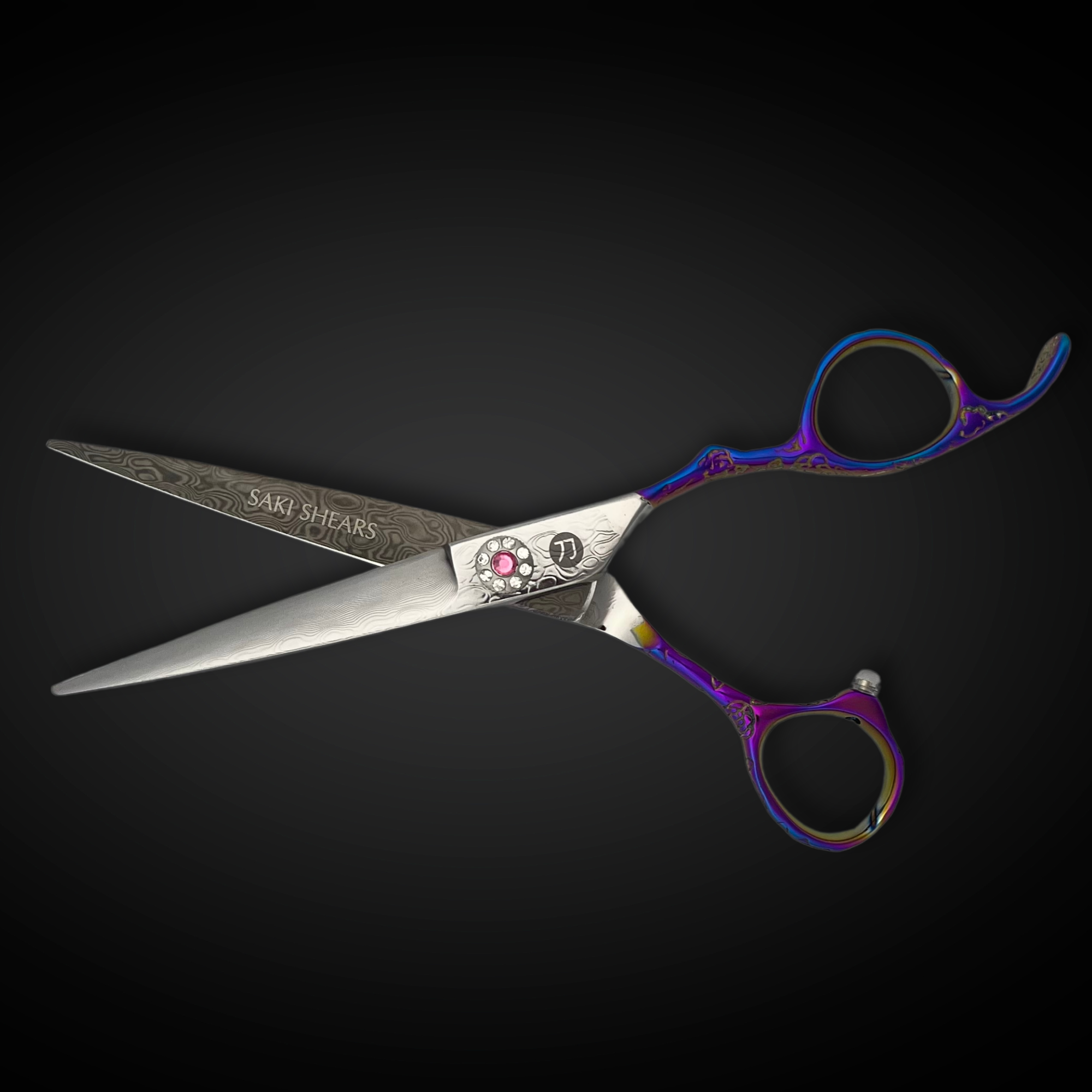
Work point cutting in small subsections no wider than the shear blade. Cutting too large a subsection at once produces uneven point distribution and visible notches once the hair falls. A sharp, precise blade matters more here than in blunt cutting, since a dull edge crushes the point rather than slicing it, leading to split ends along the exact line you just created. A well-maintained pair from our hair cutting shears collection holds a cleaner point through repeated small cuts than a shear that has gone too long between sharpenings.
Slide Cutting for Graduated Movement
Slide cutting — sliding the shears along the hair shaft while opening and closing the blades, rather than cutting in one static bite — removes length gradually and produces a soft, graduated taper. It's the better choice when the goal is long layers with minimal visible line, because the technique tapers each strand individually instead of cutting a uniform edge across the section. Slide cutting also works well over a comb, gliding the shears down the comb's edge to control how much is removed per pass.
Slide cutting demands a shear that opens and closes smoothly with even tension across the full blade, since any catch or drag interrupts the slide and leaves a stepped mark. If you're building layers on curly or coily textures, slide cutting under tension (rather than on dry, unstretched curl) tends to produce more predictable results — cut too much off unstretched curl and the rebound will leave layers shorter than planned.
Sectioning: Vertical vs. Horizontal
Sectioning direction changes how weight is distributed as much as the cutting technique itself does.
- Horizontal sectioning stacks layers in defined bands, giving you tighter control over where weight sits — useful for shorter, more structured layer patterns where the client wants clear separation between length zones.
- Vertical sectioning blends layers more seamlessly from crown to perimeter, which is why it's the standard approach for long layered cuts and face-framing work where a soft, continuous line matters more than defined steps.
- Diagonal sectioning splits the difference, and is worth using when a client's part pattern or growth direction doesn't sit cleanly with a straight vertical or horizontal guide.
For long layered haircuts specifically, vertical sections combined with slide cutting on an elevated diagonal produce the graduated, face-framing movement most clients associate with "long layers" — while horizontal sections combined with point cutting produce a more textured, piece-y result better suited to shorter or blunter layer work.
Matching Technique to Length
Short-to-medium layers generally tolerate — and often benefit from — more aggressive point cutting, since shorter hair shows texture more readily and any unevenness blends faster as the client's style is worked with product and heat tools. Long layers are less forgiving: a heavy-handed point cut on 12+ inches of hair can leave visible notching that takes weeks to grow out cleanly, which is why slide cutting or fine point work with a very sharp, thin-bladed shear is the safer approach on longer lengths.
Mixed-length work — for example, a cut that transitions from short face-framing pieces into long layers through the back — often requires switching technique mid-cut. Point cut the shorter framing pieces for texture, then transition to slide cutting through the mid-lengths and ends to keep the graduation smooth rather than stepped.
Tool Maintenance Affects Technique Outcomes
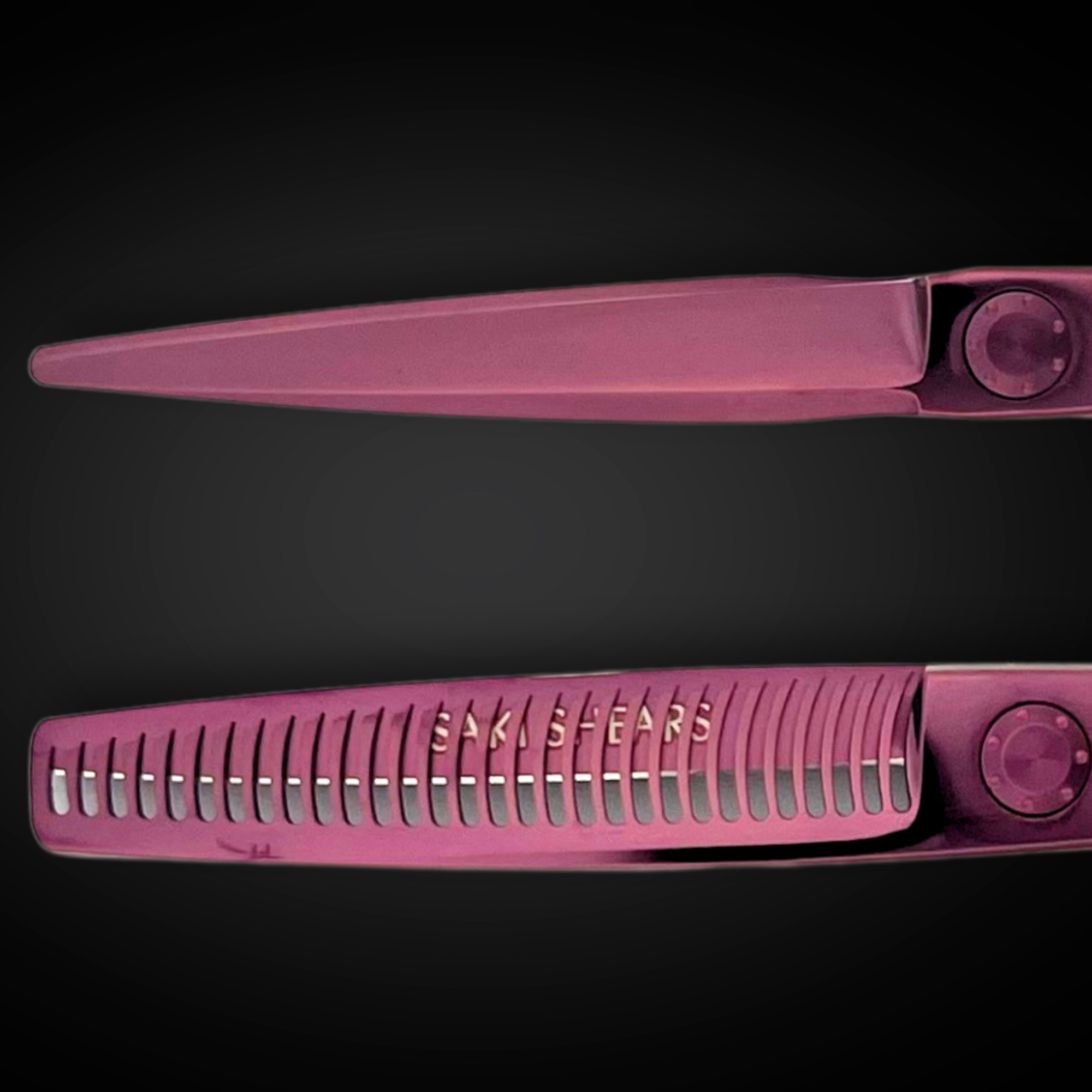
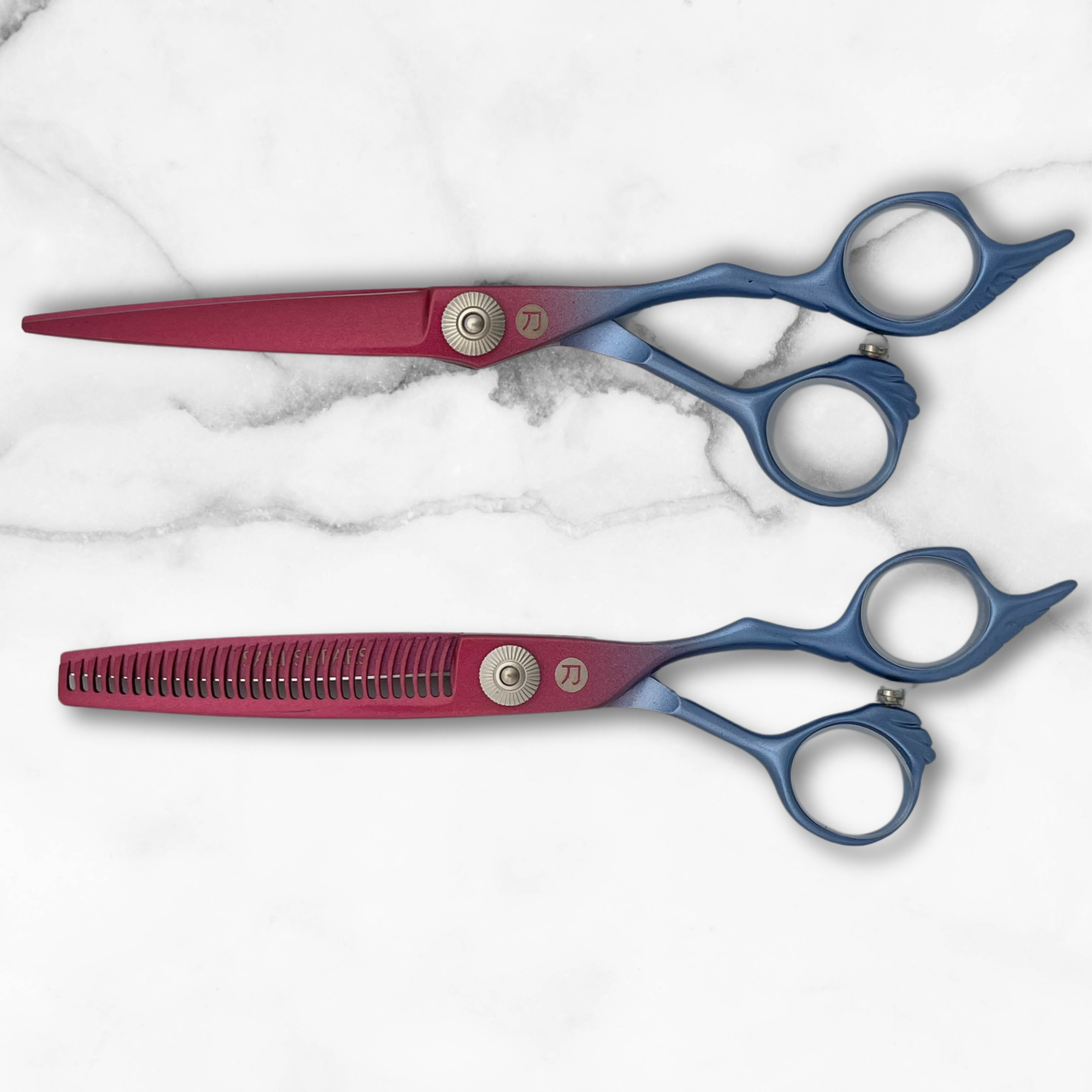
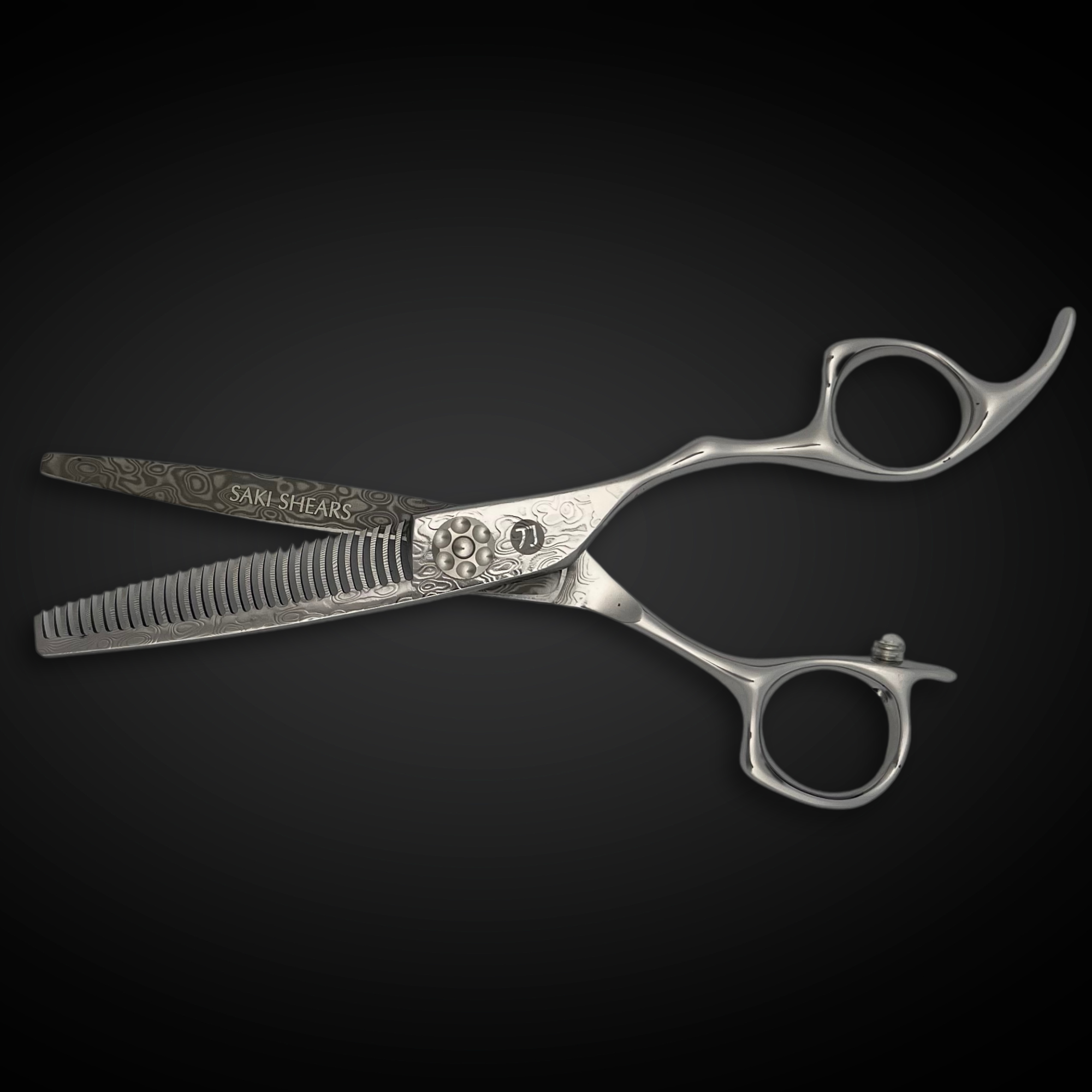
Point cutting and slide cutting both put more repeated stress on a blade edge than a single blunt cut does, since you're making dozens of small cuts per section instead of one continuous pass. A shear that's slightly dull will still produce a visible line on a blunt cut, but on point or slide work it will crush and split ends instead of cutting them cleanly — a flaw that often doesn't show up until the client washes and styles at home. If you're building a layering-heavy service menu, it's worth keeping a dedicated, well-maintained shear on hand strictly for texturizing work; browse our thinning shears and scissors collection for options built specifically for texture and blending rather than bulk removal.
Putting It Together
There is no single "correct" way to cut layers — the right combination of point cutting, slide cutting, and sectioning direction depends on the hair's texture, density, and the target length. What stays constant is the discipline of choosing method deliberately rather than defaulting to one technique for every client: assess the hair, decide how weight needs to move, pick vertical or horizontal sections accordingly, and match the cutting method to the length you're working with rather than forcing one approach across the whole head.

Von Charles Harris